Almost all of us know that the oceans of our planet are polluted, but many of us may not realize how polluted they actually are.
In fact, many statistics about that can shock and incredibly upset you, especially if you are one of the ocean lovers which we all should be
Below, we have collected 10 dirty facts about ocean pollution, in addition to ways by which you can directly participate in improving the situation that our oceans are facing and also how to encourage other people to do the same.
10 Dirty Facts about Ocean Pollution
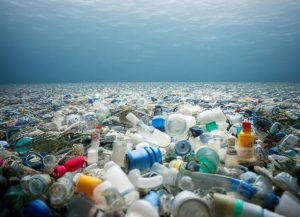
The 10 dirty facts about ocean pollution includes the following:
- A huge number of marine animals die annually from entanglement.
- The number of the pieces of plastic trash is estimated in trillions.
- The size of the ocean garbage patch is equal to the size of Texas.
- Ocean Dead Zones are created as a result of human activity.
- Plastic pollution has been found in the deepest point of the ocean.
- The quantity of the plastic in the ocean can cover the Earth 400 times.
- Many countries are usually offloading their own problems of ocean pollution to other countries.
- The biggest offender is the single-used plastic.
- Land based activity produces 80% of ocean trash.
- Rising acidity of the ocean is considered an issue, too.
A Huge Number of Marine Animals Die Annually from Entanglement
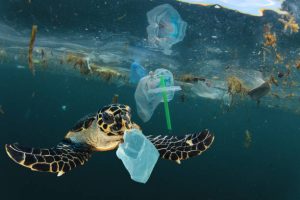
It’s estimated that plastic alone usually kills 100,000 marine creatures every year as a result of entanglement in plastic bags and fishing nets. This also can include small items such as straws as well as plastic wrap.
The Number of the Pieces of Plastic Trash is Estimated in Trillions
According to National Geographic, there are 5.25 trillion plastic items that already reside in the oceans of our planet, and if you want to put things into perspective, you should know that there are just 8 billion humans on the Earth.
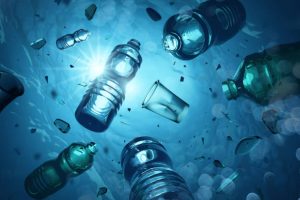
The Size of the Ocean Garbage Patch Equal to Twice the Size of Texas
The largest ocean garbage is located in the coast of California which you called the great Pacific garbage patch. This is due to the ocean currents, as they create a continuous vertex leading to accumulating litter in this 1,200 miles stretch of the ocean. If you can’t imagine how large it is, try to picture Texas (a US state) and double its size.
Ocean Dead Zones are Created as a Result of Human Activity
Ocean dead zones, which are usually called hypoxic areas, are places in the ocean which have very low levels of oxygen and in turn almost all life forms can’t survive there.
Although these zones can occur naturally, human activity, especially nutrient pollution has resulted in more areas that have the same deadly conditions.
Plastic Pollution has been Found in the Deepest Point of the Ocean
Mariana trench, which contains the deepest point of the ocean reaching 11.034 meters in depths, isn’t protected from ocean pollution. Some researchers have tested crustaceans in Mariana Trench and make sure that they have ingested plastic.
The Quantity of Plastic in the Ocean Can Cover the Earth 400 Times
Researchers have found that the Earth, which has a radius of 6317 kilometers, could be covered 4 hundred times with the plastic that is found within the oceans of the planet.
Many Countries are usually Offloading their Own Problems of Ocean Pollution to other Countries
Actually, no country is exempted from ocean pollution, but what makes things worse is that many countries are usually offloading their marine trash to other countries.
That unfortunately means that the amount of ocean garbage isn’t only increasing but also being transported across the world.
The Biggest Offender is the Single-used Plastic
Actually, the most type of plastic that has been found in the oceans is the single used ones ,including items such as takeaway cups, plastic silverware and straws.
Land Based Activity Produces 80% of Ocean Trash
If you are thinking that fishing and water activities polluting the waterways are the biggest problems that cause the majority of ocean pollution, then you are wrong.
Only 20% of marine trash is actually from fishing and ocean activities, the other 80% is usually from land-based human activities such as littering and food industries.
Rising in Acidity of the Ocean is Considered an Issue, too
Many people don’t usually associate air pollution with ocean pollution, however the two subjects go hand-in-hand. One of the main causes of air pollution is fossil fowles and the emissions that are released into the atmosphere.
Carbon emission specifically can affect the pH level of the surface of the ocean and contribute to Ocean acidification.
How Can We Reverse Ocean Pollution
If you want an effective way to help to reverse ocean pollution, becoming an ambassador for the oceans is the best choice. By learning scuba diving, you will come into contact with the fascinating underwater World and that will make you able not only to see the effects of pollution on marine life but also act on them.
When you share your experiences this also creates more ocean lovers ready to take actions for the hidden world they love. Book your PADI Open Water course from Drar diving Center now.
What Can You Do as a Diver?
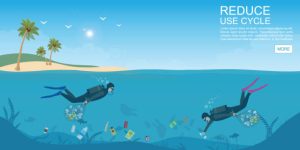
When you become a certified diver, you then have endless ways to help compete ocean pollution above and below the surface, including:
- Participating in Dives Against Debris.
- Educate family and friends about ocean pollution.
- Share your experiences and encourage other people to learn how to dive.
- Becoming a torchbearer for our oceans.
- Becoming a Dive Against Debris Speciality Instructor.
We all need to face the reality that our oceans need our help. This will not only change your own life but the lives of marine creatures as well as future generations. It’s time to act now.