Now you have your certificate as an open-water diver, You’re craving more adventures? Want to enhance and master your level? Want to plunge deeper into the vast realm of the underwater world? New and many chapters are waiting for you introduced by The Professional Association of Diving Instructors (PADI). PADI furnishes you with a wide range of specialized courses that lift up you from an open-water diver to a professional enthusiast. We’ll delve into the charm of the “10 Must-Try PADI Specialties After Taking the Open Water Diver Course” in this article.
1. Advanced Open Water Diver (AOWD):
After obtaining your Open Water certification, the Advanced Open Water Diver (AOWD) course makes sense. With the contribution of a PADI instructor, it allows you to advance your diving abilities. There are five adventure dives in the AOWD course, involving deep diving and underwater navigation. This specialization qualifies you for more challenging journeys by exposing you to different situations and difficulties.
2. Enriched Air Diver (Nitrox):
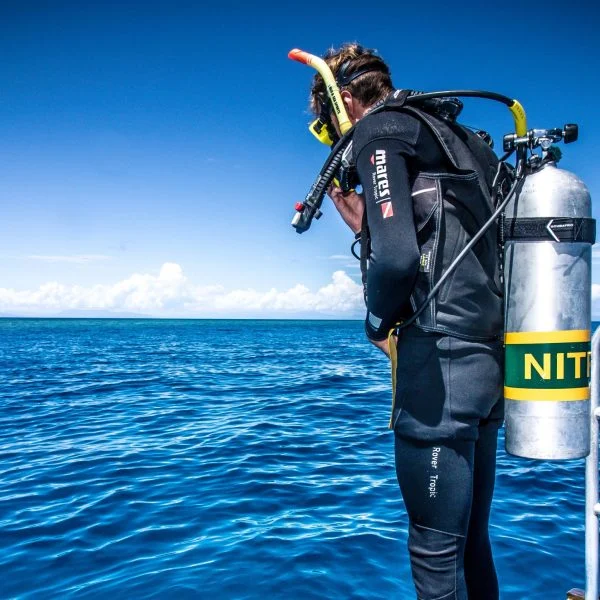
Breathing gas with a more extensive percentage of oxygen than regular air is called enriched air, or nitrox. You may expand your no-decompression limitations and lessen post-dive tiredness by learning how to use nitrox safely with the Enriched Air Diver specialization. Those who are interested in long diving excursions or numerous dives in a single day may find this specialism especially helpful.
3. Peak Performance Buoyancy:
For every diver, achieving accurate buoyancy control is essential. Your buoyancy abilities will improve with the Peak Performance Buoyancy specialization, enabling you to make more elegant and effective underwater maneuvers. Maintaining proper buoyancy control reduces your influence on the aquatic environment while also improving safety.
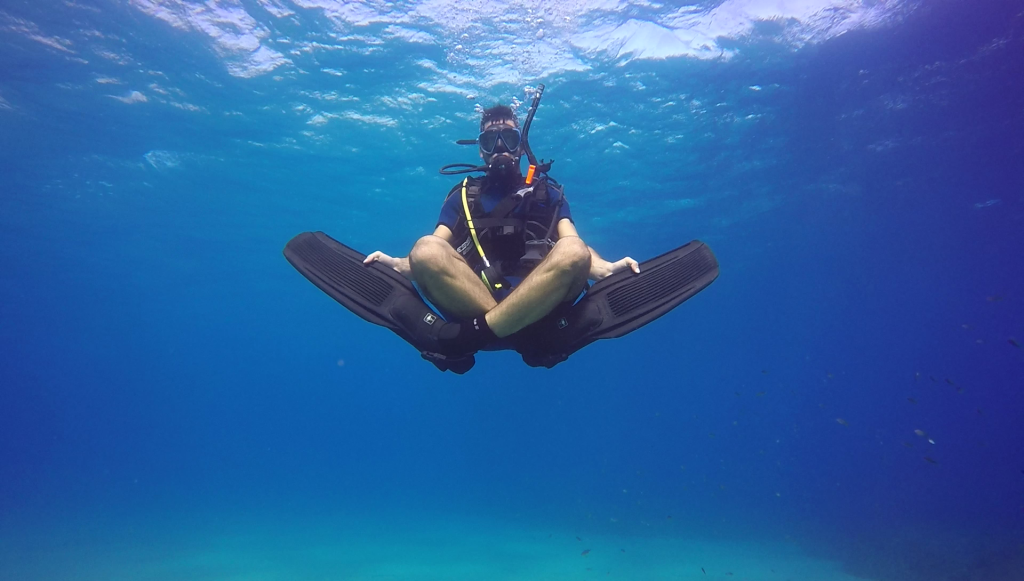
4. Underwater Navigation:
It can be difficult to navigate underwater, particularly as you explore increasingly intricate dive areas. You may learn sophisticated navigational skills, such as using a compass and natural navigation, by specializing in underwater navigation. Gaining proficiency in underwater navigation boosts your self-assurance and opens up more dive destinations for you to discover.
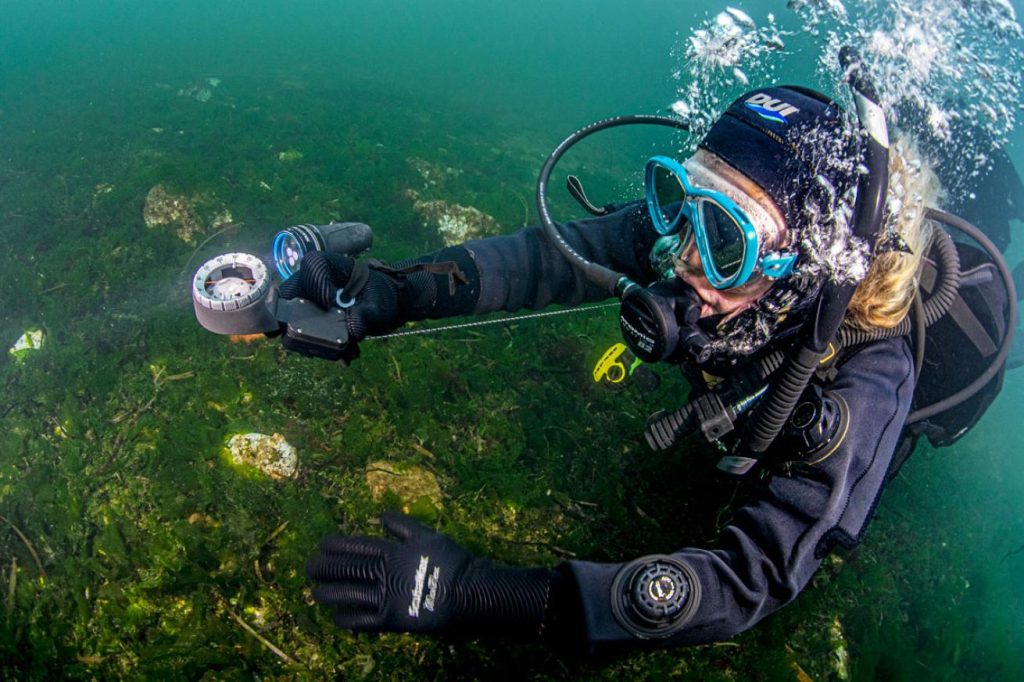
5. Deep Diver:
Diving further reveals an additional aspect of the undersea environment. You can explore depths beyond the standard recreational diving restriction of 18 meters (60 feet) with a Deep Diver specialist certification. You will obtain the knowledge and abilities necessary to properly organize and carry out dives to depths of up to 40 meters (130 feet) with this specialization. You will also study about the physiological implications of deep diving.
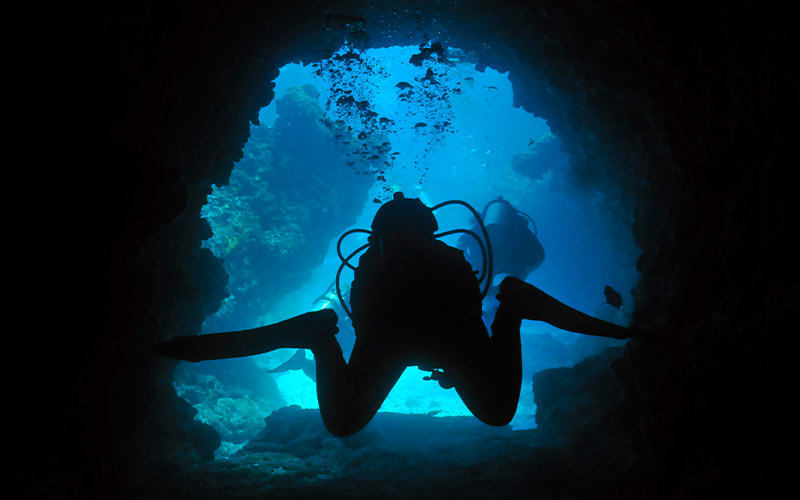
6. Wreck Diver:
Offering a window into the past and the marine environment, wrecks are amazing underwater sights. The expertise required to safely investigate wrecks is provided by the Wreck Diver specialization. You will gain knowledge about how to enter wrecks, navigate around them, and utilize equipment safely in these unusual settings.
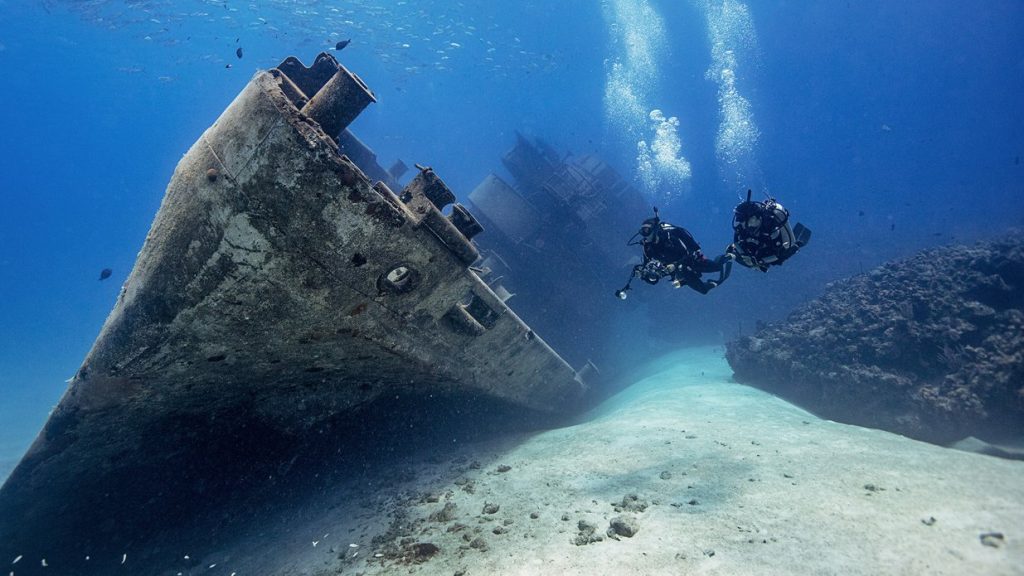
7. Night Diver:
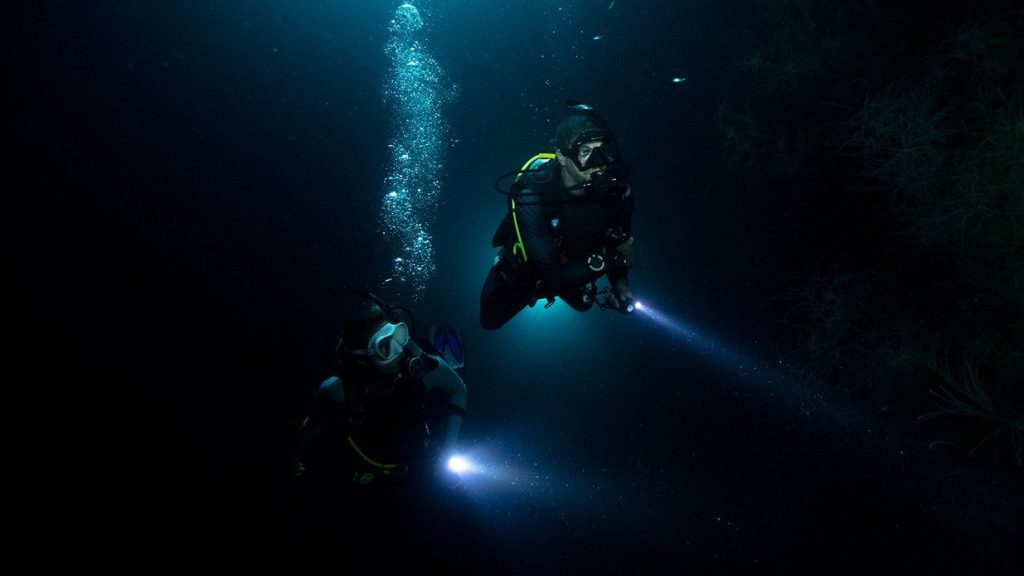
There is an entirely new world of marine life and experiences while diving at night. You may learn how to organize and carry out night dives safely with the Night Diver specialty. You will improve your general diving skill set by learning about the nighttime activities of underwater species and how to navigate in poor light.
8. Underwater Photography:
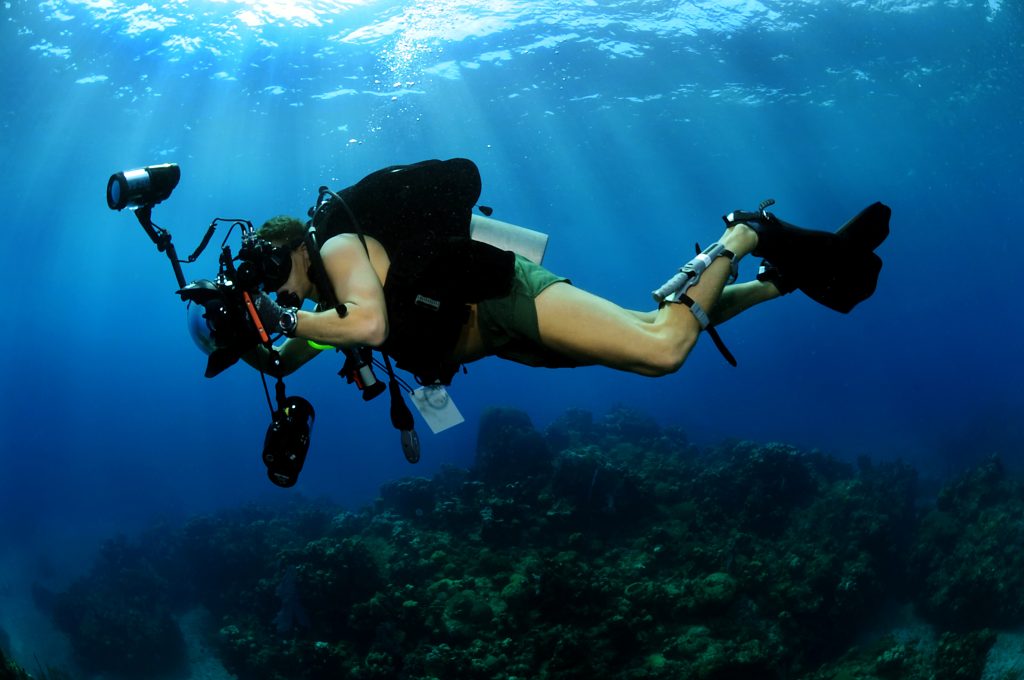
Use the specialization in underwater photography to capture the majesty of the undersea environment. The fundamentals of lighting, composition, and equipment for underwater photography are covered in this course. You may record and share your underwater adventures with this expertise, regardless of whether you’re using a more sophisticated gear or a tiny camera.
9. Drift Diver:
Currents may transform a dive into an exciting drift at many dive locations. You may learn how to properly handle and enjoy drift dives with the Drift Diver specialization. Drift around breathtaking underwater scenery while learning about various current kinds, appropriate dive planning, and methods for maintaining contact with your dive party.
10. Search and Recovery Diver:
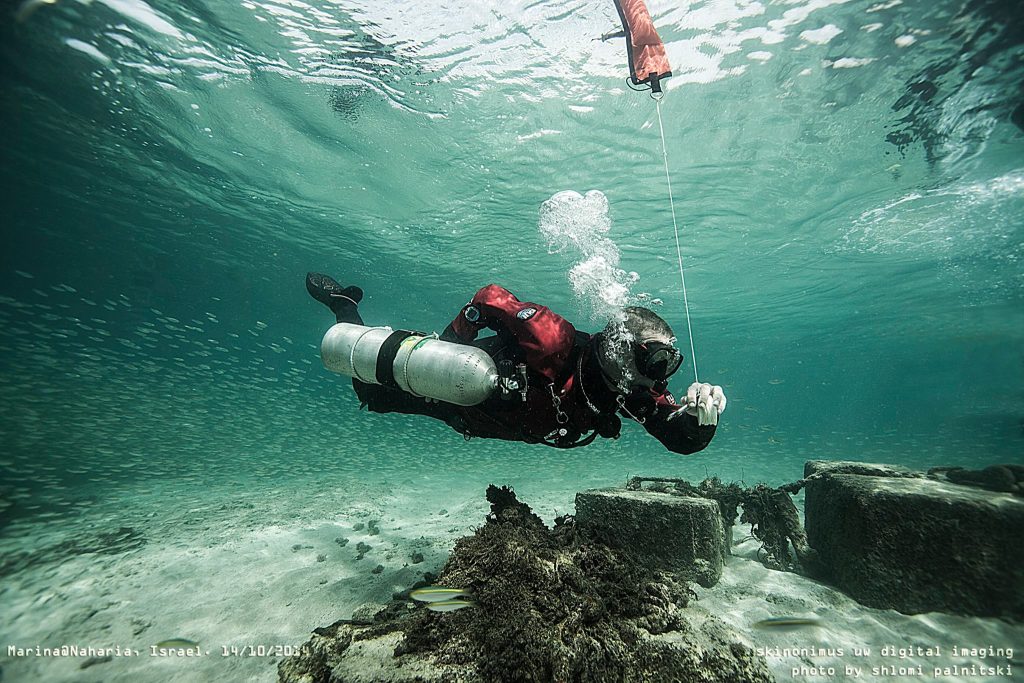
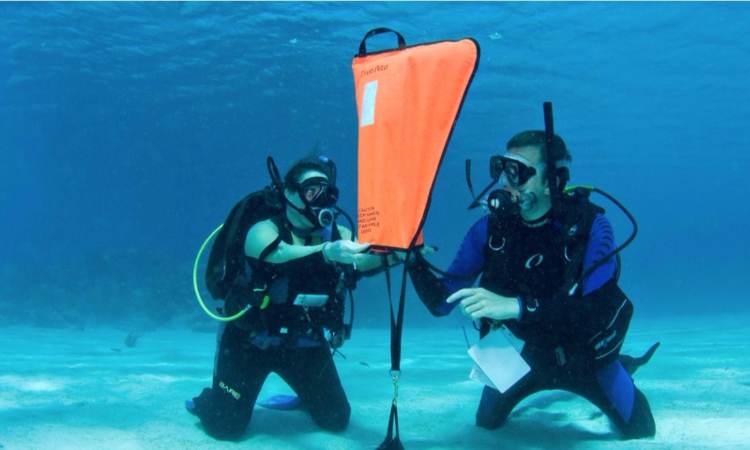
Any diver would find it useful to know how to retrieve lost things and perform efficient underwater searches. You will learn about search patterns, how to use lift bags, and recovery procedures with the Search and Recovery Diver specialization. This specialization enhances your diving experiences with a dash of adventure in addition to practicality.
After completing your Open Water Diver course, diving deeper into the aquatic world with PADI specialties is a wonderful experience. Every specialization offers distinct perspectives and abilities that further your development as a diver. Whether you want to learn buoyancy control, explore wrecks, or take photos of amazing underwater sceneries, PADI specialties provide a route to becoming a competent and self-assured diver. Select the specializations that correspond with your objectives and areas of interest, then relish the ongoing journey beneath the sea. Happy and safe diving!