


Diving at underwater places exposes divers to different hazards, one of them being entangled in fishing lines, kelp, or other debris. A diver critical dive tool is a good solid dive knife or cutting tool; it’s not just an accessory, it’s equipment for safety. Materials and corrosion-resistant metals would really matter in these tools’ performance and durability under rough underwater conditions. Here’s some advice for divers on how to choose their tools.
Why Shades and Diving Tools Are Indispensable
While entanglement can happen in thick kelp forests or deserted fishing gear, it may occur at any time. A dive knife or cutting tool can help divers:
Free oneself or their buddy from entanglements.
Cut lines, nets, or any other physical obstruction during a dive.
Signal or tap on a tank in case of emergency.
With that in mind, the most important feature that should drive the choice of a dive knife or tool is that it should be effective and durable.
Strength and Durability Materials
It is the material of a dive knife or tool that determines its wear, cutting ability, and relative ease of maintenance. The common materials include:
1. Stainless Steel
Stainless steel is commonly used in dive knives because of its temperate balance between strength and sharpness accompanied by a high resistance to corrosion. But, as with anything, not all stainless steel is equal. Here’s an example of two grades often used:
- 304 Stainless Steel:
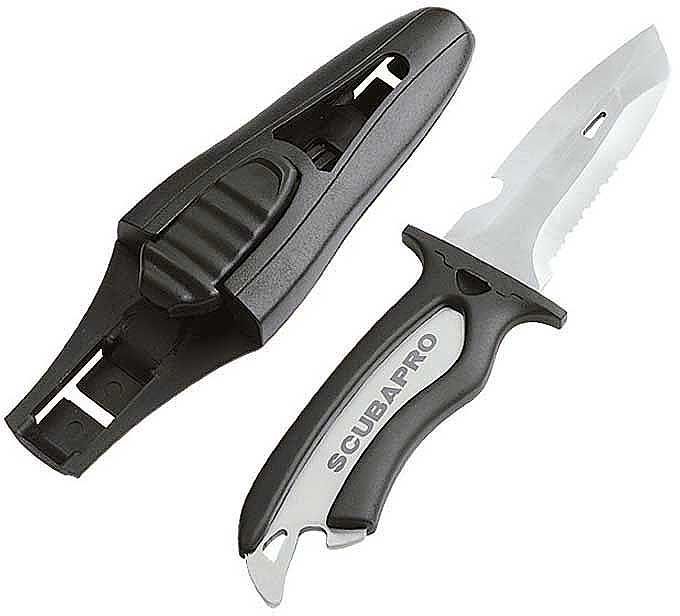
Pros: Good corrosion resistance, low price.
Cons: Needs frequent maintenance to avoid rust spots.
- 316 Stainless Steel (Marine Grade):
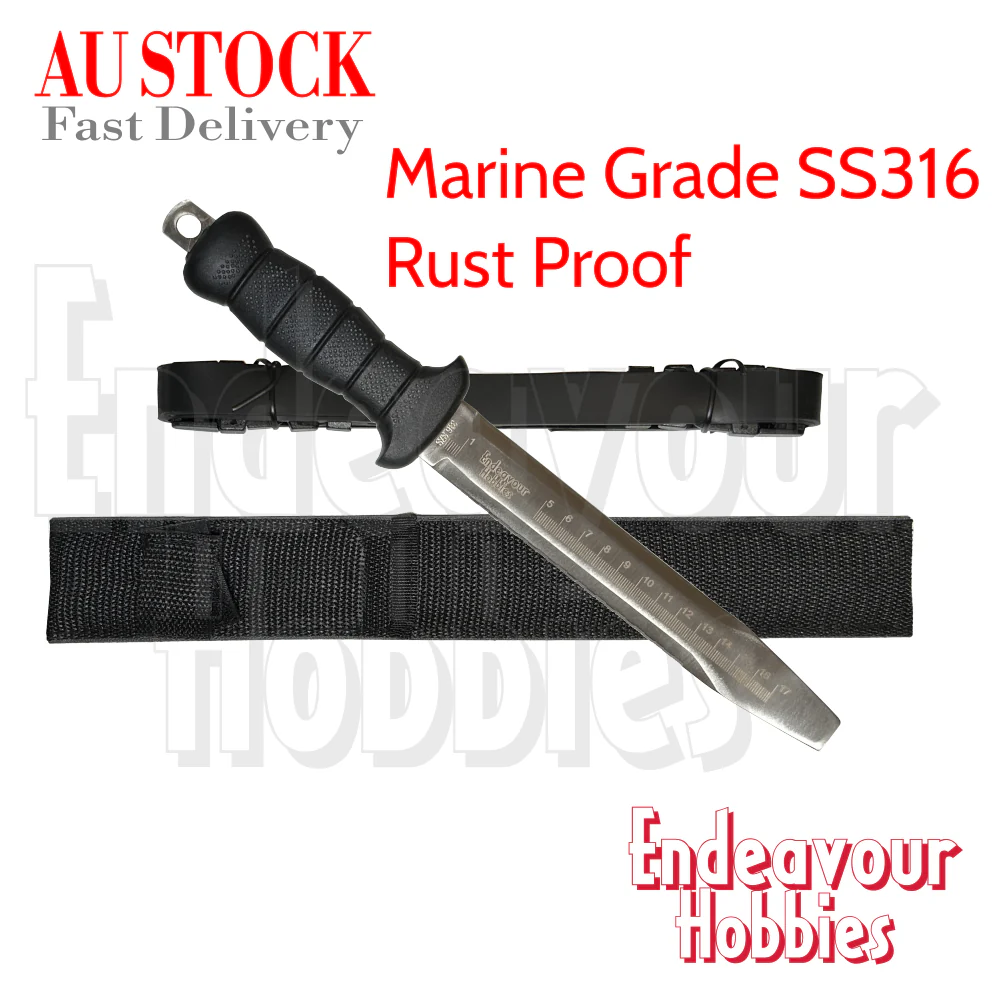
Pros: Ultra corrosion resistant, beyond excellent for saltwater conditions.
Cons: Less hard than 304, may need to sharpen more often.
2. Titanium
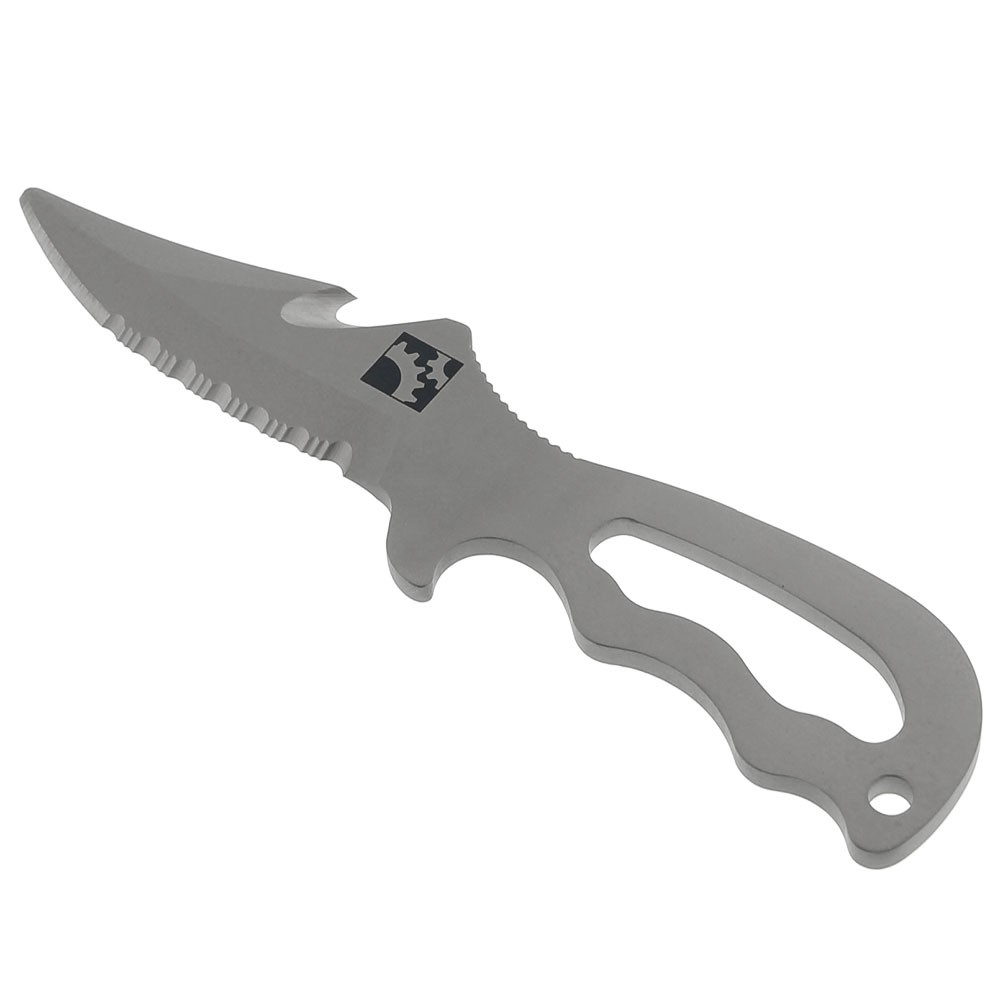
The titanium blades are the ones that are purely found to be covered with excellent corrosion resistance and lightness.
Pros:
- No rust and corrosion attack even in saltwater.
- Very light and has high strength.
- Very low maintenance.
Cons:
- More expensive than stainless steel.
- Harder to sharpen.
3. Ceramic
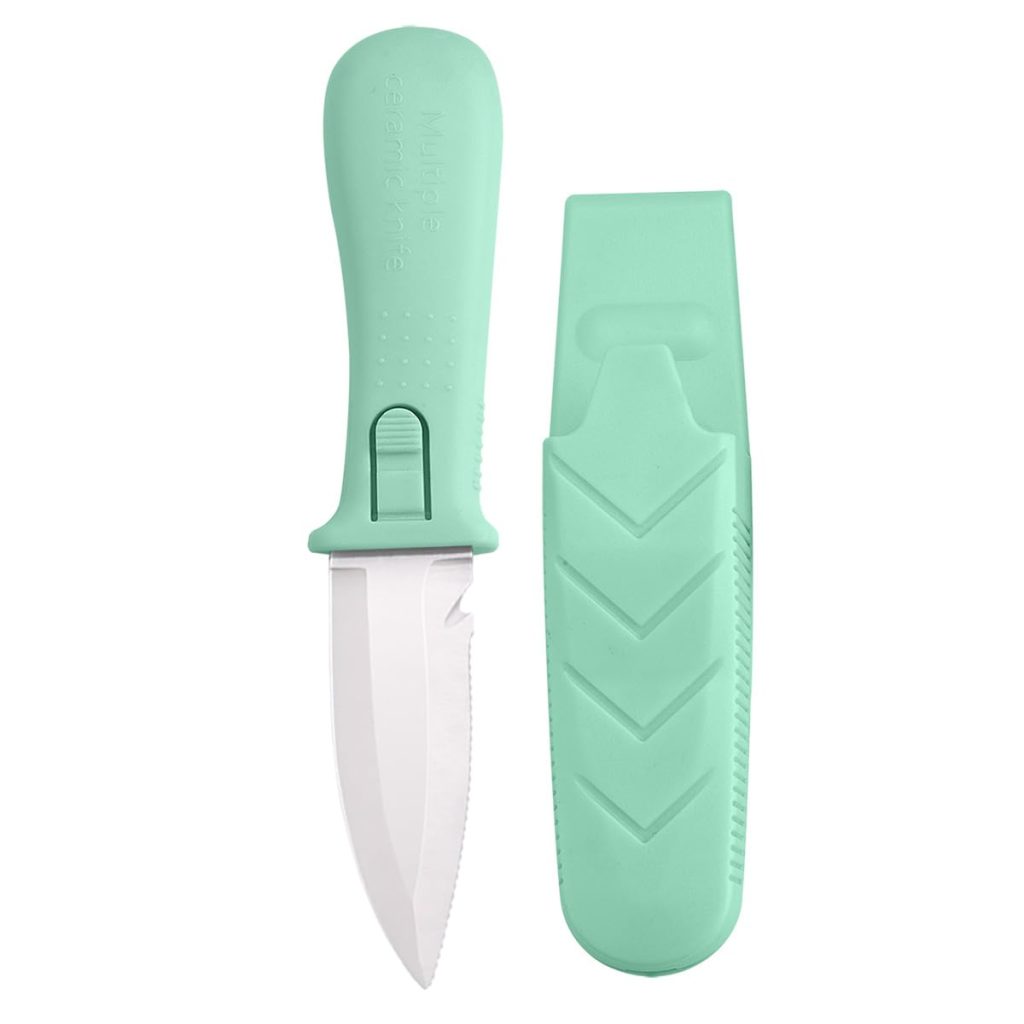
Ceramic blades represent a cutting-edge less popular category of cutting tools.
Pros:
- Rustproof and sharpest ever.
- Lightweight.
Cons:
- This is brittle and chips or breaks easily.
- Not versatile as compared to metal blades.
- Corrosion Resistance: Extending Tool Life
Diving equipment and apparatuses are always subject to harsh and rugged conditions like saltwater and sand. It is on corrosion resistance that these tools will last long for use. Some considerations that add longevity include:
Coatings and Finishes
Many dive knives have been finished to improve their corrosion resistance. Common finishes are:
Teflon or PVD coatings: Protective light layer for resisting rust and scratches.
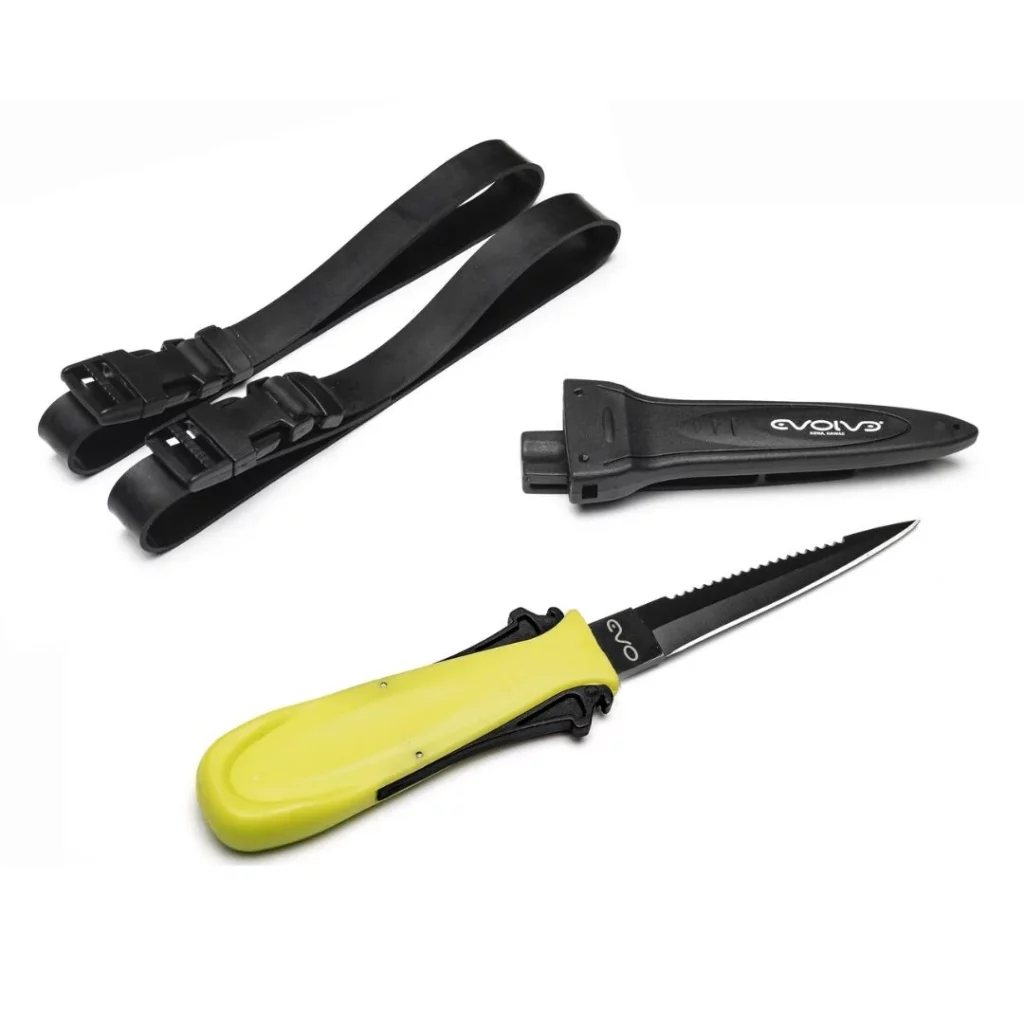
Polished Finishes: Reducing surface area for corrosion and easier cleaning.
Proper Maintenance
Even the best materials will need a little care from time to time in order to keep their performance:
Rinse after every dive: Washing fresh water over the knife would get rid of salt debris.
Dry thoroughly: Leaving no moisture on the blade or handle.
Apply lubricant: Using a silicone-based lubricant will protect metal parts.
Conduct frequent checks: Look for signs of corrosion or wear and attend to them.
Features that are considered for purchasing
For example: a knife or cutting tool from diving, see below features:
Blade Type:
ads a sharp edge which provides clean cuts.
Cutting Ropes: the serrated edges are used to cut tougher materials like ropes.
for its different usages: within combination blades.
Size: small knives are easier to handle and store; however large knives to bigger in cut capacity.
Sheath Design: A good sheath is one that secures the knife and can also bring about easier access to it when needed.
Material Handle: The grips should be non-slippery which are usually made of rubber or textured plastic materials which makes them safe to use and gives maximum use.
Tip Style:
Pointed tips are those made for precision cutting.
Blunt tips are for prying and digging activities without the risk of puncturing other things accidentally.
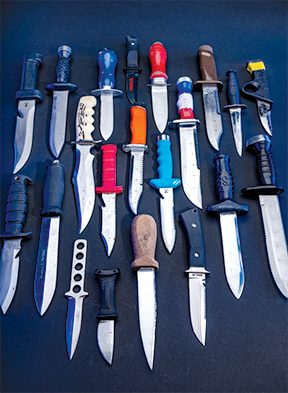
Other Popular Tools Aside from knives
Divers also go ‘beyond knives’ to consider other kinds of cutting accessories
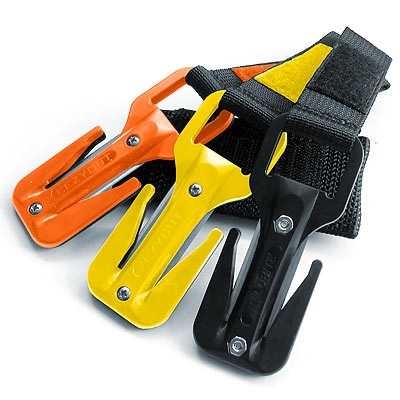
Line cutter: These are small and safe devices that can cut fishing lines.
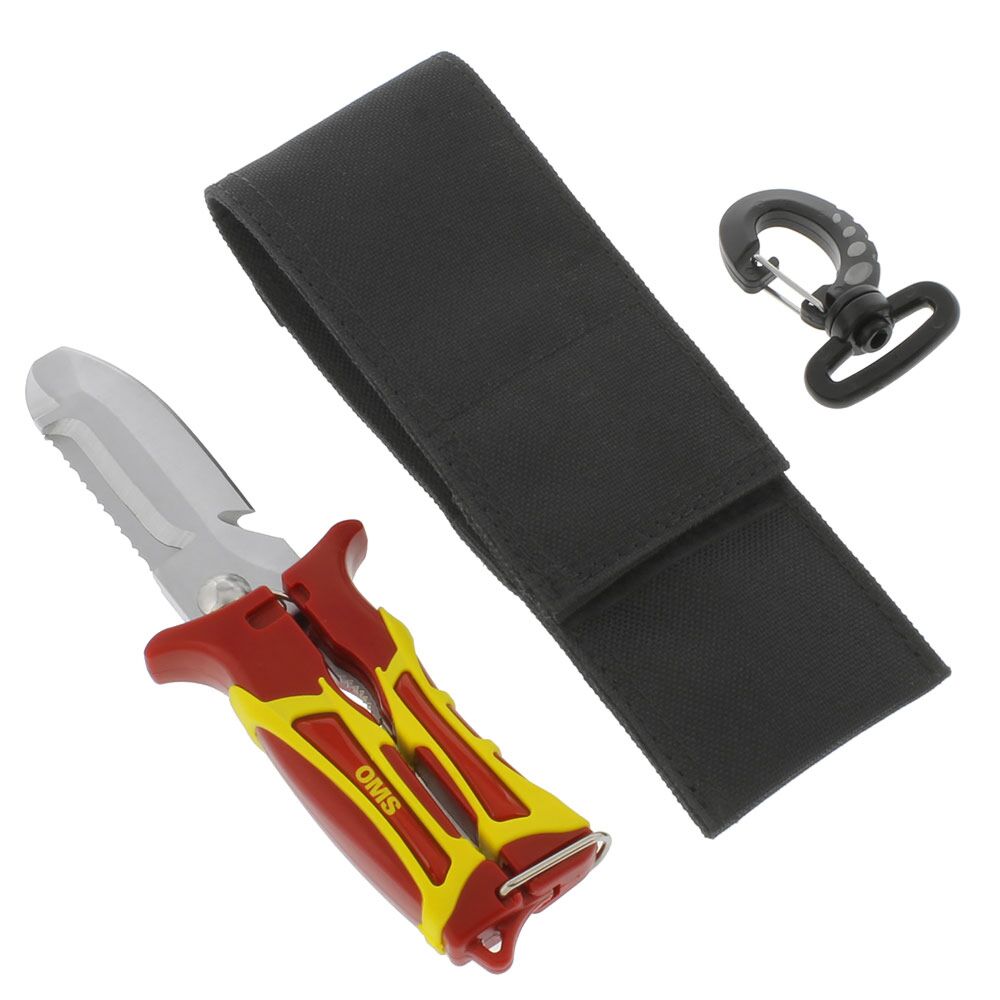
Shears: Can cut through netting and other thicker materials.
Z-Knives: These are lightweight and easy to operate for quickly cutting lines.
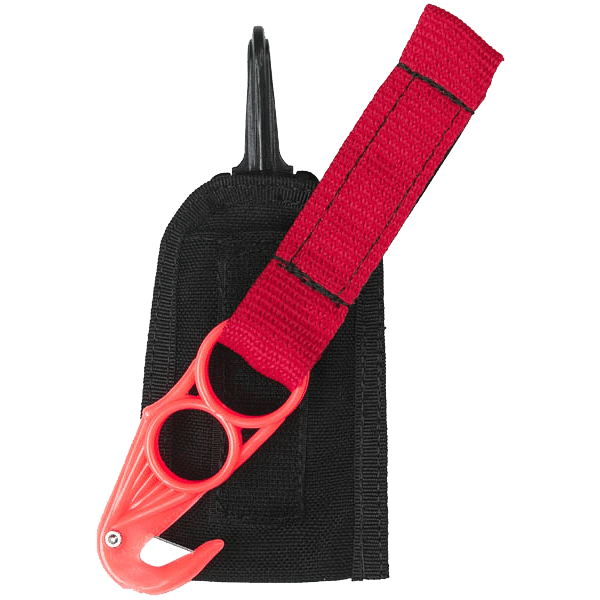
A dive knife or cutting tool is compulsory equipment for a diver. By understanding the materials, corrosion resistance, and subsequent maintenance requirements, a diver can select the appropriate tools to perform well in crucial situations. Investing in the right tool and looking after it ensures safety and durability, resulting in a safer and more enjoyable experience with every dive.


