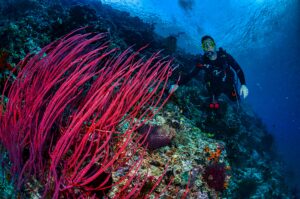
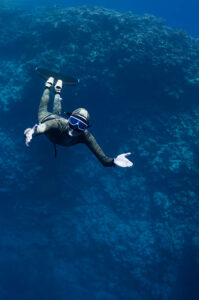
We can say that the ocean is regarded as a playground. And as scuba divers, we have a choice: either to simply admire, or to actively protect.
In this guide, we will give you some practical tips to be a more sustainable diver. Ready to become a steward of the sea? Let’s try to make a difference.
Tips to Be a More Sustainable Diver
Every dive is a chance to protect the underwater world. Becoming a more sustainable diver isn’t just about gear choices, it’s about small, intentional actions that preserve fragile marine ecosystems for future generations.
Let’s explore simple yet powerful ways to dive with care.
- Limit your personal plastic usage.
- Participate in beach clean ups.
- Use reef safe sunscreen.
- Check your buoyancy.
- Dive locally to minimize your carbon footprint.
- Choose sustainable seafood.
- Pack it out.
- Continue Learning about Sustainability.
- Spread the Message.
Limit Your Personal Plastic Usage
As scuba divers, we’re aware of the threat of plastic pollution to our marine environment. Ensure not to be a part of this problem by reducing your own personal plastic use and use any other accessible safe option instead.
Participate in Beach Clean Ups
While trying to minimize plastic use in your own life, it’s one of your responsibilities to clean up the plastic that exists in the sea. You can find groups nearby that clean up beaches or simply start your own if there aren’t any.
PADI and Project Aware regularly set events named “Dive Against Debris” in which divers get together to collect trash while scuba diving. You can also “dive against debris” by yourself by carrying a mesh bag with you.
Use Reef Safe Sunscreen
Today, on the market, you can find sunscreens that contain chemicals which are toxic to coral reefs, even with small concentrations. When you shift to reef-safe sunscreen, this can have a positive effect on coral reefs.
When you choose a sunscreen, read the ingredients first. A good reef-safe sunscreen shouldn’t contain any chemical UV-filters, such as oxybenzone, octisalate, avobenzone, octinoxate, homosalate, or octocrylene. It is recommended to wear UV-protective clothing to minimize your sunscreen use.
Check Your Buoyancy
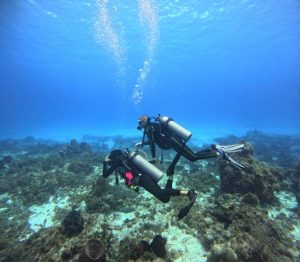
Having good buoyancy doesn’t only make you a better scuba diver, but it also makes you a more sustainable diver. Divers having good buoyancy can control better in their movements underwater. You’ll be less likely to hit the reef or stir up the seabed with your fins.
Dive Locally to Minimize Your Carbon Footprint
Climate change affects the oceans, leading to warming and acidification. When you minimize your carbon footprint, this can minimize the impact of climate change on the oceans.
To reduce your carbon footprint, try to reduce the amount of flying that you do. Instead of traveling to dive in far-away locations overseas, try to explore your area and dive locally. This won’t only reduce your footprint, but you will also get a good chance to learn about new, local dive sites!
Choose Sustainable Seafood
You can also support healthy oceans with your food choices. Eating sustainable seafood can help you to protect marine creatures from overfishing, while supporting coastal communities who depend on the ocean.
Pack it Out
Littering is wrong, but evidence that it happens is everywhere. a portion of it can be unintentional, but you will be wrong if you see it and leave it there. You may think that this task is insurmountable, but all efforts always start with one person.
No need to wait for a special day, as every effort helps. On your next dive adventure, take a bag, then fill it with trash, and bring it up. You can recycle paper, plastics, aluminum, and glass, so it will help if we put them in their proper place (which isn’t adrift in the sea).
Continue Learning about Sustainability
Keep learning about healthy oceans, as this is considered one of the best ways to support healthy oceans. Stay up to date and informed on conservation issues to be well prepared to respond and act in ways that help in the support of the sustainable marine environment.
Spread the Message
In the end, talking about ocean health is very crucial to maintain momentum and get more scuba divers involved in conservation efforts. Using social media or talking to your friends and family about being a sustainable diver can help in protecting the ocean.