


The Red Sea is more than just a diver’s paradise—it’s a living museum beneath the waves. With crystal-clear waters, rich marine biodiversity, and year-round diving conditions, it offers one of the most complete underwater experiences in the world. But what really makes it worth to visit.
These sunken vessels, now transformed into thriving artificial reefs, carry stories from the past while dazzling divers with vibrant marine life. For historical enthusiasts and adventure seekers who want to visit new sites that combine history, mystery, and natural beauty, here are the best wreck diving sites in Egypt you won’t want to miss.
What is Wreck Diving?
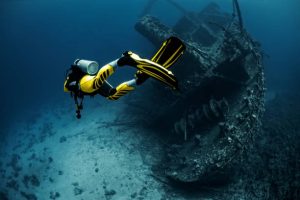
Wreck diving is a type of recreational scuba diving in which you can explore the sunken remains of man-made structures, such as planes, ships, or other artificial objects, on the seabed.
These wreck spots, involving historical artifacts or intentionally sunk structures that usually serve as artificial reefs, offer unique chances to explore underwater history and vibrant marine ecosystems.
There are different levels of wreck diving, from non-penetration (which means swimming around a wreck) to penetration (which means entering the interior of a wreck), and each level requires specific training and gear to guarantee your safety in the hazardous environment of the wreck.
The Best Wreck Diving Sites in Egypt
Egypt’s Red Sea is home to legendary shipwrecks that blend history with vibrant marine life. Here are a list of The Best Wreck Diving Sites in Egypt for an unforgettable underwater adventure:
- SS Thistlegorm.
- The Dunraven.
- The Giannis D.
- The Carnatic.
The Barge. - The Ulysses.
- The Rosalie Moeller
SS Thistlegorm
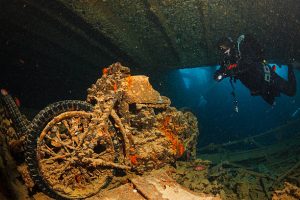
SS Thistlegorm is considered the most famous of the list of the best wreck diving sites in Egypt. The SS Thislegorm is a British, armed Merchant Navy ship that sunk due to German bombers in 1941. it is resting at 30 meters deep and is considered one of the best wreck diving sites in the world.
Divers can explore cargo holds with motorcycles, trucks, and weapons that are frozen in time. Armored cars, AA guns, and train carriages lie across the wreck, while the seabed holds locomotive engines scattered by the blast.
Besides the historical artifacts, you can also enjoy diving with the impressive marine life, with schools of barracuda in addition to batfish circling the wreck.
The Dunraven
The Dunraven is also one of the best wreck diving sites in Egypt, a British steamship that sunk in 1876. It is resting at about 30 meters deep with a hull that has transformed into an amazing reef.
It has a vibrant underwater ecosystem, including sponges, Soft corals, in addition to different species of fish adorn the wreckage. Scuba divers can enter the interior part of the wreck, offering an unforgettable experience while navigating through the remaining of a bustling steamship.
The Giannis D
The Giannis D, which is a cargo ship that sank in the Red sea in 1983, is one of the must-visit wrecks in Egypt. It consists of three parts,offering a multilevel dive experience. The stern of the ship is resting at 24 meters deep, while the bow is at a depth of 10 meters.
Thanks to the hard and soft corals in this sunken ship, It is now considered a shelter to a different types of marine species, such as lionfish, moray eels, and glassfish. The ship’s accessible interior, from the engine room to the cargo hold, offers a fascinating dive.
The Carnatic
The Carnatic, which is a steamship that sank in 1869, is resting on the seabed at 27 meters deep. Its wooden frame has decayed, leaving a coral-covered metal skeleton.
This wreck is well-known for its picturesque quality in addition to The wreck’s nooks and crannies which filled with glassfish. The Carnatic shows marine life’s resilience, turning history into a thriving underwater habitat.
The Barge
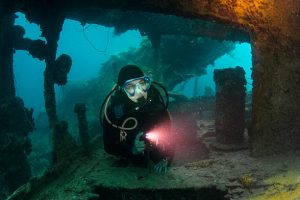
The Barge is one of the best wreck diving sites in Egypt that offers an intimate, underwater exploration experience. It is a small wreck which is nestled in a shallow reef and is full of vibrant marine creatures.
The Barge is an ideal wreck for beginner divers because they can easily explore its accessible structure. The coral gardens around it are vibrant, with colorful fish creates a lively scene.
The Ulysses
The Ulysses, which sank in 1887, offers a dive into history. Because it lays in moderate depths, it requires more experienced divers to explore. Its coral-coated iron frame has turned into a haven for marine life.
Divers can see the ship’s weathered frame, with clear waters providing good visibility to admire this historical wreck.
The Rosalie Moeller
The Rosalie Moeller, which is the sister ship of the SS Thistlegorm, sank only two days after it. It is considered a well-preserved piece of history that is resting at a depth challenging but still accessible for advanced divers.
Due to the large structure,it hosts a different species of marine life. Scuba diving in this wreck offers a combined experience of historical intrigue and natural beauty. The wreck’s eerie presence contrasts with the vibrant marine life it hosts.
The Kingston
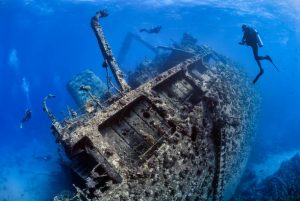
The Kingston is a Victorian-era ship that is resting in the shallow waters. Due to the ease of accessibility, it offers a special diving experience that can be suitable for divers of different skill levels.
This ship is covered in colorful corals and home to a variety of reef fish. The clear waters of the Red Sea provide excellent visibility which helps divers to clearly spot the intricate details of the wreck as well as its amazing marine environment.
Wreck diving in the Red Sea is not just adventure but an immersion into history, marine life, and conservation. Each dive tells a story, each wreck is considered a chapter in an underwater saga.
But, while rewarding, it demands preparation and caution. It’s a vital thing to have good buoyancy control and respect the fragile environment. You should always remember that only advanced divers with specialized training who have the permission to Penetrate the wrecks.
It’s vital to treat these wrecks as historical artifacts, preserve them for future gene–rations, and support conservation to protect both the sites and their marine life.


