


The Red Sea is home to some of the world’s most fascinating marine life, but divers and snorkelers should also be aware of the dangerous marine species in the Red Sea.
From venomous lionfish and stonefish to biting predators and toxic invertebrates, understanding the most dangerous fish in Egypt and other hazardous marine creatures is essential for safe underwater adventures. In this guide, we’ll explore the dangerous fish in the Red Sea.
Dangerous Marine Species in the Red Sea
The Red Sea is home to many amazing sea creatures, but some can hurt people if touched or disturbed when scuba diving. We can devide these dangerous marine species in the Red Sea into the following categories:
-
Biting and wounding fish.
-
Stinging and venomous fish.
-
Poisonous fish.
-
Invertebrates.
Biting and Wounding Fish
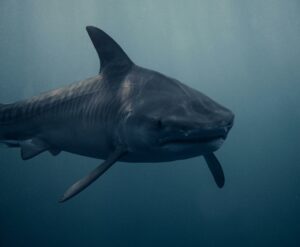
- The tiger shark: which is considered one of the most dangerous types of sharks to humans. Although you can have encounters with it in the Red Sea, it can rarely found near reefs during the daytime.
-
The Grey reef shark: which is territorial and can become aggressive, and has been linked to non-fatal diver attacks.
-
Balistoides viridescens, the Titan triggerfish, will protect its nest aggressively when eggs are present, and its attacks can cause serious wounds that may need stitches.
-
The Yellow margin triggerfish: which is another large triggerfish that should not be disturbed while protecting its eggs.
-
Moray eels, including the Giant moray, are rarely aggressive; most bites happen when divers place their hands inside the eel’s holes.
-
Surgeonfish, such as the Sohal tang have sharp blades near their tails that can cause deep cuts.
Stinging and Venomous Fish
-
The Stonefish: The spines which has on the back are venomous and can penetrate a rubber-soled shoe. This fish is extremely camouflaged and every scuba divers should be very careful to avoid stepping on it. The venom can be fatal.
-
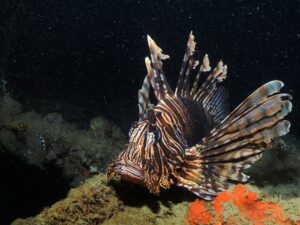
Lionfish such as Pterois miles: These dangerous fish in the Red Sea feature stinging spines which rarely cause a fatal wound but may be extremely painful.
-
Scorpionfish: These fish have venomous spines which resemble those of the stonefish. The venom is less deadly, but it may still prove fatal.
-
The Rabbitfishes: These types have venomous spines in their dorsal, pelvic and anal fins, capable of inflicting painful wounds.
-
Stingrays: stingrays feature sharp detachable spines at the base of the tail, that can cause severe wounds.
Poisonous Fish
-
Pufferfish, including masked puffer: They have accumulated neurotoxin (tetrodotoxin) inside their skin and internal organs. This toxin is extremely potent and caused many fatalities.
-
Boxfish: also have accumulate tetrodotoxin and are considered a poisonous fish, so it is forbidden to eat it. There are two types the Yellow boxfish, and Ostracion cubicus which is widespread in the Red Sea.
-
Soapfishes: A type of dangerous fish in the Red Sea that produce the bitter toxin (grammistin) from their skin to deter predators. This toxin may cause illness in humans.
Invertebrates
-
The Portuguese Man o’ War is considered a floating hydrozoan with retractile tentacles which may be several metres in length, and produce extremely painful stings.
-
Cone shells house molluscs which kill their prey using a venomous harpoon. The venom causes paralysis which may lead to death. Do not pick up these shells if the animal inside may still be alive.
-
Fire coral, millepora spp is considered a hydrozoan which features stinging nematocysts on its surface. The main risk from fire coral comes from snorkelers or scuba divers brushing against it.
-
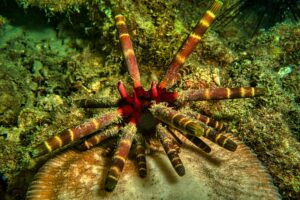
Crown-of-thorns starfishes have many spines upon its surface which have a venomous sheath. The venom may cause highly painful wounds and even paralysis.
By respecting marine life and following basic safety rules, divers can safely enjoy the incredible underwater world and protect themselves from the dangerous marine species in the Red Sea.
With vibrant reefs, diverse marine species, and unforgettable dive sites, the Red Sea remains one of the best scuba diving destinations on Earth. Start planning your next Red Sea diving adventure today.


