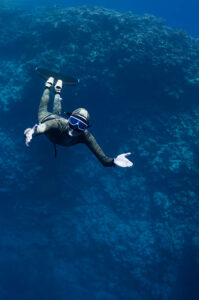
Scuba diving is a thrilling and adventurous activity that allows us to explore the mesmerizing underwater world. From vibrant coral reefs to mysterious shipwrecks, the ocean holds countless wonders waiting to be discovered. However, beneath the surface lies a complex realm governed by the laws of physics. Understanding these principles is crucial for ensuring a safe and enjoyable diving experience. In this article, we will take a deep dive into the science of staying alive underwater.
Overview of the Physics of Scuba Diving
The principles of physics are crucial to safe scuba diving. Pressure, buoyancy, and gas laws affect divers every second they are submerged. Understanding these principles helps divers enjoy their adventures safely. This blog post will delve into these concepts to reveal the science that makes scuba diving possible.
The Science Behind Scuba Diving
-
Buoyancy and Pressure
When you enter the water, your body experiences an upward force. This is called buoyancy. It’s why objects float or sink. Divers adjust their buoyancy with air-filled vests called BCDs. The deeper you go, the greater the water pressure. This pressure can crush objects, so divers must be cautious.
-
Gas Laws and Decompression Sickness
The air in a diver’s tank follows gas laws. One important law is Boyle’s Law. It says that if you decrease the volume of a gas, its pressure increases. When divers ascend, the pressure decreases. This can cause bubbles to form in their blood, known as decompression sickness, or “the bends”. It’s vital to ascend slowly to avoid this.
-
Breathing Underwater: Gas Exchange and Respiratory Physiology
Underwater, divers breathe air at a higher pressure than on land. This affects how oxygen and carbon dioxide exchange in the lungs. The body needs to get rid of carbon dioxide and take in oxygen efficiently. If this balance is off, it can lead to problems like oxygen toxicity or hypercapnia.
-
Effects of Water Density and Temperature on Diving
The density of water affects how sound and light travel underwater. It also impacts how much effort a diver must use to move. Cold temperatures can cause hypothermia, so wearing an insulated suit is often necessary. Water removes heat from the body faster than air, so staying warm is important for safety.
Safety Considerations in Scuba Diving
Understanding the Risks: Barotrauma and Equalization
Barotrauma is an injury caused by pressure differences inside versus outside a body cavity. Divers need to equalize the pressure in their ears by swallowing or blowing gently against pinched nostrils. Failure to do so can result in pain or damage to the ears.
Importance of Dive Tables and Dive Computers
Dive tables and computers help prevent decompression sickness. They track how long and deep you’ve been diving. This way, divers can plan safe ascents and surface intervals. Using these tools is essential for avoiding the bends.
Emergency Procedures and Rescue Techniques
Divers are trained in emergency skills like sharing air and signaling for help. Knowing what to do in an emergency can save lives. Regular practice and keeping calm are key.
Environmental Impact and Conservation in Scuba Diving
Marine Life Interaction and Preservation
The ocean is full of life that divers love to see. But touching or feeding animals can harm them. Responsible divers watch without interfering. They help protect the ocean by following guidelines to preserve marine life.
Sustainable Diving Practices and Ethical Considerations
Sustainable diving means not harming the environment. Divers can do this by not touching coral, being careful with fins, and not taking anything. Dive operators also have a role in teaching and enforcing these practices.
Role of Science in Underwater Conservation Efforts
Scientists use scuba diving to study the ocean. They can learn about coral health, fish populations, and pollution. This research helps us understand how to protect marine ecosystems. Divers can contribute to this work by participating in citizen science projects.
Scuba diving is more than an adventure; it’s a science. Divers must understand physics to dive safely. They must also respect the environment. By combining knowledge with care, divers can sustainably enjoy and explore the underwater world.