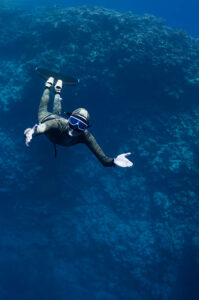
Scuba diving, a spellbinding journey underneath the ocean’s surface, affords lovers the chance to discover a world teeming with bright marine lifestyles and attractive underwater landscapes. However, to thoroughly experience this journey and ensure safety, divers should grasp several techniques, one of which is equalizing. Equalizing is a necessary talent that helps hold stability between the pressure inside and outside of the diver’s ears and sinuses throughout the descent, stopping pain and practicable injuries. In this article, we will delve into the significance of equalizing in scuba diving, the physiology at the back of it, and several methods to grasp this critical skill.
The Physiology of Equalizing:
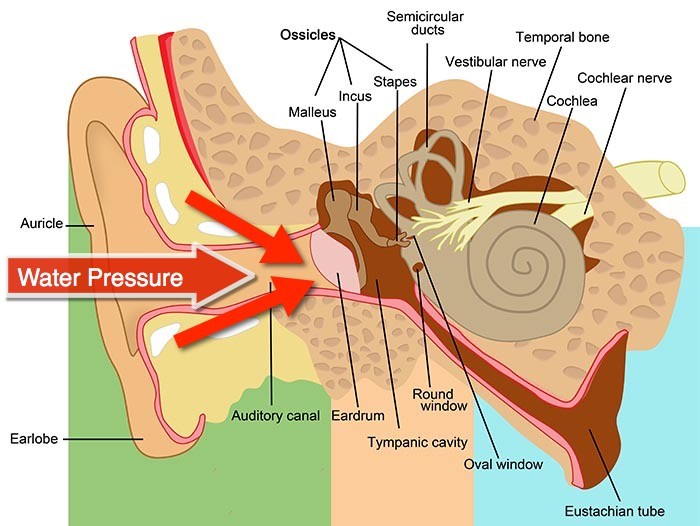
Equalizing is exceptionally indispensable to counteract the growing strain that takes place as a diver descends underneath the water’s surface. The human physique is no longer designed to take care of the fast pressure equalizing skills at some point of scuba diving, particularly in the ears and sinuses. The key physiological factors concerned with equalizing are the Eustachian tubes and sinus passages.
The Eustachian tubes join the center ear to the again of the throat, permitting air to drift in and out. During descent, the growing water pressure can motivate the air in the center ear to compress, resulting in soreness or even pain. Equalizing helps stabilize this pressure, stopping barotrauma—a situation the place stress imbalances reason harm to the ear structures.
Similarly, the sinus passages can additionally journey pressure equalizing at some point of a dive. If these passages are no longer equalized, the diver may additionally experience pain, and in excessive cases, sinus barotrauma can occur. Understanding the anatomy and functioning of these constructions is essential for divers to correctly equalize and experience a secure descent.
Equalizing Techniques:
1. Valsalva Maneuver:
The Valsalva maneuver is a frequent equalizing method the place the diver pinches their nostril and blows gently towards the closed nostrils. This move forces air into the Eustachian tubes, equalizing the pressure in the center ear. Divers must function the Valsalva maneuver early and regularly throughout the descent, especially earlier than feeling discomfort, to stop pressure imbalances.
2. Toynbee Maneuver:
The Toynbee maneuver includes pinching the nostril and swallowing simultaneously. This move opens the Eustachian tubes and lets air float into the center ear. This approach is appropriate for equalizing in the course of descents when the Valsalva maneuver can also no longer be as effective.
3. Frenzel Maneuver:
Advanced divers frequently select the Frenzel maneuver, the place where they pinch their nostrils and use the return of their tongue to push air into the Eustachian tubes. This method requires exercise and manipulation of the muscular tissues involved, making it an efficient technique for skilled divers.
4. Lowry Technique:
The Lowry approach includes tilting the head to one facet whilst equalizing, permitting the Eustachian tubes to align extra favorably for air transfer. This approach is beneficial for divers who may additionally warfare with equalizing in the usual head-forward position.
5. Voluntary Tubal Opening:
The purpose of the voluntary tubal opening technique is to move your jaw forward and downward, as though you are about to yawn, tense the muscles in your soft palate and throat. The Eustachian tubes are pulled open by these muscles.
6. Edmonds Technique:
This technique depends on Tensing the tender tissue at the return of the roof of your mouth (the smooth palate) and throat muscles. Then do a Valsalva movement by pushing the jaw down and forward.
Tips for Effective Equalizing:
-
Start Early and Descend Slowly:
Begin equalizing as quickly as you begin your descent, and do it often to hold pressure balance.
Descend slowly to permit your body to adapt to pressure modifications gradually.
-
Stay Relaxed:
Tension and nervousness can avoid equalizing. Stay calm and relaxed, as anxiety can make equalizing extra challenging.
-
Know Your Limits:
If you trip ache or problem equalizing, ascend barely and attempt again. Injuries might result from attempting to endure discomfort.
-
Stay Hydrated:
Dehydration can affect mucous membranes, making equalizing extra difficult. Ensure you are well-hydrated earlier than and throughout the dive.
Equalizing is a quintessential ability in scuba diving that enhances protection and calm all through descents. Mastering a variety of equalizing techniques, grasping the anatomy involved, and adopting accurate diving practices contribute to an extra exciting and injury-free underwater experience. As divers explore the spell-binding depths of the ocean, a real understanding of equalizing strategies ensures that the journey underneath the waves is enjoyable and safe.