There is a variety of depths and experiences that come with scuba diving, an unmatched trip that lets human beings discover the secrets and techniques of the ocean. Divers are drawn into a world of limitless discovery through the special challenges, allures, and restrictions that every shape of scuba diving offers. We shall take a thorough exploration of the depths related to every type of scuba diving in this article, revealing the specific subtleties and elements that make every underwater journey distinct.
1. Shallow Recreational Diving:
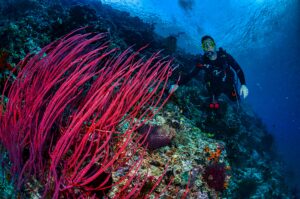
Recreational diving’s shallow zones, which vary from 10 to 30 feet (3 to 9 meters), entice divers into surroundings prosperous in vivid coral gardens, lively marine life, and pristine waters. For inexperienced divers, these comparatively short depths grant an introduction to the enthralling beauty of the underwater environment. Because mild permeates the water well, coral reefs’ rainbow of colorations might also be considered and visibility is good. Before getting into deeper waters, leisure divers can use shallow dives as a stepping stone to attain joy and enthusiasm.
2. Open-Water Diving Depths:
Open-water dives typically go down to a depth of 18 to 60 feet (5 to 18 meters). Novices can examine crucial scuba diving skills, such as buoyancy control, navigation, and emergency procedures, in an at ease place inside this depth range. Open-water divers frequently get to see colorful marine life, discover coral reefs, and improve self belief in their skills to traverse the underwater world. Open-water diving’s shorter depths act as a beginning point, developing the framework for extra lookup and specialization in the substantial realm of underwater experiences.
3. Advanced Open-Water Diving Depths:
Advanced open-water diving generally happens between 60 and 100 feet (18 and 30 meters) beneath the surface. Divers at this level may additionally discover underwater habitats extra wholly and take in a wider range of marine life. Expert open-water divers refine their methods in a range of settings and dive locations, amassing know-how in negotiating increasingly more problematic environments. Access to different underwater cliffs, formations, and wrecks is made viable via the deeper water, which additionally offers divers the possibility to boost their specialization in areas like technical diving or deep-sea research. The depths of superior open-water diving are indispensable for a diver’s improvement considering they provide
4. Technical Diving Depths:
Beyond what is regarded as everyday recreational diving, technical diving is a place of scuba exploration for amateurs. Technical diving generally takes an area between 100 and 330 feet (30 and 100 meters) down, which means that particular training, gear, and a cautious attention to security are needed. Technical divers mission into the “deep zone,” the place where they can come upon uncommon marine life, look at deep-sea wrecks, and negotiate challenging underwater conditions. The decompression procedures, gas management, and cautious dive training are integral at these depths, necessitating a greater diploma of experience.
5. Deep Technical Diving Depths:
Deep technical wreck diving is a subcategory of technical diving that leads explorers to the lowest factors the place historic artifacts are immersed. Discover well-preserved shipwrecks that comprise tales of bygone instances at depths between 100 and 130 feet (30 and 40 meters). Divers with advanced instruction and state-of-the-art gear go to these depths to see historic artifacts mendacity dormant on the ocean floor. Divers who take part in deep technical wreck dives ought to exercising excessive warning when navigating amongst the submerged artifacts, retaining each an eye on the challenges of the contemporary depths and reverence for the past.
6. Cave Diving Depths:
Diving into the complex networks of underwater underpasses and caverns is known as cave diving, a professional type of technical diving. The depths that cave divers go down can fluctuate greatly, ranging from very shallow to more than 100 feet (30 meters). Cave divers use specialized training, equipment, and strict protection rules to traverse via submerged corridors adorned with spectacular formations and find out hidden underground treasures. The depths that cave divers trip vary following the unique cave system, which makes each dive distinct and challenging.
7. Extreme Technical Depths:
The wizard depths of more than 330 feet (100 meters) enchantment as a frontier of discovery for the most daring technical divers. These are waters solely to be entered via human beings with very excessive skills and a deep comprehension of the bodily and mental difficulties worried in long-term submersion. Deep technical diving necessitates a subtle balancing act between ambition and caution. Divers need to navigate the abyss using rebreathers, specialized gas combinations, and giant training.
8. Abyssal Depths:
The deepest factors to which human beings have ventured into the water are acknowledged as abyssal depths, which might also be discovered regularly beneath 10,000 feet (3,000 meters). Technical and recreational divers can’t get entry to this world due to the fact of the harsh instances and pressures that exist at such depths that make it unsuitable for unaided human habitation. When venturing into the unknown, scientists and explorers pick to use remotely operated motors (ROVs) and deep-sea submersibles (DSMs) to discover new and mysterious realms.
In conclusion, the world of scuba diving spans a significant spectrum of depths, every type supplying a special combination of challenges and rewards. From the sunlit shallows of recreational diving to the extreme depths of technical exploration, lovers can pick out their aquatic journey based totally on skill, training, and ambition. Understanding the depths related to every type of scuba diving is paramount for divers to embark on journeys that are no longer solely exhilarating however additionally carried out with the utmost appreciation for the underwater surroundings and a dedication to safety. As technological know-how advances and exploration continues, the depths of scuba diving will continue to be a dynamic frontier, inviting intrepid adventurers to unveil the secrets and techniques that lie underneath the waves.