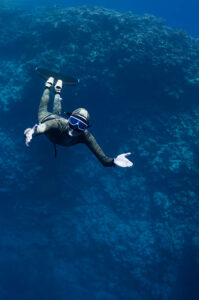
The world of unmatched splendor and thriller is hidden below the blue expanses of our planet’s oceans, calling explorers and adventurers to discover its depths. Both thrill-seekers and nature enthusiasts have been enthralled by scuba diving due to the fact of its first-rate ability to disclose the beauties hidden below the surface. But in the center of these breathtaking underwater environments and breathtaking marine panoramas, there lies a quiet enemy that has the conceivable to make underwater lookup an extraordinarily risky enterprise. This foe is decompression illness (DCS), a sickness that requires know-how and consciousness in our phase to guard these venturing into the unknown underwater.
We set out to discover the intricacies of decompression ailment to scuba diving in this article. We will discover the science underlying this sickness, dive into the physiological elements that lead to its development, and throw mild on the signs and symptoms that can also show up in those who tour too deep or ascend too rapidly. Our purpose is to furnish scuba divers and fans with the information they want to make clever selections and emphasize protection as we discover this necessary aspect of the sport.
1. What is Decompression Sickness?
Decompression sickness (DCS), sometimes referred to as “the bends,” is a complicated physiological condition that happens when a diver goes through pressure fluctuations while ascending and descending the sea. The body’s tissues absorb inert gases, mostly nitrogen, from the breathing gas mixture when a diver descends due to the rising water pressure. The body can easily absorb these gasses and use them under normal conditions. However, if a diver ascends too quickly, the pressure drops, and bubbles containing the dissolved gases may develop in the tissues and blood. Numerous symptoms may result from these bubbles blocking blood arteries. Skin rashes, exhaustion, and joint pain—which frequently affects the shoulders, elbows, and knees—are early symptoms. It can also impact the central nervous system and cause symptoms including disorientation, lightheadedness, or even paralysis.
2. Threat Factors:
The following factors raise the possibility of decompression sickness:
1. Deepness of Dive: The strain on the physique will increase as a diver descends farther, which increases the quantity of inert gases like nitrogen that are absorbed. Careful decompression is imperative whilst ascending from depths to keep away from the making of bubbles.
2. Time of Dive: Longer dive durations allow more time for the body to absorb gases. Extended exposure increases the potential for decompression sickness, emphasizing the importance of monitoring dive times.
3. Ascent Rate: Quick ascents pose a serious risk. Too speedy an ascent reduces the quantity of time the physique has to launch ingested gases gradually, which will increase the threat of bubble formation.
4. Repetitive Dives: Doing many dives in a brief duration of time, especially barring ample surface breaks, can cumulative inert fuel saturation over time, increasing the threat of decompression sickness.
5. Physical Condition and Age: A diver’s vulnerability to decompression health problems can be influenced by way of their age and stage of bodily condition. Those who are older or have fitness problems might also already be greater susceptible.
6. Climatic temperature: The circulation may also be impacted using bloodless water, which raises the opportunity of decompression sickness. In chillier climates, divers must work out more warning and consideration for their thermal protection.
7. Dehydration: Dehydration will increase the danger of decompression illness via impairing circulation and growth of dissolved gases in the blood.
8. Breathing Gas Mixture: A dive’s threat of decompression illness can be affected by the sort of respiration gas utilized. Divers that use a range of gas combinations, such as trimix or nitrox, have to comply with positive decompression tables.
3. Signs and Symptoms:
The signs of decompression illness can fluctuate extensively and may also include:
1. Pain in the muscles and joints
2. Exhaustion
3. Lightheadedness
4. Feeling queasy
5. Breathlessness
6. Pain in the chest
7. Cognitive deficiency
8. Numbness or paralysis
4. Handling and Treatment:
All of those who struggling with decompression sickness must acquire instant and ample treatment. Oxygen is given to the diver as a phase of the everyday therapy, which has the impact of hastening the nitrogen bubbles’ disappearance. In excessive situations, the patient may additionally require hyperbaric oxygen therapy, which entails putting them in a pressurized room to assist the bubbles dissolving.
5. Avoidance and prevention:
1. Dive Tables and Computers: To ensure secure ascent rates and surface intervals, layout and display dive profiles with the use of dive tables or dive computers.
2. Safety breaks: To provide the physique extra time to off-gas nitrogen, consist of protection breaks for the duration of the ascent.
3. Gradual ascent: Even at some stage in short dives, make protection pauses and ascend progressively whilst adhering to the cautioned climb rates.
4. Maintain Hydration: Staying nicely hydrated may decorate the body’s ability to expel nitrogen.
5. Physical Fitness: Keep up a wholesome level of bodily health because those in higher fitness regularly see fewer instances of decompression sickness.
6. Steer clear of Alcohol: Alcohol can impair judgment and elevate the risk of dehydration, which will increase the probability of decompression health problems in divers.
In conclusion, the exploration of decompression ailment in the realm of scuba diving unravels a complicated interaction of physiological dynamics and environmental variables. The bends, as the decompression sickness is colloquially known, underscore the refined stability that divers have to strike between the captivating depths of the ocean and the want to ascend safely. It is evident that a complete perception of decompression sickness is no longer solely necessary for divers to guard their well-being however additionally paramount in fostering a lifestyle of accountable and knowledgeable exploration. As science and knowledge proceed to advance, the onus stays on divers to prioritize safety, adhere to hooked-up protocols, and include a collective duty in the keeping of this fascinating underwater world. By respecting the concepts of decompression and adopting a mindset of persistent learning, divers can navigate the depths with confidence, making sure that the charm of the ocean is complemented through a dedication to security and an enduring recognition of the wonders that lie underneath the surface.