Have you completed the deep diver course? Ok, you know now that diving to 30 meters is considered a rush, but what about diving to 45 meters?
Surely this will prompt many questions about technical diving such as, what is the difference between recreational diving and technical diving? Let me tell you that we are going to answer this question in this article.
Dive spots
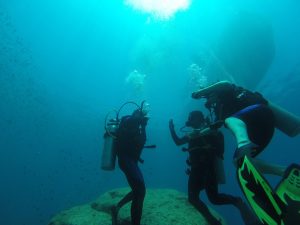
In recreational diving, you will explore the world beneath the sea that non-divers will never see. In technical diving, you will explore all the scuba diving spots that recreational divers can, in addition to that you can go more deeper and stay longer.
This opens up more places to see and explore, but you should keep into considerations that you should have alternate breathing gasses and many gear to wear. That’s why tec dive spots are limited for logistical reasons.
Training & Experience
To become a certified scuba diver, you must complete a training course. and to become a recreational divers or technical one, you should go on a training path for continuing education. There are several specialists in both types for example fish identification and wreck diving in recreational diving and trimex, side mount and rebreather in tec diving.
Limits
As a PADI student, you will be taught to dive within your limits. Open water divers have a maximum depth of 18 meters. Experienced divers should stay the no-decompression limits above 40 meters.
As a technical diver, you can go beyond 40 meters with planning decompression stops. These extended limits allow you to wrench longer and go deeper into a cave. For instance, photographers prefer to extend their limits because they may take more time to get their shot.
Planning
As a recreational divers, you will use a dive computer or RDP to plane your dive. The dive planning in recreational diving is considered extremely easy with the help of the visual constructions given by dive computers.
On the other hand, technical divers have planning procedures that are considered rigorous. These procedures take more time, as they include, preparing gear, planning staged decompression in addition to gas mixtures, so, technical divers recognize that planning is half the fun.
Gear Cost
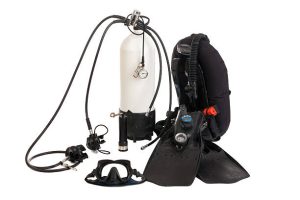
Every diver should have a set of scuba diving equipment to be able to go diving. On technical diving, you will use at least twice as much equipment as you need in recreational diving.
Because you need more gear to become a technical diver, the gear cost will be higher in price.
Risks of technical diving
Technical diving has more risks than recreational diving because of the longer periods of diving. However, tec divers must complete their training to be able to mitigate these risks.
After becoming a certified tech diver, you will have the training, experience and equipment that will help you in handling extreme situations. The extra risks that face tec divers lay the way for phenomenal experiences.