


A fundamental piece of gear for scuba divers, buoyancy management units (BCDs) are necessary for the comfort and security of divers under the surface. Utilizing a BCD allows divers to in reality control their buoyancy and ascend and descend. Divers with various tastes, styles, and conditions can be accommodated through the many types of BCDs available. We shall take a look at the many sorts of BCDs and their special traits as we dig deeper into the realm of BCDs.
1. Jacket Style BCDs:
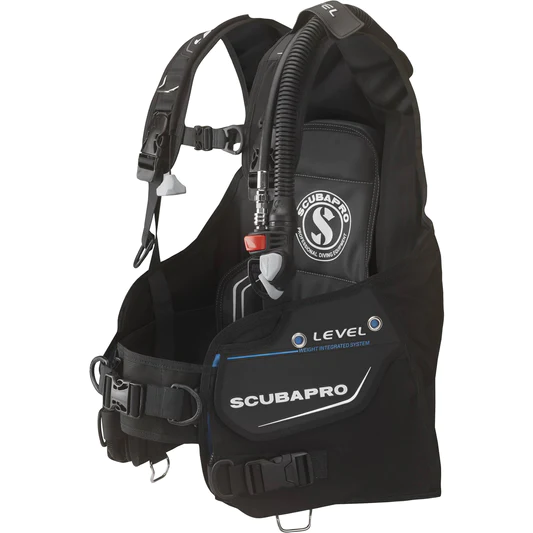
- For recreational dives, the most popular and extensively used form of BCD is the jacket-style model. Its shape is similar to a conventional life jacket, with the diver’s body being enveloped in it. These BCDs are very user-friendly and stable on the surface, which makes them perfect for novices.
- Advantages: Integrated weight compartments, many D-rings for attaching accessories, and simple-to-use oral and/or power inflators are common features of BCDs in the jacket design.
2. Back-Inflation BCDs:
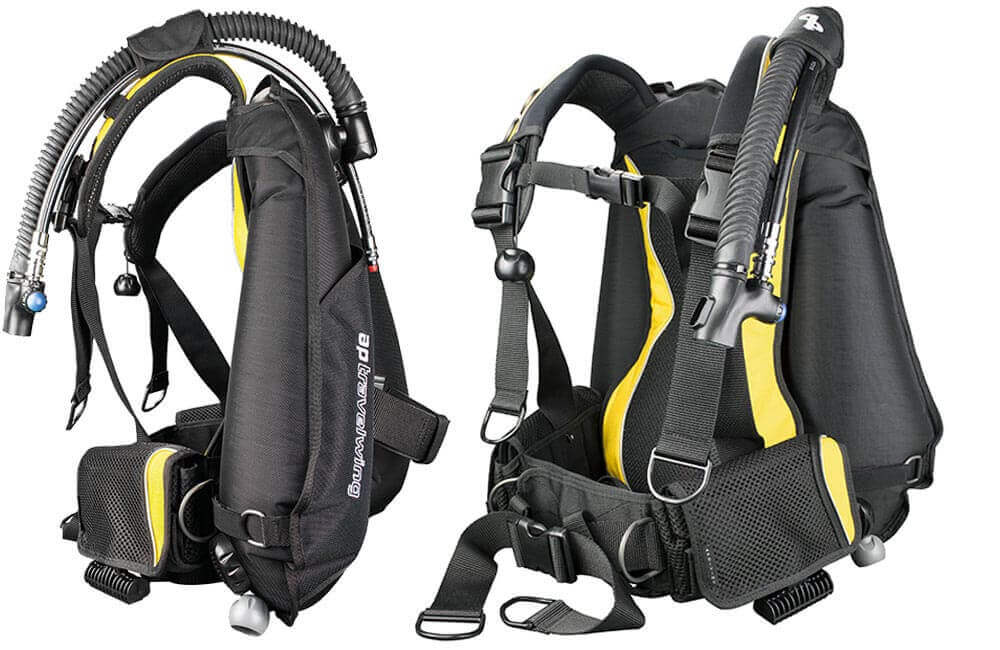
- positioned behind the diver, providing a more streamlined profile. Expert divers and those who value more underwater mobility tend to select this design.
- Advantages: Reverse inflation Better control over buoyancy is made possible by the harness system that many BCDs provide for a secure fit. They could have built-in weight systems, which would reduce the requirement for a weight belt.
3. Hybrid BCDs:
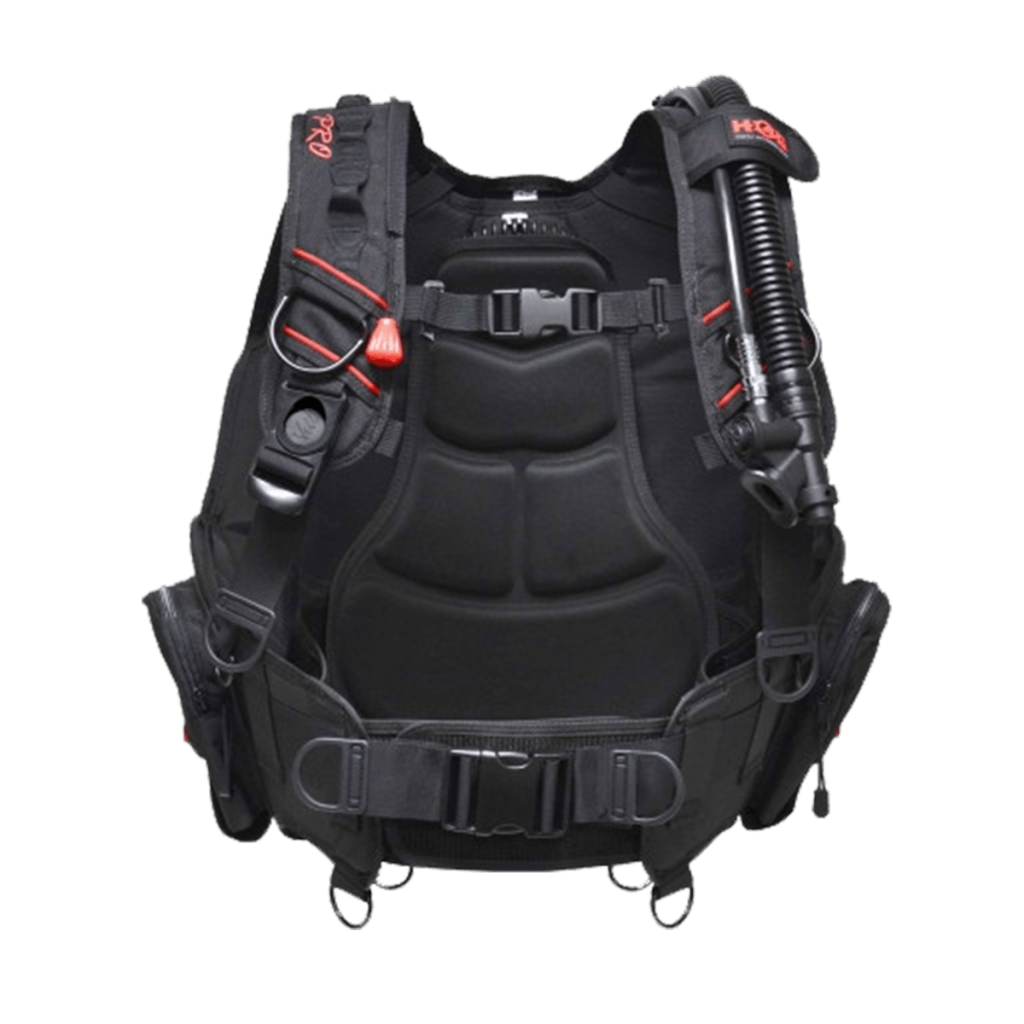
- Hybrid BCDs combine the best elements of both jacket-style and back-inflation BCDs to offer a well-rounded solution. For divers who wish to benefit from both designs, these adaptable BCDs are appropriate.
- Advantages: integrated weight pockets, a bladder that inflates from the rear, and an inflating pump that is located on the front. They provide a balance between efficient performance and stability.
4. Technical/Travel BCDs:
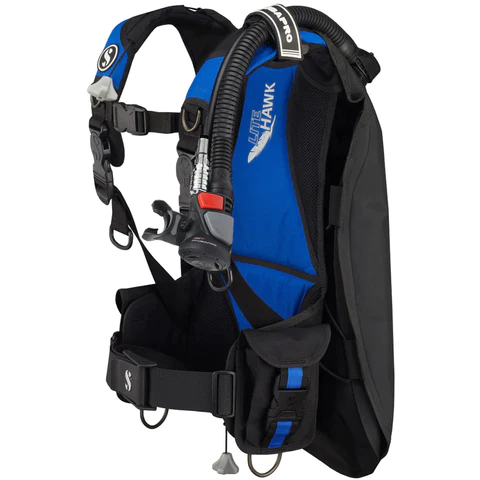
- For divers who often dive in difficult or distant locations, technical and travel BCDs are made specifically for them. Oftentimes, these BCDs are small, light, and convenient to travel with.
- Advantages: Modular components for customisation, strengthened D-rings for attaching equipment, and extra storage pockets are possible features of technical/travel BCDs. Durability and usefulness are given top priority.
5. Wing BCDs:
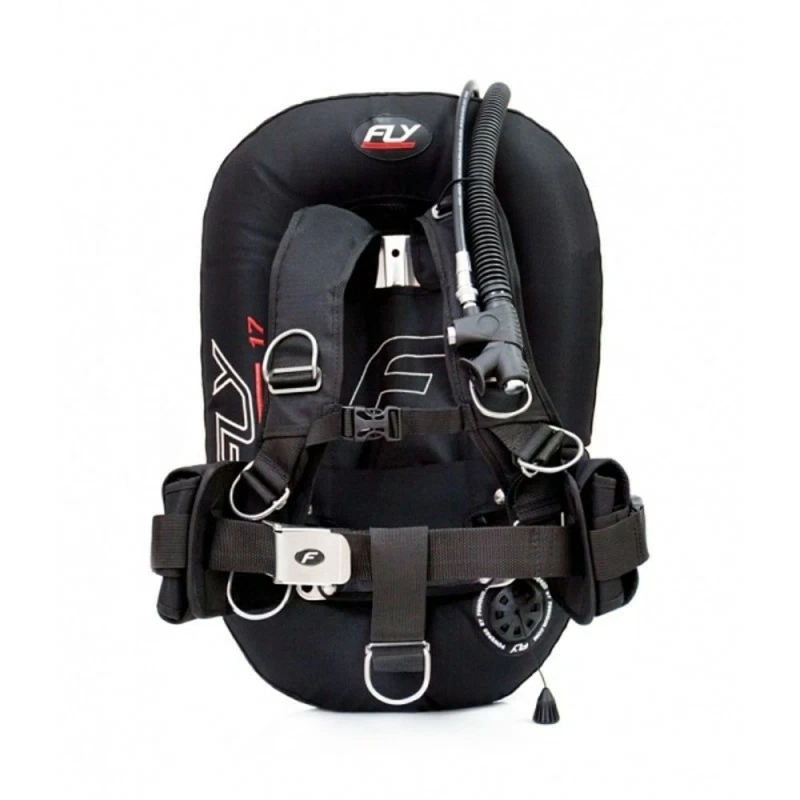
- Wing BCDs are made up of a buoyancy chamber fashioned like a wing that is often fixed on a backplate and a strap system. Technical divers who need exact control over buoyancy are drawn to this design.
- Advantages: With movable harness systems, backplates, and buoyancy wings, wing BCDs provide increased customisation. For technical diving, they are frequently used in conjunction with double-tank rigs.
For each diver, selecting the appropriate buoyancy control device (BCD) is essential since it has a direct effect on comfort levels underwater. Knowing the many kinds of BCDs and their characteristics may help you, regardless of your level of expertise, make an informed choice depending on your needs and diving preferences. Make sure you have received the appropriate training and are comfortable using your selected BCD to increase your underwater safety and enjoyment. Happy and safe diving!


