If you are practicing one or more different types of watersports, you will probably be searching for something comfortable to wear. Drysuits and wetsuits are the best options for you. They are considered water sporting essentials because they will keep you dry, warm and enhance your performance by helping you stay in the water for a longer time.
If you are looking for a woman’s suit, a kid’s suit or a man’s suit, you will find suits for all ages and sizes, and also they can suit all different types of water sports.
There are some significant differences between both types of suits. Basically, wetsuits can trap a layer of water between the suit and the skin which are heated by your body temperature and in turn keeps you warm.
On the other hand, if you want to be completely dry, drysuits are your perfect option, but you must wear layers of clothes underneath to keep you warm.
Which suit you should choose depends on the type of the watersport that you will practice, the temperature of the water and your own preferences. To help you make your decision, take a closer look at the differences between dry suits and with suits in this article.
The Main Purpose of Drysuits and Wetsuits
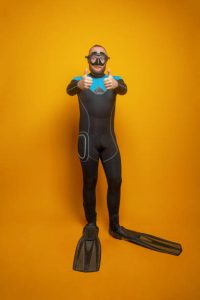
The biggest difference between drysuits and with suits low is in the capabilities. Joy suits are entirely waterproof. Its surface made from three or four layers of fabric that characterize it to be breathable and waterproof.
Drysuits or specifically designed for watersport activities that are done on the surface. Diving drysuits are much different from surface drysuits and are made from thick rubber or neoprene.
All of that in addition to its zippers and various seals that prevent any water from getting inside and as a result of being looser in wetsuits, you should wear insulated clothing underneath to keep yourself warm.
On the other hand, wetsuits are designed to keep you warm in the water because it’s made from new brain and a rubber like material which is designed to trip the water between your body and the suit itself.
This layer is warmed by your body temperature to keep you warm during your water activity. To make this success, wetsuits must be fit tightly. That also enables you to move more comfortably while being in the water.
Why Do You Need a Drysuit?
Because of the looser fitting of drysuits, you can move more freely than wetsuits. For Rip driving, kayaking, scuba diving and dinghy sailing, it’s considered a popular choice.
Also a drysuit can’t keep you warm, it will keep you completely dry because it is designed from waterproof materials. To feel more warmer, wear layers underneath.
Why Do You Need a Wetsuit?
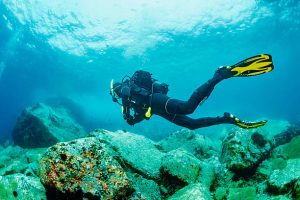
If you are practicing water activity that requires spending long periods in the water, such as scuba diving, a wetsuit is the best option for you.
It’s specifically designed to trap some water inside, between your body and the suit itself, then this water gets heated up by your body temperature to keep you warm. As a result of its thermal abilities, you don’t have to wear anything underneath except a thin swimsuit.
You can choose between 3 mm, 4 mm, 5 mm wetsuit depending on some factors including the temperature of the water and the time of year. Although wetsuits provide some buoyancy, you should never wear it instead of a buoyancy aid or without it.
Types of Watersports
While wetsuits provide you with the optimum performance in the water, drysuits can work best for kayaking, sailing, jetskiing and kitesurfing.
If you are doing bodyboarding or surfing, a wetsuit is designed specifically for you. Wetsuits are also considered the best choice for SUS boarding, wakeboarding and open water swimming. Whether you want women’s suits, kid’s suits or men’s suits. There are wide range of sizes and styles that you can choose from.
The Best Suit for Summer and Winter
Whether you are conquering the sea waves in summer or scuba diving on a freezing cold deep water in winter, you can find plenty of options on the market.
You can find wetsuits in different styles to suit every season. If you are going to practice your activity in summer, choose a short wetsuit that is between 2 two 3 mm in thick, while in winter, a full body wetsuit which is 4 to 6 mm thick will be your best option.