An exploration into the ocean’s depths, whether for fun or scientific purposes, has long enthralled people. The instruments and gear that allow us to investigate the undersea environment also evolve along with technology. One of these essential pieces of equipment is the drysuit, an engineering wonder that keeps divers warm and comfortable even when they plunge into frigid waters. We’ll cover all you need to know about drysuits for scuba diving in this extensive guide, including their varieties, histories, upkeep, and appropriate use.
1. A Synopsis of Drysuit History: From Lowly Origins to Contemporary Marvels
The inception of drysuits may be traced to the early 1900s, when scuba divers looked for methods to shield themselves from the frigid waters. The initial drysuits were crude, frequently constructed from vulcanized rubber or rubberized canvas, and lacked the advanced features present in modern models.
Drysuit technology underwent a revolution throughout the years due to developments in building processes and materials. The synthetic rubber known as neoprene, which was created in the 1930s, was essential in improving flexibility and insulation. Furthermore, advancements like better zippers, breathable materials, and latex seals accelerated the development of drysuits, increasing their effectiveness and comfort for divers of all experience levels.
2. Drysuit Anatomy: Understanding the Parts
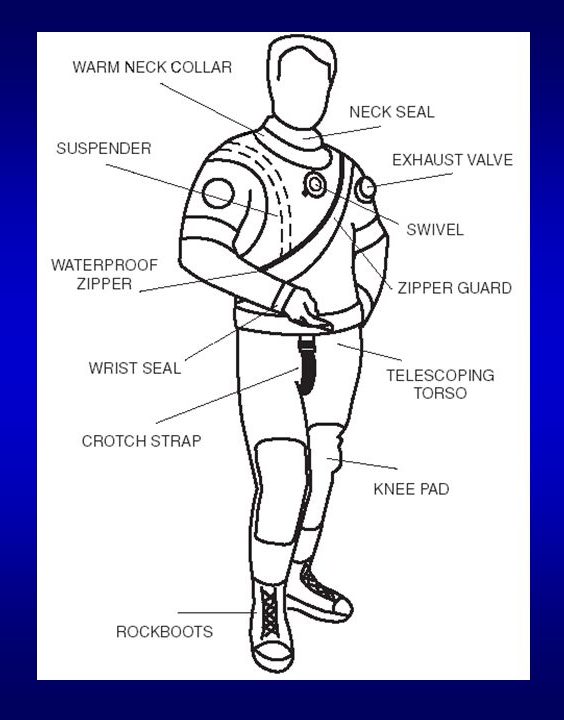
Let’s acquaint ourselves with the main elements of a standard drysuit before delving further into the specifics of drysuit diving:
-
Outer Shell: The drysuit’s outer layer keeps you buoyant and shields you from the weather. It is often composed of abrasion-resistant, long-lasting materials like compressed neoprene or trilaminate.
-
Inner Insulation: Used in some drysuit types, fleece or synthetic fibers act as inner insulation layers to assist preserve body heat and keep divers warm in cold water conditions.
-
Seals: Water cannot enter into the suit because of watertight seals at the neck, wrists, and ankles. Usually composed of silicone or latex, these seals need to fit snugly without being uncomfortable.
-
Entry System: There are many entry systems on drysuits, such as zippers in the front, back, or shoulders that make it easier to put on and take off the garments while keeping a watertight seal.
-
Valves: By introducing or removing air from the suit, the inflator and exhaust valves let divers to adjust their buoyancy. Additionally, some drysuits come with an extra urinal valve to provide convenience for extended dives.
-
Socks or Boots: The diver’s feet are kept warm and safe with integrated boots or separate socks, which are usually constructed of latex or neoprene. Socks fit over separate dive boots, whereas boots are incorporated into the suit design.
-
Specialized undergarments: including thermal layers and undersuits, are essential for improving insulation and comfort, particularly in cold water conditions, even though they are not a component of the drysuit itself.
3. Drysuit Types: Selecting the Correct Fit
Divers’ tastes and particular diving situations are catered for in a variety of drysuit designs and configurations. There are three main categories of drysuits:
-
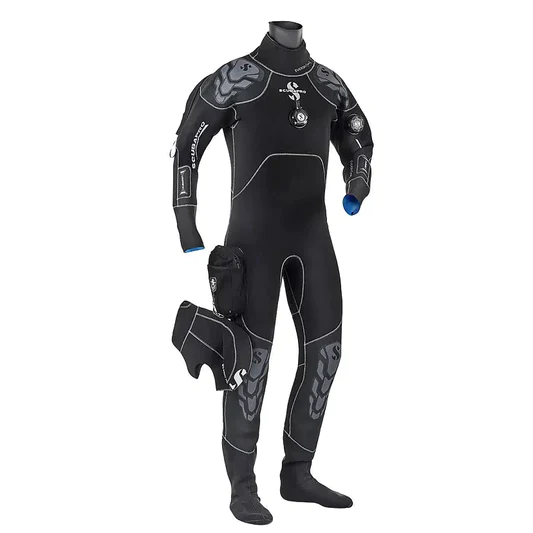
Neoprene drysuits: Made of thick, insulating neoprene rubber, these suits are incredibly durable and provide good protection against heat. Neoprene drysuits are ideal for cold water situations because they keep you buoyant during the dive.
-
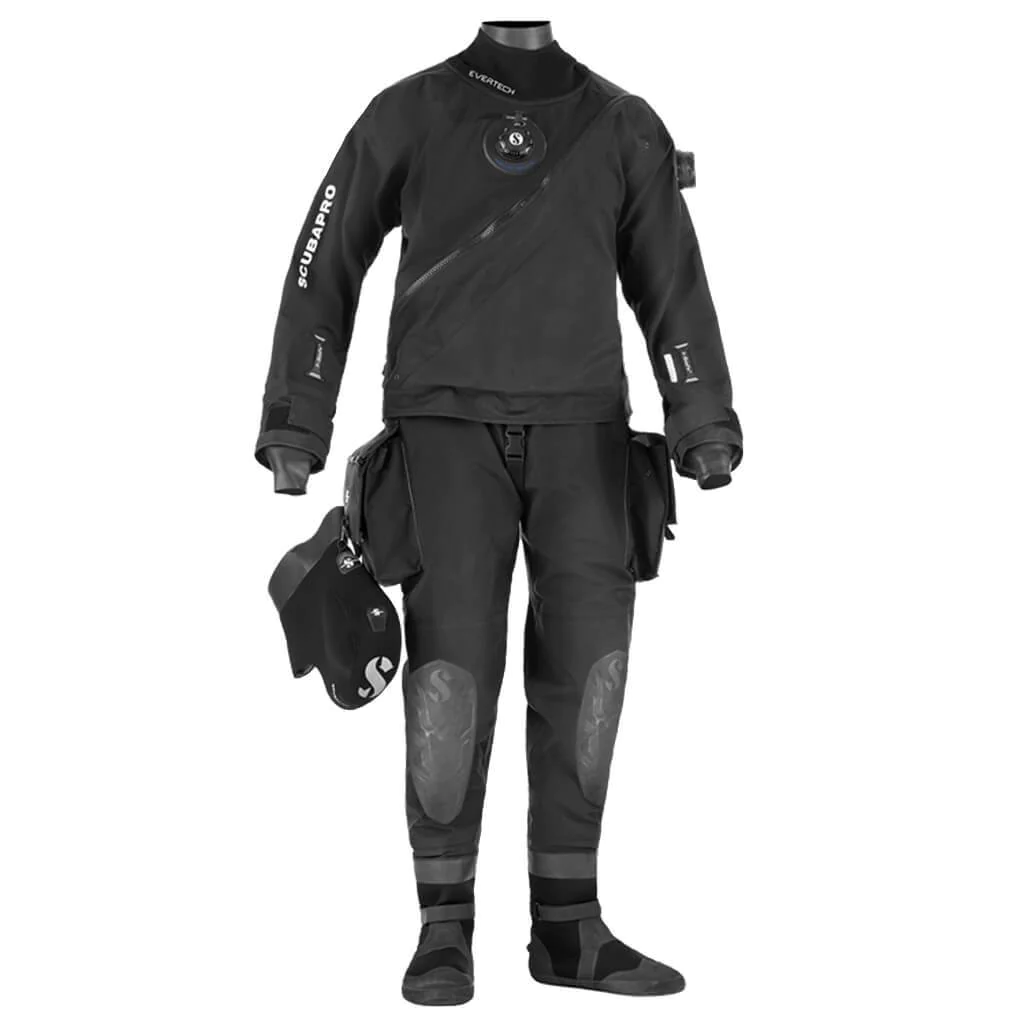
Trilaminate Drysuits: Trilaminate drysuits are lightweight, flexible, and appropriate for a variety of diving circumstances. They are made of many layers of fabric, usually polyester or nylon, glued together with a waterproof membrane. They are frequently chosen for technical diving as they provide better mobility.
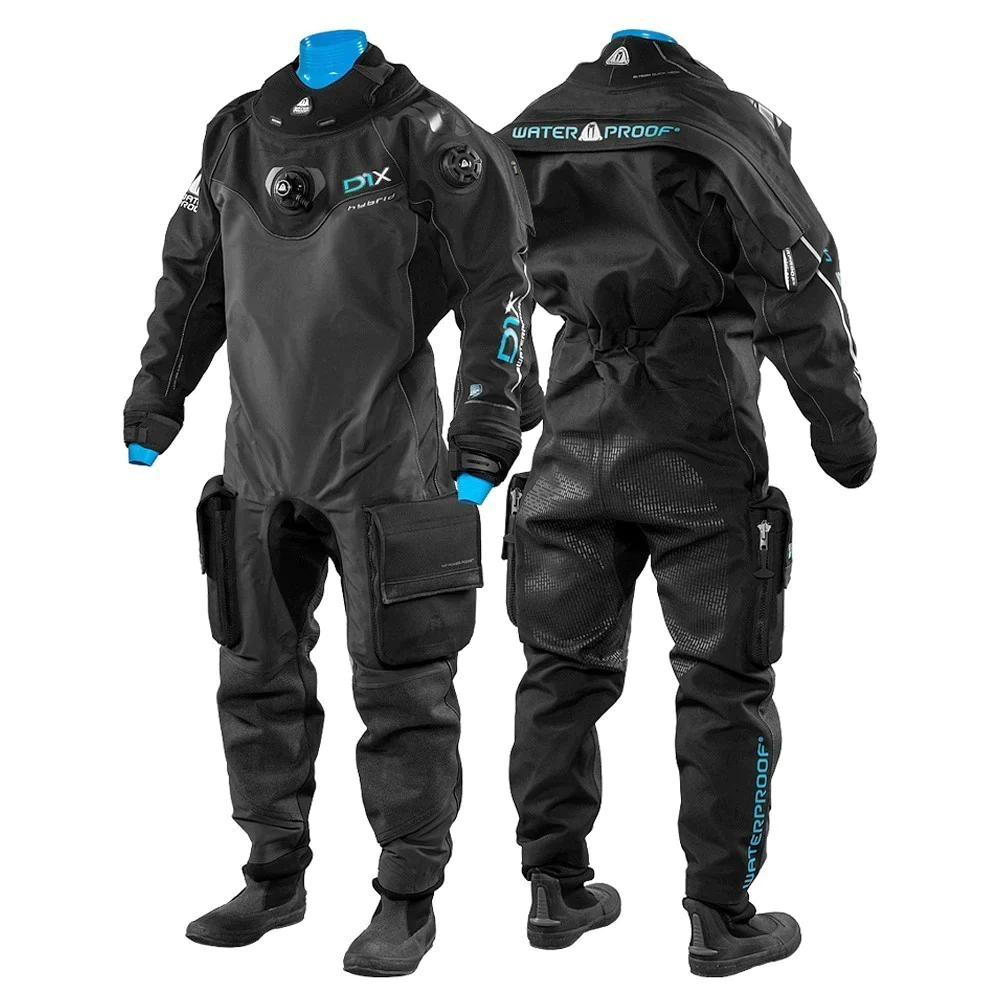
- Hybrid Drysuits: Bringing together the greatest aspects of trilaminate and neoprene designs, hybrid drysuits combine the flexibility and lightweight qualities of trilaminate with the insulation of neoprene. These suits are flexible and may be used in a variety of diving conditions.
Considerations for selecting a drysuit include dive depth, water temperature, mobility needs, and individual comfort preferences. To choose the best kind of drysuit for your diving excursions, it’s imperative to speak with knowledgeable dive instructors or experienced divers.
4. Suit Upkeep and Handling: Increasing the Drysuit’s Life
Drysuits need to be maintained and cared for on a regular basis to guarantee maximum performance and lifespan, just like any other piece of dive equipment. The following are some crucial upkeep pointers to ensure your drysuit stays in excellent shape:
-
Rinse After Use: To avoid premature wear and damage, properly rinse your drysuit with fresh water after each dive. This will remove any salt, sand, and other debris.
-
Examine the zippers and seals: Check for damage or degradation on a regular basis on the neck, wrist, and ankle seals, as well as the zippers. To stop corrosion and guarantee smooth functioning, replace worn-out seals and lubricate zippers using silicone-based lubricants.
-
How to Store It: Keep your drysuit out of direct sunlight and heat sources by keeping it in a cool, dry area. Do not hang the suit by the neck seal as this may eventually cause it to expand and warp. To keep the suit in form, use a broad hanger or lay it flat.
-
Avert Contact with Sharp items: Take care when handling your drysuit to prevent rips or punctures from sharp items like abrasive surfaces or diving knives. If there is damage, quickly fix it using the proper patching supplies or, if necessary, seek expert help.
- Observe Manufacturer Guidelines: Whenever possible, make sure you take care of your drysuit according to the manufacturer’s guidelines, which should be found in the user manual or any accompanying documents. Following these recommendations will assist in protecting the integrity of your lawsuit and save needless damage.
You may extend the life of your drysuit and guarantee many safe and fun diving excursions by following these recommended practices.
5. Safety Advice: Preserving Your Safety in the Depths
While there are many advantages to wearing a drysuit for comfort and thermal protection, there are also certain safety concerns that divers need to be aware of. The following are vital safety guidelines for drysuit diving:
-
Appropriate Instruction: Learn the correct methods for putting on, taking off, and controlling buoyancy in a drysuit by attending extensive instruction from qualified instructors prior to trying drysuit diving. Become familiar with emergency protocols and practice critical skills in safe settings.
-
Acquiring proficiency in buoyancy control is essential for drysuit diving, as variations in air volume can have a substantial impact on buoyancy dynamics. To maintain neutral buoyancy during the dive, practice regulating your buoyancy using the exhaust and inflate valves on your suit.
-
Equalization procedures: Pay close attention to equalization procedures, particularly if you’re diving deeper or wearing heavy underwear. Early and frequent ear equalization can help prevent pain or harm from pressure shifts.
-
Buddy System: Dive with a trustworthy partner who is experienced in drysuit diving and is ready to help in an emergency. Keep lines of communication open and learn hand signals for communicating vital information or indicating distress while submerged.
-
Emergency Procedures: Learn how to handle situations including equipment problems, drysuit valve drills, and buoyancy failures. These procedures are unique to drysuit diving. Regularly follow these steps to make sure.
Drysuit technology will surely continue to develop, pushing the bounds of exploration further than in the past, as science and our understanding of underwater ecosystems grow. Drysuits enable divers to explore vivid coral reefs or dive in icy arctic seas with confidence and ease, helping them to unravel the secrets of the deep.
Thus, keep in mind the vital function that drysuits play in helping you to discover the marvels of the ocean with every dive as you get ready to go on your next underwater adventure. Know that your drysuit will be there to keep you warm, cozy, and safe every step of the way as you embrace the adventure, go deep, and take in the splendor of the underwater world. Happy and safe diving!