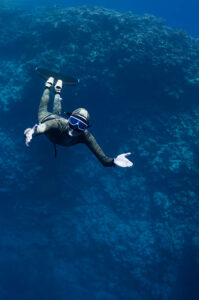
Exploring the fascinating underwater world is made possible through the thrilling sport of scuba diving. The correct scuba diving gear is crucial for comfort, safety, and performance underwater, regardless of your level of experience or willingness to try this water sport. Divers can be accommodated to varied locations and diving circumstances in a variety of diving suits, from warm tropical waters to frigid arctic seas. All the information you want about the many kinds of scuba diving suits, their characteristics, and application circumstances will be covered in this thorough article.
1. Drysuits:
Because water cannot enter the suit, drysuits are designed to keep divers completely dry. Drysuits are different from wetsuits in that they have watertight seals at the neck, wrists, and ankles in addition to waterproof zippers for entry and departure. Diving suits serve as a barrier against the cold water, thus divers wear insulating layers below them to stay warm.

Various styles of drysuits
-
Membrane drysuits: These suits are lightweight and incredibly flexible, made of waterproof materials like rubber or coated nylon.
-
Neoprene drysuits: Neoprene drysuits, like wetsuits, trap a layer of water between the diver’s skin and the suit to provide insulation. In colder waters, nevertheless, they provide superior thermal protection.
2. Wetsuits:
Wetsuits are perhaps the most common kind of diving suit since they are so adaptable and comfortable. These suits are made of neoprene, a synthetic rubber material that acts as insulation by trapping a thin layer of water between the suit and the diver’s skin. As the diver descends, their body heat warms the water, creating a thermal barrier that keeps them warm.

Various styles of wetsuits:
-
Full-length wetsuits: The best potential thermal protection is provided by wetsuits that cover the entire body, from the neck to the ankles and wrists.
-
Shorty wetsuits: “Shorty” wetsuits are ideal for warmer seas or for divers who prefer more movement. They include short sleeves and legs.
3. Semi-dry Suits:
Wetsuit and drysuit elements are combined in semi-dry suits to maximize thermal protection and reduce water exchange. Typically, these suits are made of neoprene and include waterproof zippers and sealed seams to prevent water infiltration. Semi-dry suits, however not as totally waterproof as drysuits, are appropriate for diving in colder seas when a standard wetsuit would not offer enough insulation.

4. Dive Skins:
Dive skins are lightweight clothing items that shield the skin from sunburn, abrasion, and marine stings. They are often referred to as rash guards or lycra suits. Diving skins, which provide little thermal insulation in contrast to wetsuits, are mostly used for warm-water diving conditions or as an extra layer beneath drysuits or wetsuits. Surface water sports enthusiasts, freedivers, and snorkelers all love wearing dive skins.

-
Selecting the Appropriate Dive Outfit:
The right diving suit to choose relies on a number of variables, such as budget, dive duration, water temperature, and personal choice. The following should be kept in mind:
-
Water Temperature: To avoid hypothermia in colder seas, use thicker wetsuits, drysuits, or semi-dry suits. In warmer climates, a lighter diving skin or wetsuit could be enough.
-
Dive Length: To guarantee comfort and safety during longer dives, proper thermal protection is necessary. Select a suit that will provide enough insulation for the whole dive.
-
Fit and Comfort: A diving suit that fits well should be tight but not uncomfortable, allowing for unrestricted mobility. To keep water out of the suit, make sure the zippers and seals are tight.
-
Budget: The cost of diving suits varies based on the kind, quality, and features. Comfort and durability should be given first priority when purchasing a high-quality suit that fits your demands and budget.
-
Upkeep and Consideration:
Maintaining the longevity and functionality of your diving suit requires proper care. To maintain your suit in peak shape, adhere to following tips:
-
To get rid of salt, sand, and other particles, rinse your suit with fresh water after every dive.
-
Remove your outfit from any heat sources or direct sunshine and let it air dry.
-
Keep your suit stored somewhere cool and dry, away from chemicals and sharp things.
-
Regularly check for wear or damage on seals, zippers, and stitching, and make any repairs.
-
To keep the suit’s integrity intact, clean and maintain it according to the manufacturer’s recommendations.
When it comes to providing warmth, comfort, and safety for scuba divers exploring the underwater world, scuba diving suits are essential. Choosing the correct diving suit may improve your diving experience and give you the courage to explore, whether you’re traversing tropical reefs or venturing into frigid depths. Divers may choose the best option for their diving experiences by being aware of the many types of suits that are available and their corresponding qualities. Fit, comfort, and upkeep should always come first if you want to get the most out of your diving suit and have years of amazing underwater experiences. Happy and safe diving!