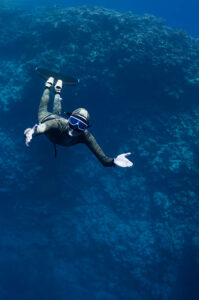
The opportunity to explore the fascinating ocean depths is provided by scuba diving, but there are difficulties involved, particularly with regard to being warm and comfortable when under. Since technological breakthroughs have transformed the way they work and are designed, drysuits have been the preferred choice for divers looking to protect themselves from the weather. The main features and advantages for scuba divers are highlighted as we delve into the most recent advancements in drysuit technology.
1. Mastery of Material:
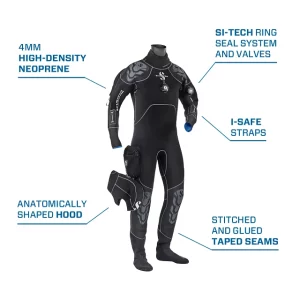
The material composition of a drysuit is fundamental, and new developments have produced highly specialized textiles that are designed to endure the harsh conditions of underwater settings. Because of its remarkable ability to control body temperature and keep out water, manufacturers continue to choose Gore-Tex, a breathable and waterproof textile.
Furthermore, improved flexibility and mobility are provided by hybrid fabrics that include elements like neoprene and elastane, enabling divers to move freely while yet maintaining a tight and waterproof seal. These materials are perfect for prolonged diving sessions in a variety of circumstances since they carefully combine comfort and durability.

2. Solutions for Sealing:
Any drysuit must have a watertight seal, and technological developments have made these seals far more dependable and long-lasting. Although many drysuit designs still use classic latex neck and wrist seals, more recent materials like silicone and neoprene seals provide better comfort and durability without compromising functionality.
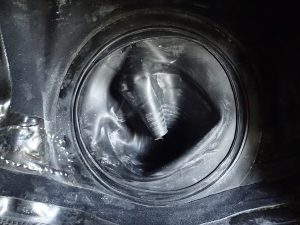
Self-donning neck seals and adjustable wrist cuffs are two examples of innovative sealing systems that simplify the donning and doffing procedure and make it easier for divers to get a secure fit. These characteristics lower the chance of water infiltration, which improves convenience while also improving overall dive safety.
3. Superior Thermal Performance:
For divers venturing into cooler waters, maintaining thermal insulation is essential, and new developments in drysuit technology have centered on increasing heat retention without sacrificing mobility. Advanced thermal liners offer better insulating qualities while still being breathable and moisture-wicking. They come in a variety of fabrics, from lightweight fleece to high-performance synthetics.
To keep divers warm and comfortable throughout their dive, certain drysuit models have modular insulating layers that can be altered to fit shifting climatic circumstances. Moreover, integrated heating systems that run on rechargeable batteries provide an additional degree of warmth for prolonged dives in extremely cold waters.
4. Zenith of the Zipper:
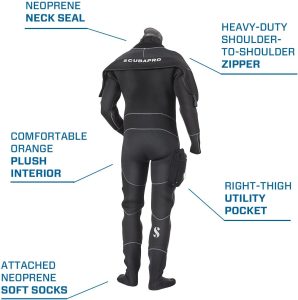
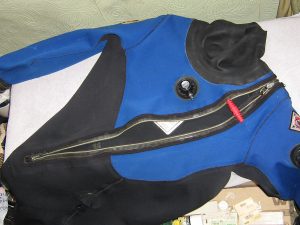
A drysuit’s waterproof integrity is accessed through the zipper, and new advancements in zipper technology have produced sturdy and dependable sealing mechanisms. Even under high pressure, water cannot get through the airtight seals of waterproof zippers, including those made with TIZIP technology.
Additionally, the arrangement and positioning of the zippers have been tuned to reduce drag and streamline hydrodynamics, enabling divers to glide through the water with ease. Furthermore, characteristics that improve durability and stop snagging during dives include strengthened zipper flaps and protected zipper covers.
5. Complementary Intelligence:
Modern drysuits are outfitted with a variety of integrated elements that are intended to improve convenience and functionality in response to divers’ changing demands. Adjustable waist belts provide a personalized fit based on personal preferences, while reinforced knee and seat padding offer increased durability and abrasion resistance.
Certain kinds of drysuits come with built-in pockets to hold necessary diving gear and luminous accents to improve visibility in low light. Detachable gloves and hoods also provide divers with adaptability while exploring a range of underwater settings, from frigid areas to tropical reefs.
The most recent developments in drysuit technology have completely changed how scuba divers see the underwater environment since they offer the best warmth, comfort, and dependability possible in even the most difficult circumstances. Today’s drysuits provide a range of characteristics designed to meet the demands of modern divers, from innovative zippers and thermal insulation to specialized materials and sealing techniques.
Purchasing a top-notch drysuit with the newest technologies will significantly improve your diving experience and guarantee your safety and comfort while submerged, whether you’re diving in a shallow reef or a deep wreck. Thus, be sure to research the most recent developments in drysuit technology and prepare for an incredible dive before you embark on your next underwater excursion. Happy and safe diving!