Exploring marine life, coral reefs, and underwater sceneries may be an amazing experience as one dives into the underwater realm. Having the proper gear is essential if you want to truly enjoy this journey. The dive mask is an indispensable piece of equipment for any diver since it not only improves visibility, but also guarantees comfort and safety while submerged. We will examine the parts of a dive mask and their significance to the diving experience as we examine the anatomy of the mask in this article.
1. Lenses:
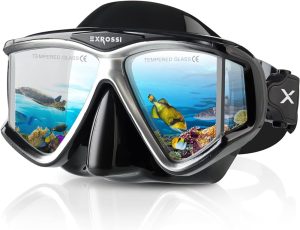
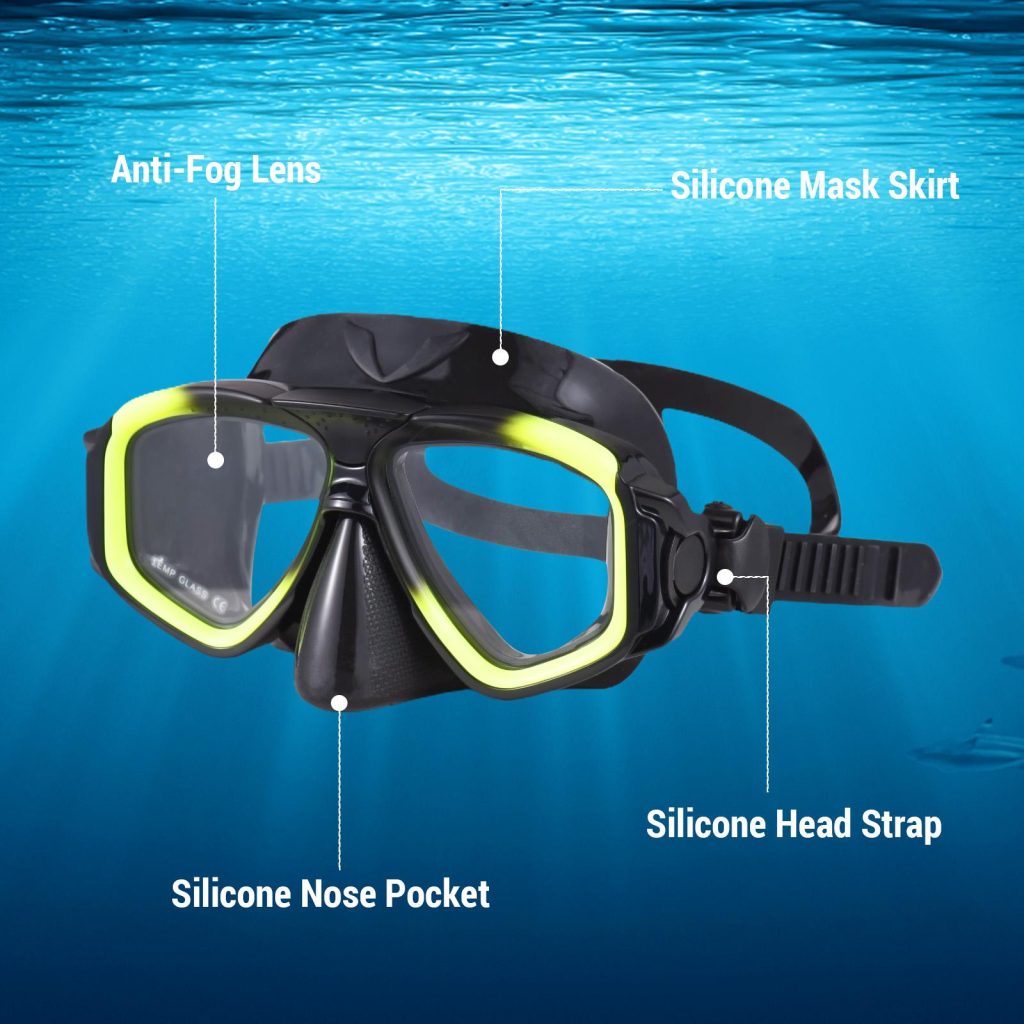
The lenses in a dive mask are its main component. These lenses offer a good picture of the underwater world and are often composed of tempered glass. Because of its strength and capacity to withstand breaking under water pressure, tempered glass is recommended. While some masks have separate lenses for each eye, others have one lens for a larger range of vision.
2. Skirt:
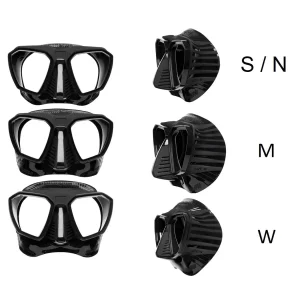
Water cannot seep in because the skirt creates a seal between the diver’s face and the mask. Usually made of silicone or a similar pliable substance, the skirt fits snugly around the diver’s face by conforming to its curves. People love silicone skirts because they are long-lasting and comfortable.
3. Frame:
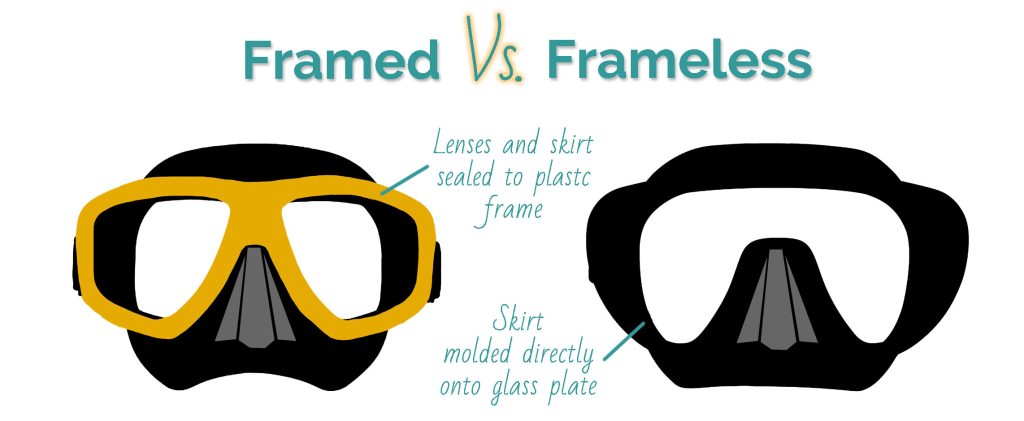
The mask’s frame secures the lenses in place and offers structural support. Materials like plastic, metal, or lightweight alloys can be used to build it. Designs without frames, in which the skirt is fused directly to the lens, have a more streamlined appearance and are less bulky.
4. Strap
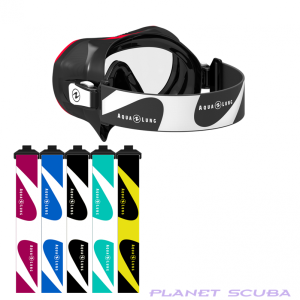
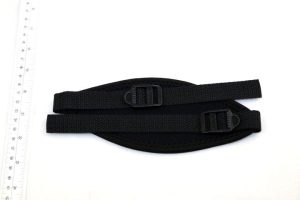
The strap is in charge of keeping the mask in place. The strap’s neoprene or silicone construction provides flexibility and longevity. Customizing the fit with adjustable buckles ensures comfort and security when diving. Underwater, quick-adjust buckles make it simple to tighten or loosen.
5. Pocket Nose:
The nose pocket, which is located in the skirt, fits the diver’s nose and distributes pressure as they descend. It should be just the right amount of snug to keep out water seepage and roomy enough for simple equalizing.
6. Buckles for mask straps:
The strap is attached to the mask via these mechanisms, which are located on either side of the mask frame. They make it simple to modify the strap length for a custom fit.
7. Optional Purge Valve:
A purge valve, which is usually found in the nasal pocket or beneath the nose area, is a feature of certain masks. By allowing the diver to exhale through their nose and release water without taking off their mask, this valve makes it easier to remove water buildup inside the mask.
8. Design and Color:
Although a dive mask’s color and shape are not essential to its operation, they can affect the diving experience. In bright light, darker colors can help reduce glare, whereas brighter colors improve visibility underwater.
To choose the best dive mask for your needs, it is necessary to understand the anatomy of the mask. The durability and optimum functioning of your mask can be guaranteed by performing regular maintenance, such as cleaning it with fresh water after each use and keeping it in a case for protection. Investing in a top-notch dive mask is essential for anyone hoping to explore the undersea world, regardless of experience level. Happy and safe diving!