People may explore the fascinating depths of the undersea environment through the fascinating sport of scuba diving. But under the surface there is a complicated ecosystem that is controlled by the rules of physics, especially pressure-related ones. It’s essential to comprehend pressure science if you want to dive safely and have fun. During their training, scuba divers study dive physics concepts in order to understand the subtleties of pressure and how it affects the body. Let’s discuss all there is to know about the science of pressure in diving instruction.
Fundamentals of Pressure
Generally expressed in pounds per square inch (psi) or atmospheres (atm), pressure is defined as the force applied per unit area. The weight of the water above a diver exerts pressure when it comes to scuba diving. Gas compression and buoyancy, equalization, and gas consumption are all impacted by the increasing ambient pressure that surrounds divers as they dive deeper into the ocean
-
The Gas Volume and Boyle’s Law
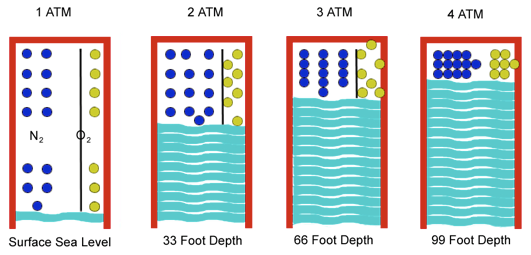
Boyle’s Law, which asserts that, under constant temperature conditions, a gas’s volume is inversely proportionate to its pressure, is one of the cornerstones of fundamental physics. In real terms, this implies that the volume of gas in a diver’s scuba tank decreases as they descend farther under the surface due to the increased pressure. On the other hand, when the diver ascends, the gas is allowed to expand due to the reduced pressure, which may cause buoyancy variations and need adjusting the diver’s buoyancy control device (BCD).

-
The Law of Dalton and Gas Mixtures
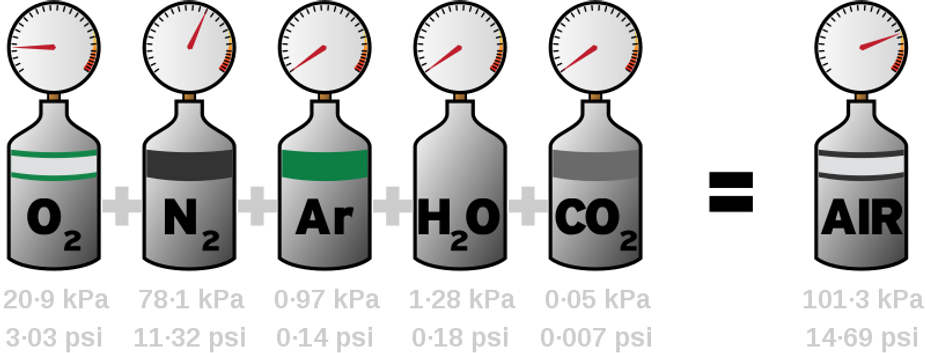
According to Dalton’s Law, the aggregate partial pressures of all the constituent gases in a mixture equal the overall pressure the mixture exerts. This idea is especially important for scuba divers, who inhale compressed air that contains nitrogen, oxygen, and minute amounts of other gases. Knowing Dalton’s Law makes it easier for divers to estimate their nitrogen exposure and control the danger of decompression sickness, which is brought on by sudden fluctuations in blood pressure that cause nitrogen bubbles to develop in the blood.
-
Absorption of Gas and Henry’s Law
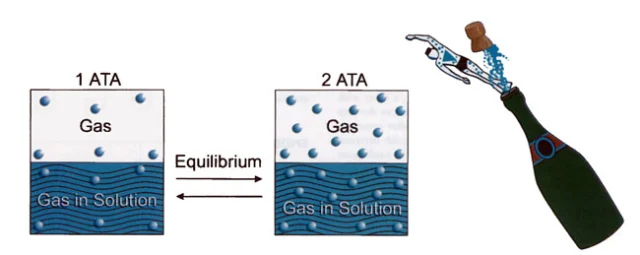
The connection between a gas’s solubility in a liquid and its pressure is explained by Henry’s Law. When a diver breathes compressed air underwater, this rule describes how gases like oxygen and nitrogen dissolve in the body’s tissues and circulation. More gas is taken by the body when pressure rises during descent; if this gas is not adequately handled, this might result in oxygen poisoning or nitrogenosis. To reduce their likelihood of experiencing problems connected to gas absorption, divers train to manage their dive profiles and ascent rates.
Equalization Methods
As divers descend into deeper waters, equalization is critical to avoiding discomfort and even harm to the sinuses and ears. Pressure in the inner ear and the surrounding environment can be equalized thanks to the Eustachian tubes, which join the middle ear to the back of the throat. Divers use a variety of equalization strategies to equalize pressure and avoid barotrauma, including eating, yawning, and softly exhaling through the nose while clamping the nostrils tight.

Pressure and Buoyancy
Underwater buoyancy control is significantly influenced by pressure. The rising pressure causes the air pockets in a diver’s wetsuit and BCD to compress as they descend, decreasing buoyancy and causing the diver to sink. Divers must regulate their breathing and the amount of air in their BCD to maintain neutral buoyancy while accommodating pressure fluctuations. In addition to saving energy, good buoyancy control improves dive comfort and safety.
Comprehending Computers and Dive Tables
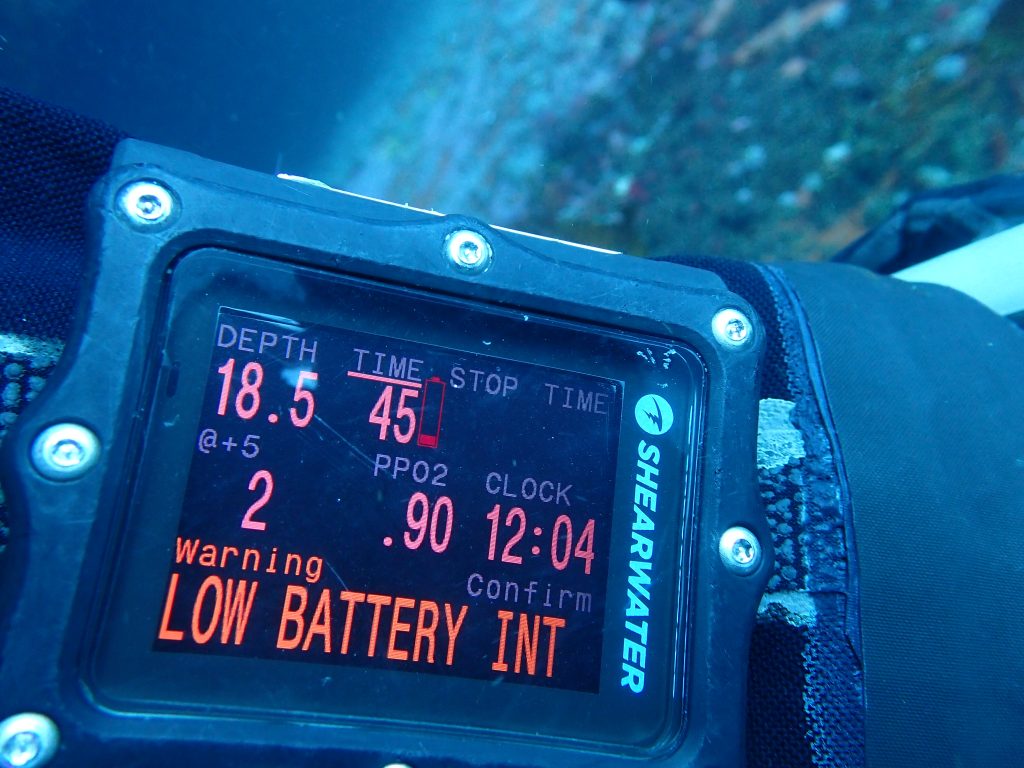
When it comes to organizing and carrying out dives properly, dive tables and dive computers are essential instruments. Based on the depth and time spent below, dive tables offer rules for determining dive durations and decompression pauses. Diving computers, on the other hand, provide real-time data and warnings to assist divers in managing their dive profiles and ascent rates by continually monitoring depth, time, and nitrogen absorption. Divers can reduce the hazards connected with pressure-related problems and fully enjoy their underwater excursions by learning about dive mechanics and using this equipment efficiently.
For safe and effective scuba diving, a basic understanding of pressure science is required. Divers may traverse the underwater environment with confidence and accuracy if they comprehend the fundamentals of Boyle’s Law, Dalton’s Law, and Henry’s Law, and its consequences for buoyancy, equalization, and gas management. The development of fundamental skills and procedures for handling pressure-related difficulties and guaranteeing pleasurable and fulfilling diving experiences is emphasized in dive training programs. Through education, experience, and adherence to scientific principles, scuba divers can discover the mysteries of the ocean and experience once-in-a-lifetime submerged adventures. Happy and safe diving!