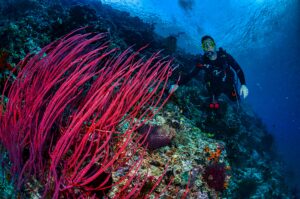
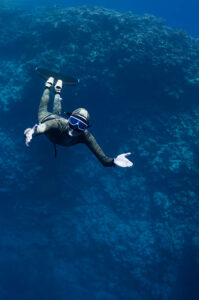
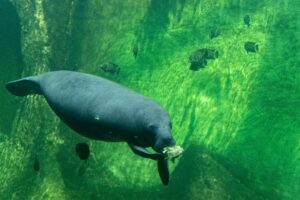
Acknowledging the critical need to protect these delicate ecosystems, the PADI Specialty Course was created by the Professional Association of Diving Instructors (PADI). Giving participants a thorough education on marine conservation and the means to become sea stewards, this course is a beacon for ecologically conscientious diving. From the fundamentals of the PADI AWARE Specialty Course to its real-world uses in the ocean’s depths, we set out to explore all you need to know about it in our article.
Overview:
Divers may learn about environmental conservation and be inspired to actively participate in safeguarding the undersea ecosystem by enrolling in the PADI AWARE Specialty Course. It covers a wide range of subjects, including how human activity affects marine habitats, coral reef ecosystems, and marine conservation.
Structure of Course:
-
The importance of marine conservation and the present environmental issues affecting our seas are briefly discussed in this section’s Introduction to Marine Conservation part. Coral bleaching, overfishing, and pollution are a few possible topics.
-
Participants will gain knowledge of the diverse marine life that resides in coral reefs, as well as the ecosystem services that these ecosystems provide.
-
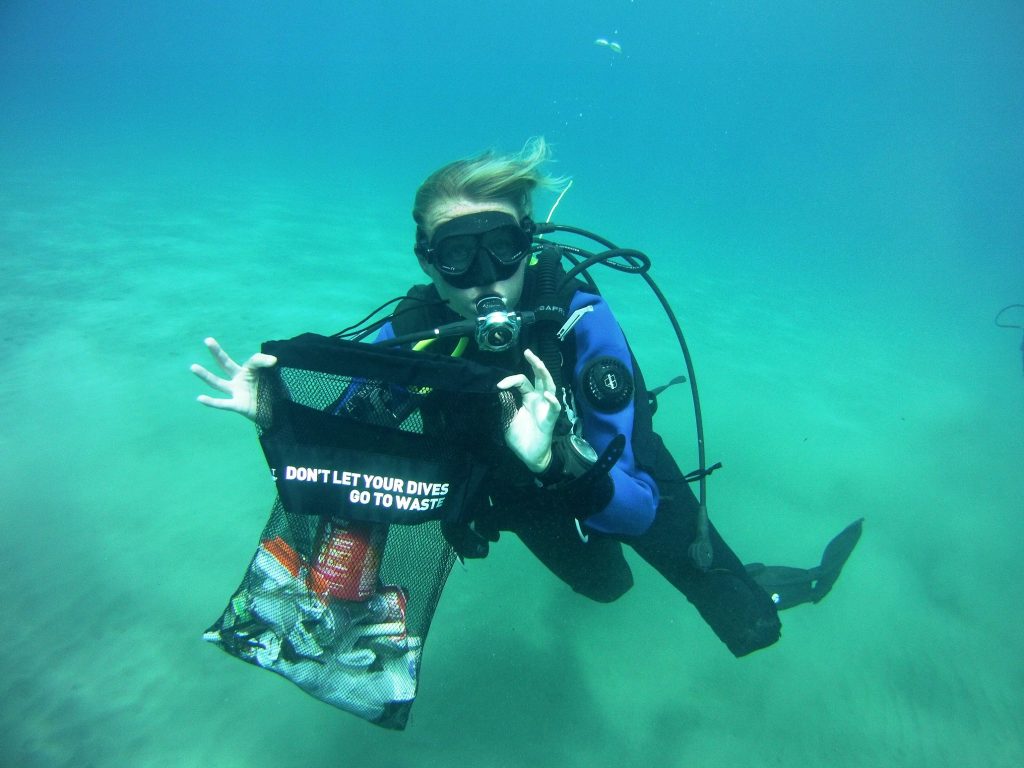
Divers taking part in a Dive Against Debris are part of the course’s practical component, which is frequently included. As part of continuing research to address ocean pollution, participants in this dive learn how to do underwater surveys to locate and remove marine trash.
-
Fish Identification: The key to successful conservation efforts is an understanding of marine biodiversity. This part teaches divers the names of many fish species, their habits, and the value of keeping fish populations healthy.
-
Principles of Responsible Diving: During the activity, participants will learn about the need to maintain good buoyancy control, avoid interaction with marine life, and leave as little of an environmental impact as possible while submerged.
Required conditions
Divers must possess a PADI Open Water Diver certification or an equivalent credential from another accredited training institution in order to register for the PADI AWARE Specialty Course. In order to guarantee that participants have enough underwater experience, certain dive shops may also require a minimum number of logged dives.
Advantages of the Program
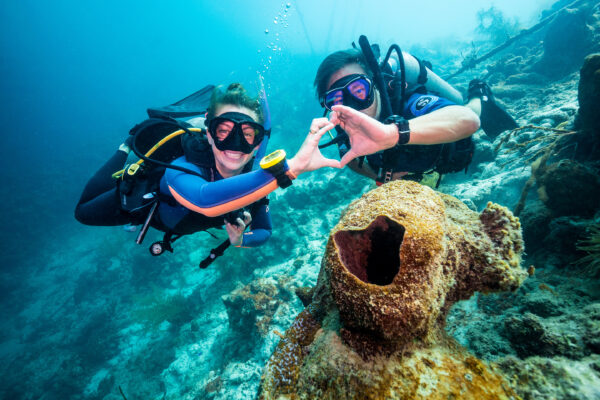
-
Environmental Awareness: Divers can better understand the environmental problems impacting our seas and how they can contribute to their resolution by completing the PADI AWARE Specialty Course.
-
Practical Components: Dive Against Debris dives and other similar activities are frequently included in the course curriculum, giving participants invaluable practical experience in marine conservation initiatives.
-
Personal Development: The training not only helps divers learn more environmentally friendly diving techniques, but it also helps them become more responsible and conscientious divers.
-
Global Impact: Divers support international initiatives to save marine habitats and advance sustainability by taking part in Dive Against Debris and other conservation events.
More than just a diving certification, the PADI AWARE Specialty Course represents a dedication to environmental protection and care. This course equips divers to become champions for our oceans by teaching them about the value of marine ecosystems and giving them the resources they need to have a positive effect. The PADI AWARE Specialty Course gives you the chance to strengthen your bond with the ocean and change the lives of future generations, regardless of your level of experience diving.