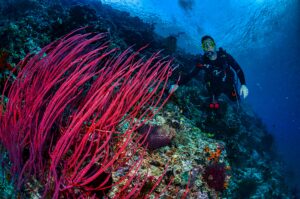
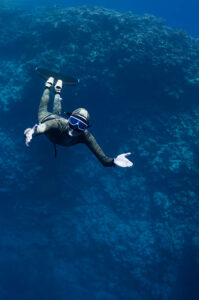
As any experienced diver or snorkeler will tell you, discovering underwater treasures necessitates careful planning, including sun protection. Though they could protect against UV rays, conventional sunscreens seriously jeopardize delicate aquatic habitats. Now for the environmentally friendly option: natural sunscreens. They protect marine habitats’ delicate balance while providing protection from the sun’s harsh rays for snorkelers and divers. Together, we will explore the realm of underwater exploration, where the use of natural sunscreens promotes a mutually beneficial link between environmental preservation and sun safety.
Minerals like zinc oxide and titanium dioxide, which physically filter UV radiation, are commonly found in natural sunscreen formulations. These substances create a barrier that reflects and disperses UVA and UVB radiation from the sun when they are deposited on the skin’s surface. Natural sunscreens offer good protection without endangering coral reefs or marine life, in contrast to artificial sunscreens that penetrate the skin and may have adverse effects on the ecosystem.
Important Things to Know Before Snorkeling or Scuba Diving:
-
It’s important to select a sunscreen that offers water resistance, whether you’re snorkeling at the surface or venturing below to explore the ocean’s depths. Seek out goods with the labels “water-resistant” or “very water-resistant,” since they meet stringent requirements for testing to guarantee their continued efficacy even after coming into contact with water.
-
Choosing a natural sunscreen that offers broad-spectrum protection against UVA and UVB radiation is recommended. UVB rays are the main cause of sunburn, but UVA rays penetrate deeply into the skin and contribute to premature aging. Long lengths of time spent underwater can protect your skin from sun damage by using a sunscreen that blocks both types of light.
-
Reef-Safe Formulation: Diving and snorkeling responsibly requires the protection of marine ecosystems, including coral reefs. Steer clear of sunscreens that include oxybenzone or other dangerous chemicals that have been connected to environmental harm and coral bleaching. Rather, use reef-safe natural sunscreens that don’t include any of these substances.
-
Non-Greasy Formula: Since a non-greasy sunscreen formula won’t leave a film on your skin or gear, it’s perfect for activities that take place underwater. Seek for compositions that are quick to absorb, lightweight, and pleasant to wear without interfering with your diving or snorkeling activities.
-
Hypoallergenic and Non-Comedogenic: Look for a natural sunscreen that is both hypoallergenic and non-comedogenic if you have sensitive skin or are prone to breakouts. These formulas guarantee a worry-free and relaxing session beneath the waves because they are less prone to irritate skin or clog pores.
Best Natural Sunscreen Brands for Snorkeling and Scuba Diving:
-
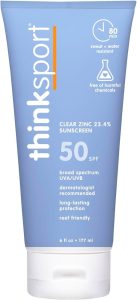
Thinksport: Using non-nano zinc oxide, Thinksport’s SPF 50 sunscreen provides broad-spectrum and water-resistant protection. It is safe for all skin types and devoid of dangerous ingredients.
-
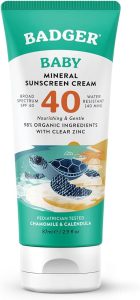
Badger Mineral Sunscreen: Badger provides a selection of zinc oxide-based natural mineral sunscreens. Their products are safe for reefs, ideal for sensitive skin, and water-resistant.
-
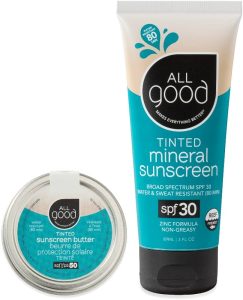
All Good: Made with organic ingredients, All Good’s mineral sunscreen creams and sticks offer long-lasting, water-resistant protection.
-
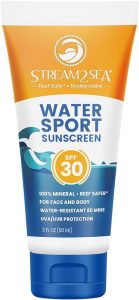
Stream2Sea: This company specializes in environmentally friendly sun protection items made especially for swimmers. Their broad-spectrum sunscreens are safe for reefs, biodegradable, and provide protection.
It is imperative that you shield your skin from the sun’s damaging rays when participating in water sports such as snorkeling or scuba diving. You may take in the beauties of the undersea world while having the least negative influence on the environment by selecting a natural sunscreen that provides broad-spectrum protection, water resistance, and a formulation that is safe for reefs. Make sure the sunscreen you choose fits your unique requirements and tastes, and don’t forget to reapply frequently—especially after perspiring or swimming. You may dive into your underwater excursions with confidence knowing that you’re preserving the marine ecosystems you love as well as yourself when you use the correct sunscreen. Happy and safe diving!