A crucial element that both novice and expert divers sometimes overlook is the “surface interval”, despite the thrill of submerged exploration. Consider it the intermission in an exciting play where the divers surface to refuel, catch their breath, and prepare for another dive. Not only is it crucial for safety, but understanding the role that the surface interval plays in the intricate web of scuba diving is also essential for finding hidden treasures and averting hazards. Explore the surface interval’s depths—a vital aspect of scuba diving—with us.
What’s a Surface Interval, Anyway?
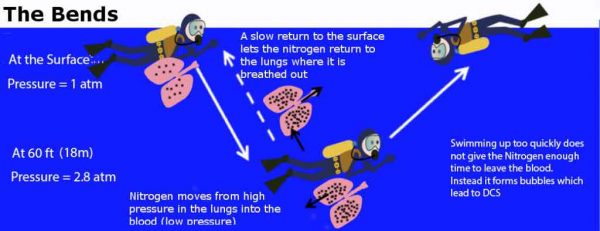
A surface interval in the context of scuba diving is the amount of time spent at the surface between two dives. It is an important pause that lets the body release stored nitrogen, which is necessary to avoid decompression sickness (DCS), sometimes called “the bends.”
The Significance of Surface Interval
-
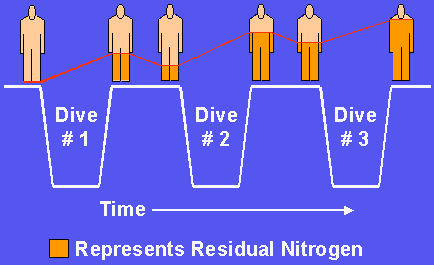
Nitrogen Elimination: The pressurized air that is inhaled via the scuba tank during a dive is what the body absorbs. In the tissues and circulation, this nitrogen dissolves. By allowing for the progressive removal of this extra nitrogen, a surface interval lowers the chance of developing DCS on subsequent dives.
-
Recovery Time: Diving puts the body through physical and psychological hardship. In order to improve performance and awareness on following dives, surface intervals provide divers a chance to relax, rehydrate, and refuel.
-
Preventing tiredness: Diving nonstop without sufficient surface breaks can cause tiredness, which deteriorates judgment and raises the risk of submerged mishaps. Frequent rest periods ensure that divers stay alert and focused during their diving adventures by preventing weariness.
-
Enhanced Safety: One of the most important safety precautions is to include surface intervals in dive planning. Prior to starting their next dive, it enables divers to evaluate their condition, check their gear, and take care of any new problems. This lowers the possibility of mishaps or accidents.
Variables Affecting Surface Interval Length
The length of a surface interval is influenced by many factors:
-
Depth and Length of Prior Dive: Greater nitrogen saturation is the result of deeper and longer dives, which calls for longer surface intervals to ensure proper off-gassing.
-
Nitrogen Absorption Rate: Divers’ individual rates of nitrogen absorption might vary depending on age, fitness level, degree of hydration, and general health. Extended surface intervals can be necessary if the rate of nitrogen absorption is slower.
-
Dive Profiles and Decompression Tables: Dive tables, sometimes known as dive computers, offer rules for figuring out how long a surface interval should last depending on the depth and length of prior dives. Safe diving procedures need adherence to these guidelines.
-
Environmental Conditions: Divers’ physical effort and metabolic rates can be impacted by variables including water temperature, current strength, and surface conditions, which can thus alter how long a surface interval must last.
Suggestions for the Best Surface Interval Control
-
Maintain Hydration: When diving, it’s important to stay hydrated to avoid dehydration, which can worsen the effects of diving stress.
-
Steer clear of Alcohol and Excessive Exercise: Both alcohol and intense exercise can cause cognitive impairment and raise the risk of DCS. Avoiding these activities during surface intervals is recommended.
-
Keep an Eye Out for Symptoms: During surface intervals, keep an eye out for any indications of DCS or other health problems, such as weariness, dizziness, or joint discomfort. If you have any symptoms, get medical help.
-
Organize Surface Intervals Responsibly: Provide enough surface interval time in dive planning, taking into account individual diver variables, dive depth, length, and number.
Knowing the importance of a surface interval in the complex world of scuba diving is essential to diver enjoyment, safety, and well-being. Surface intervals are critical to the success and pleasure of diving excursions because they enhance overall safety measures, allow the body to off-gas nitrogen, and provide much-needed recovery time. In order to dive with confidence and peace of mind, divers must make good surface interval management a priority in both their dive planning and execution. Happy and safe diving!