


After ending your dive, you must wait for a while on the surface after the next dive, this is called a surface interval. So, what is it? Discover the importance of this crucial step and why it’s important for scuba divers.
Scuba diving means you are dealing with nitrogen build-up and pressure gradients while discovering the hidden world of the deep blue Ocean.
At first, you may feel intimidated and when you are wondering about a surface interval. non-diverse and divers under training may not be able to give you the answer.
However, as a novice scuba diver, don’t let these terminologies deter you from exploring the world beneath the waves. Delve into the PADI Open Water diver course and understand the basics of safely scuba diving.
Complete reading this article to know what a surface interval actually is and its important role in scuba diving.
What is a Surface Interval?
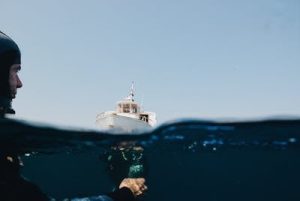
In scuba diving, a surface interval is a name given to the period which the diver spends on the surface between two dives. The importance of this period lies in dissolving back the excess nitrogen that dissolved into the body during the previous dive.
The longer this period, the more nitrogen levels become normal in your body. The length of a surface interval depends on the duration and depth of the previous dive in addition to your dive plan for the next dive, so this period can range from a short break to many hours.
As a scuba diver, you can’t just rush to the surface after diving because the gases that dissolved in your bloodstream need time to dissolve out without forming bubbles.
If you ascend too fast, bubbles may form in your body causing Decompression Sickness. Besides staying within your limits that are explained in the Open Water Diver certification and the slow ascent rate, divers must make a safety stop at 15 feet/5 meters to allow these gases to dissolve out their bodies.
Once you become on the surface, you still have residual nitrogen in your body for a while and the surface interval starts to make it through.
The Changes that Occur in Your Body During the Surface Interval
As we mentioned before, a surface interval is the time that you spend on the surface after diving to allow your body to release the residual nitrogen. In other words, a surface interval is the period in which nitrogen levels return to normal levels after finishing a dive.
The depther and longer your previous dive is, the longer a surface interval you actually need to let nitrogen levels return to normal to be able dive again.
But you should put into consideration how much nitrogen is still there into the tissues. If a surface interval is short, your next dive needs to be shorter to stay within accepted limits, on the other hand, the longer the surface interval, the longer your next dive.
How to Plan for a Surface Interval
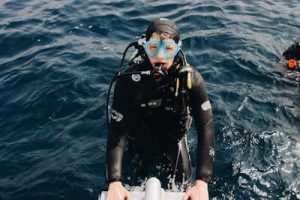
Planning for your dive times and surface intervals is considered simple. Dive computers simplified that very much. During your surface interval after diving, the dive computer will tell you the period that you should stay.
If you want to dive deep, you should stay on the surface much longer. You can do that with the help of dive tables and the apps, but they are rarely used for recreational diving.
Being on the surface is required from you to be well prepared for anything that the natural throws at you.
For instance, if it’s a rainy day, be sure to bring a dry bag with you to keep your things dry. Bring warm clothes with you if you are worried about getting cold and it’s better to stay as dry as possible. On the other hand, if it’s a sunny day, don’t forget to put reef-safe sunscreen and beverages.
What to Do on a Surface Interval
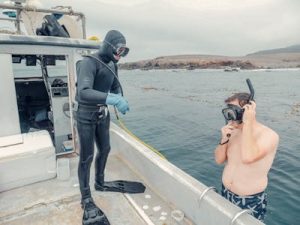
There are several things to do on your surface interval, for example:
- Hydrating.
- Having snacks
- Talking to other divers about your trips.
The surface interval is an opportunity for scuba divers to observe surroundings, communicate with their team or or even plan for the next dive.
You can also take your time to talk to your dive crew. Don’t forget to avoid the immediate heavy exercise after diving and alcohol because you can suffer from Decompression Sickness
If there are some terms in this arctic that confuse you, don’t be intimidated, it’s your perfect time to get your Open Water Diver certification to learn the ABC’s of scuba diving and start your journey underwater.


