


Wreck diving is considered one of exhilarating types of scuba diving, as it’s more extreme than regular diving. You can get the most out of wrecks when you keep yourself out of the danger zone.
Perhaps this type of Diving is so exhilarating because it demands respect. Perhaps because everyone loves to see things -that should be on the top of the water- under the waves.
Whatever the reason, the PADI Wreck Specialty course is regarded as one of the most popular speciality courses. So, in this article, we will give you some key tips about wreck diving. Go along with us.
5 Key Tips for Wreck Diving
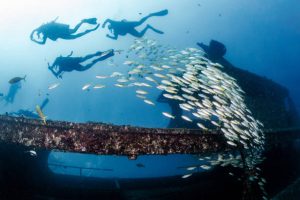
Wreck diving is one of the types of scuba diving that is considered a unique and thrilling experience. Going into a wreck diving trip, you will be allowed to explore sunken planes, ships and other human structures underwater.
However wreck diving can also be potentially dangerous and also challenging. If you don’t be properly prepared and take caution.
To ensure an enjoyable and safe wreck diving adventure. Here are top 5 tips for wreck diving to keep in mind:
- Obtain the proper training and always stay within your level of it.
- Perfect your scuba diving skills.
- When you go through doors, penetration points or holes, turn 90 degrees.
- Know your limits and don’t even exceed them.
- Don’t even feel complacent.
Obtain the Proper Training and Always Stay within Your Level of it
Don’t worry about just being a card collector, earn your PADI Wreck Diver Speciality certification and use it. You will need extra training and practicing on your extra equipment such as, reels and lines to keep your fluid while scuba diving.
Don’t pass the course to only put your certification card in your pocket. The most important thing is to have reliable skills that are well practiced. After all, the plastic card won’t be so helpful if anything goes wrong inside the wreck you have.
Perfect Your Scuba Diving Skills
You should perfectly ingrain your scuba diving skills especially buoyancy skills before penetrating a wreck diving site. The PADI Peak Performance Speciality Course is a good course to start with, then keep practicing your skills until being perfect.
Put your finning techniques into consideration, as they are extremely important, for example kicking your fins in a silty wreck dive spot will affect your visibility to almost zero in no time. So, it’s a must to practice frog kicks or gentle flutters while being a wreck site and be careful to keep all your movements calm.
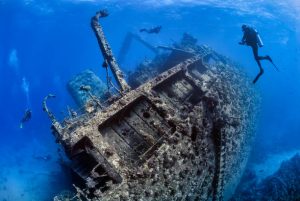
When You Go Through Doors, Penetration Points or Holes, Turn 90 Degree
This is the important one from the five key tips for wreck diving as on turning 90 degree, you protect your first stage from damage when you make your initial penetration.
First stages are very tough especially the DIN system, but this tip is commonly suggested by wreck specialists.
Know Your Limits and Don’t Even Exceed Them
As a scuba diver, you should usually respect your fellow divers’ feelings before a dive. Any scuba diver can cancel a dive without giving any reasons without feeling that the other can judge them and that’s great.
But in reality, you will find that scuba divers themselves ho push themselves far from their limits. When ego and peer pressure push you to sign for at too advanced wreck dive, that can lead you to overestimating your abilities
So, it’s important to honestly assess yourself and if you aren’t sure 100% that the next adventure suits you, you must cancel it and get more training and experience and don’t worry about the dive sites, they aren’t going anywhere.

Don’t Even Feel Complacent
Although you have done this adventure 100 times, you must stay fresh and alert on every wreck dive. Remember all your training and apply it for every wreck dive you delve into.
Planning for a dive makes us feel focused, contingency and relaxed. The role of protocols is to be a muscle memory for anyone wanting to make advanced wreck dives.
After all, we are all regarded as perfect divers when we return to the surface after a perfect dive that nothing went wrong on it, but your true ability becomes clear when you deal with less than perfect situations. So, revise your dive briefing, stick to the dive plane and get busy enjoying the wrecks.


