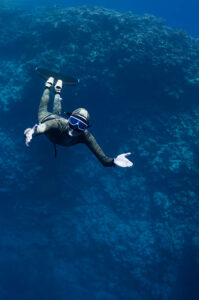
Our entryway into this underwater paradise is the mask, an apparently basic piece of gear that gives us confidence and clear vision while navigating. But wearing a clean, fog-free mask is essential to safe and effective diving—it’s not just about convenience. It’s important to learn how to clean masks, whether you’re a beginner taking your first open-water course or an experienced diver looking to improve.
We will examine the intricacies of mask cleaning in this extensive article, emphasizing its significance, the methods needed to become proficient, and the insider tips and tricks that will improve your underwater experience. A transparent mask is your constant companion during your dives, making every dive an unforgettable experience, whether you’re exploring the calm depths of coral gardens or having thrilling encounters with marine life. So let’s get out on this journey together to learn the techniques for becoming expert mask cleaners for open water divers.
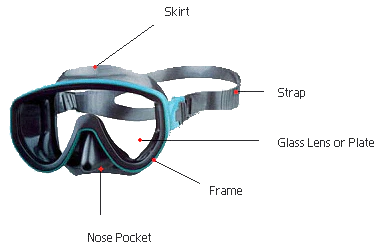
Mask cleaning’s importance
In addition to enabling clear vision and communication with other divers, the mask acts as a diver’s window to the underwater environment. On the other hand, humidity, dirt, or ill-fitting can cause masks to become foggy or opaque. If a clean mask is not used during a dive, it can cause confusion and sometimes dangerous circumstances, compromising both safety and enjoyment.
It is essential to clean masks well for several reasons:
Clear vision is ensured with a clean mask, which enables divers to see marine life, maneuver efficiently, and be aware of their surroundings while submerged.
-
Safety: It’s critical to have clear eyesight in order to spot any threats, keep an eye on dive partners, and react quickly to crises.
-
Comfort: An uncomfortable or unclean mask can distract divers and make the dive less enjoyable overall.
-
Communication: Clear masks improve communication between dive mates by facilitating hand gestures and facial expressions that foster friendship and collaboration.
Learning How to Clean a Mask:
Now that we know the importance of mask cleaning, let’s examine the methodical approach to becoming proficient in this crucial ability:
-
Pre-Dive Preparation:
-
Make sure your mask fits and is adjusted correctly to reduce leaks.
-
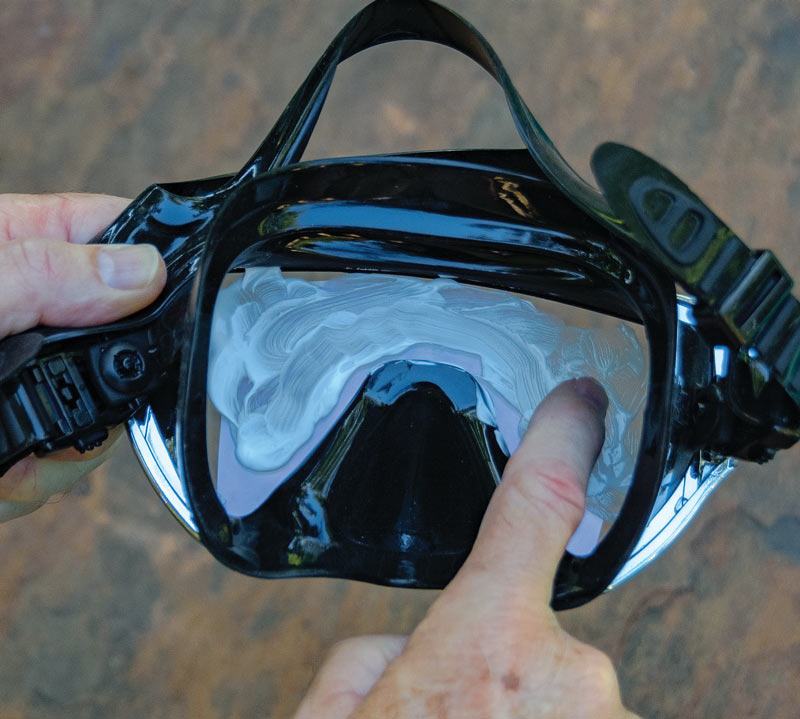
To stop the mask lens from fogging, lightly coat it with saliva or a defogging solution.
-
Examine the mask visually to make sure there are no pollutants or debris present.
-
-
Partially Overflowing and Clear:
-
To let water into the mask when immersed, bend your head slightly forward.
-
Make a little opening for water to enter by pressing your fingertips up against the top of the mask frame.
-
To fill the mask with water, softly inhale through your nose.
-
Tip your head back slightly and blow out through your nose hard to push the water out of the mask.
-
-
Complete Flood and Clear:
-
Tilt your head forward to let water inside the mask, just like with the partial flood.
-
This time, let the water fill the mask all the way.
-
Look up, press the top of the frame against your forehead, and forcibly exhale through your nostrils to remove the mask.
-
-
Taking off and replacing the mask:
-
Underwater, practice taking off and putting on your mask to mimic situations you could encounter.
-
To keep the mask strap from being twisted or misplaced, make sure you have a good hold on it.
-
As you replace the mask, use your free hand to hold your nose to equalize pressure.
-
-
Constant Refinement and Practice:
-
Throughout training sessions and diving excursions, practice cleaning your mask on a regular basis.
-
Try out a variety of methods and approaches to see what suits you the best.
-
Underwater, concentrate on being cool and collected. Anxiety might make it difficult to clean your mask efficiently.
-
Advice for Achievement:
To further improve your mask cleaning skills, take into consideration the following advice in addition to learning the aforementioned techniques:
-
Calm down and unwind: Stress and anxiety might make it harder to perform mask-clearing techniques correctly. To remain calm under water, use deep breathing exercises and relaxation techniques.
-
Equalize Pressure: To avoid pain or damage, equalization must be done correctly before removing your mask. As you go through the procedure, don’t forget to equalize your sinuses and ears.
-
Practice Buoyancy Control: You can perform mask-clearing techniques gradually and without suddenly rising or falling by maintaining neutral buoyancy. To improve this ability, do buoyancy control drills.
-
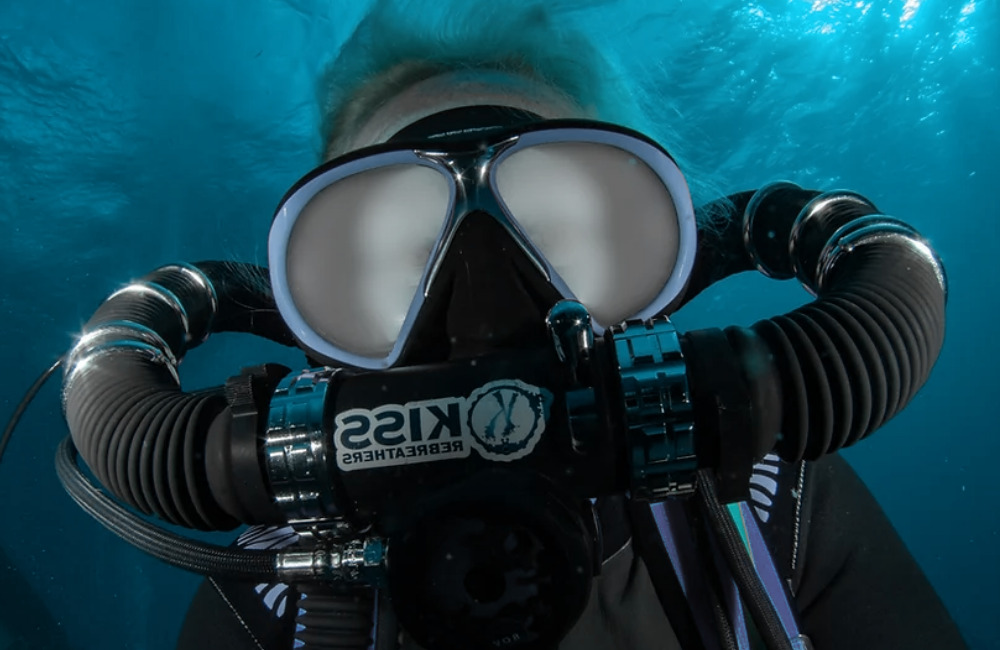
Purchase High-Quality Equipment: Comfort and visibility underwater may be improved with a well-fitting mask featuring tempered glass lenses and a premium silicone skirt. Select a mask that offers a tight seal and fits the contours of your face.
-
Keep the Environment in Mind: When conducting mask cleaning exercises, stay away from harming or upsetting delicate aquatic life. When diving, honor the submerged environment and make an effort to leave no trace.
Remember that mastery is not attained in a single dive but rather through commitment, practice, and a deep-seated love of the ocean, regardless of whether you’re taking your first open-water course or refining your skills as an experienced diver.
That’s why, as you are ready to dive down into the blue depths again, let your mask be your constant friend, helping you navigate the currents and shedding light on the mysteries that lie ahead. May you get completely engrossed in the wonder and beauty of the undersea world, captivated by its unending attraction with every breath, movement, and clearing technique! Happy and safe diving!