Stopping a free flowing regulator is considered a common problem that you might face in your diving carrier. You may feel nervous when this happens to you since air is considered a diver’s lifeline underwater.
A free flowing regulator has been one of the top causes of incidents that are related to ascent because divers tend to shoot to the surface following a free flowing regulator, throwing caution to the wind but that may be just about the worst thing that can be done.
First, do you know how a scuba regulator works for a diver? Well, a scuba regulator acts as a lifeline between a diver and the air source during a dive.
The regulator is the part connected to the gas cylinder where oxygen is inside the cylinder tank. The regulator’s job is to normalize the pressure of the air into a safe level every time a diver inhales through the mouthpiece.
Having a free flowing regulator means you will lose control over how much air is put out which is a great waste of precious gas.
There are many reasons to suffer from a free flowing regulator, such as
- Diving in cold waters (the main reason).
- Having a faulty piece or a poorly maintained one.
- Having salt, sand or other debris into the regulator.

When breathing from a regulator, the inhalations will lower the pressure of the second stage that causes the diaphragm to get pulled in and the airway opens.
To lower that effect, the venture effect is made to be used by many regulators which is a process in which we use high-speed gas to maintain an area that has low pressure. When your regulator is in free flow that means that the Venturi effect takes over.
The second stage of the regulator is designed to be safe from failure, which means that if anything fails inside it, it will flow continuously instead of stopping to work.
So, if you face this SCUBA gear problem underwater, here are effective tips to respond in order to keep breathing safely.
Breathing from a Free Flowing Regulator
You can breathe from the free flowing air while streaming out of the regulator, but this technique needs time to well practice and be comfortable while doing so.
Practicing it in a controlled environment under safe conditions will be very useful to know what to do if that happens to you in an actual scuba diving scenario.
To be able to breathe from the free-flowing air, you need to tilt your head to the right where the regulator hose is and firmly keep it in while you take the left side of your mouthpiece off.
Then press the purge button while using your tongue as a splash guard. This can prevent choking on water. Take numerous breaths from your regulator. If you do it correctly, you will find some air rushing out, which you can inhale. Practice it until mastering.

Options for Free Flowing Regulators
- You can switch to the bail-out gas if you are carrying a pony tank.
- If you don’t have bail-out gas, just keep calm and switch to the alternate air source of your buddy because you will lose air quickly.
- Take several breaths, then access your situation and end your dive safely with your dive buddy if you need that.
How to Prevent a Free Flowing Regulator?
You will find that the most modern regulators are designed to provide excellent and reliable performance. This technology has evolved throughout the last years, giving scuba divers the ability to breathe and mostly with less effort underwater that pioneers of Diving could only dream of.
On the other hand, you should service your diving regulator regularly to prevent the problem of proning to wear and tear.
What you can do is to ensure your gear gets regular TLC. If you don’t use it for a long time, service it at least a month before the next dive. Also put into your consideration that freshwater can cause a regular free-flow more than saltwater.
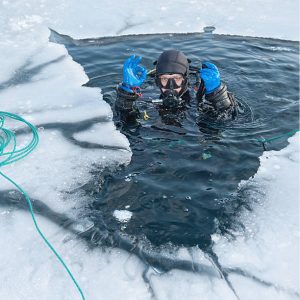
When you dive in cold water, check for moisture before diving in order to avoid any freezing in cold air, then take your first breaths while submerged in shallow water immediately before diving.
You should also put into consideration buying regulators that are designed especially for cold water with a whole host of preventative measures to prevent free flows. This is a benefit for scuba divers who regularly work in cold conditions.
For your next dive adventure, ensure to have a good dive plan and be sure that your scuba diving equipment is in mint condition. Remember to have a dive buddy that you can trust well. Other tips include buying safety Gear and an alternative for air sources.