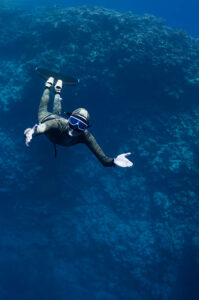
Dive into the depths and experience a unique combination of hazards and challenges that accompany the appeal of underwater exploration. Aspiring divers learn vital skills to successfully overcome these obstacles in open-water diving courses, and one of the most important aspects of their training is the “5-Point Descent”.
A methodical way to guarantee a seamless and managed descent from the surface to the undersea environment is the 5-point Descent method. It teaches divers to plunge into the unknown with a disciplined regimen that includes essential safety inspections and pre-exposure preparations. In order to appreciate each element of this approach in the context of open-water scuba diving classes, let’s take a closer look at each one.
1. Equalization: Guaranteeing Pressure Parity
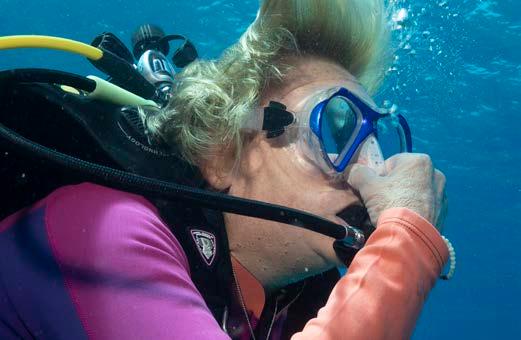
Equalization, a crucial component of diving physiology, is the subject of the first point of the 5-Point Descent. The pressure of the surrounding water increases as a diver descends, applying force on various parts of the body, especially the sinuses and ears. Inadequate pressure equalization may result in pain, discomfort, and maybe more serious problems including barotrauma.
Divers who master equalization learn how to open their Eustachian tubes, which let air in and balance the pressure. One common treatment is the Valsalva maneuver, which involves pinching the nose and softly blowing to equalize. Divers can reduce the possibility of ear damage and pain and provide a more comfortable descent by maintaining pressure parity.
2. BCD Inflation: Reaching Sturdy Consistency
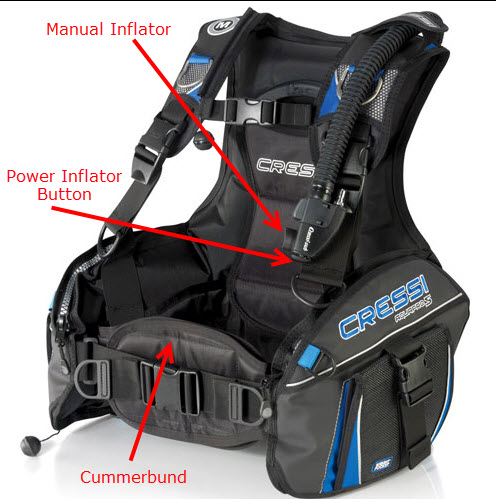
The use of buoyancy control devices, or BCDs, is essential to a diver’s capacity to control buoyancy and depth. Divers inflate their BCDs before they descend in order to attain positive buoyancy at the surface. This offers a safety net in case of unforeseen circumstances in addition to guaranteeing buoyancy.
Before delving further, inflating the BCD acts as a functional check to ensure it is operating correctly. Divers who have mastered BCD inflation may create buoyant stability, which paves the way for controlled descents and ascents during the dive.
3. Breathing Assurance Regulator Check
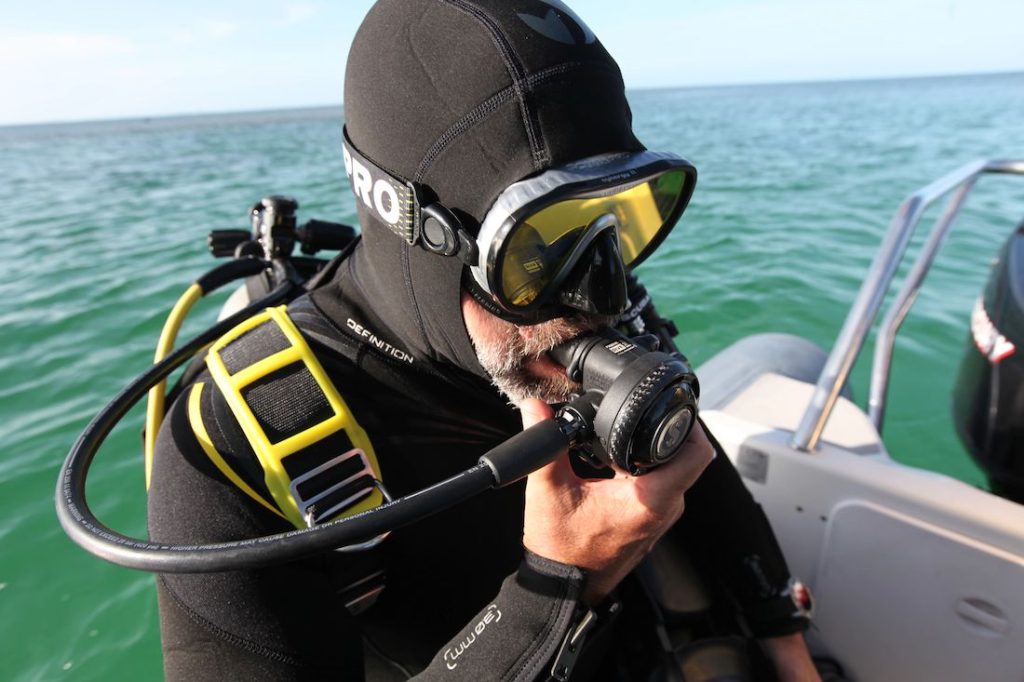
For divers, the regulator provides the vital oxygen supply that keeps them alive underwater. Divers carefully inspect their regulators to make sure they are operating properly and that airflow is flowing freely before starting the descent.
Divers can test the responsiveness and dependability of the regulator by inhaling it a few times. This stage gives comfort since it verifies that the vital gear is ready for the next dive. This check is a non-negotiable component of the 5-Point Descent because a defective regulator may mean tragedy underwater.
4. Weigh-In: Equilibrium Buoyancy
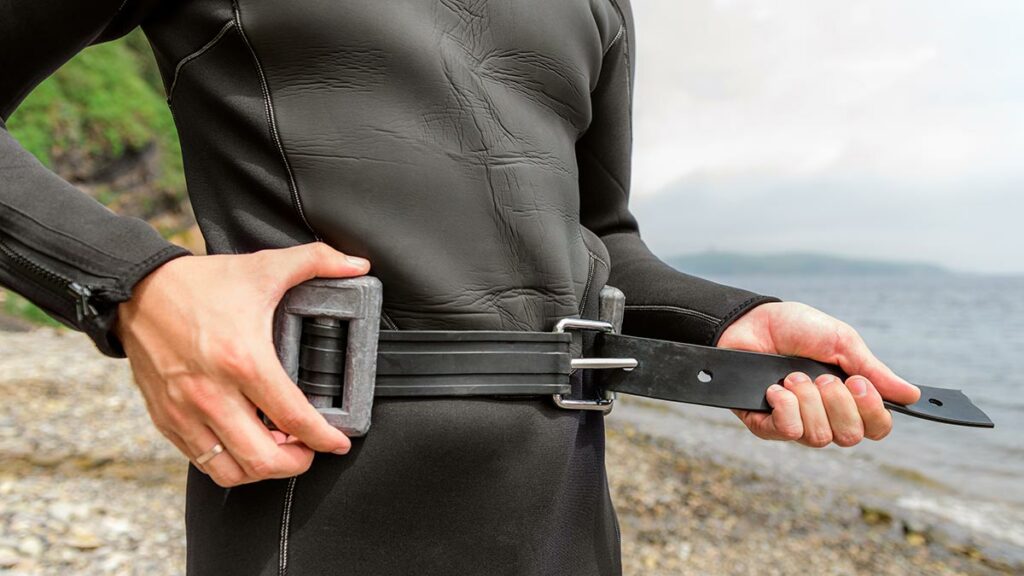
It takes careful balancing between the diver’s weight and the buoyant forces of the water to achieve neutral buoyancy. Divers evaluate their weight arrangement carefully before descending to make sure it meets their buoyancy requirements.
Divers try to attain neutral buoyancy at deep by adjusting weight belts or integrated weight systems, which enables effortless movement and energy conservation. The diving experience is improved when the weight distribution is adjusted appropriately since it improves comfort and control for the diver.
5. Visibility Check: Examining the Submerged Environment
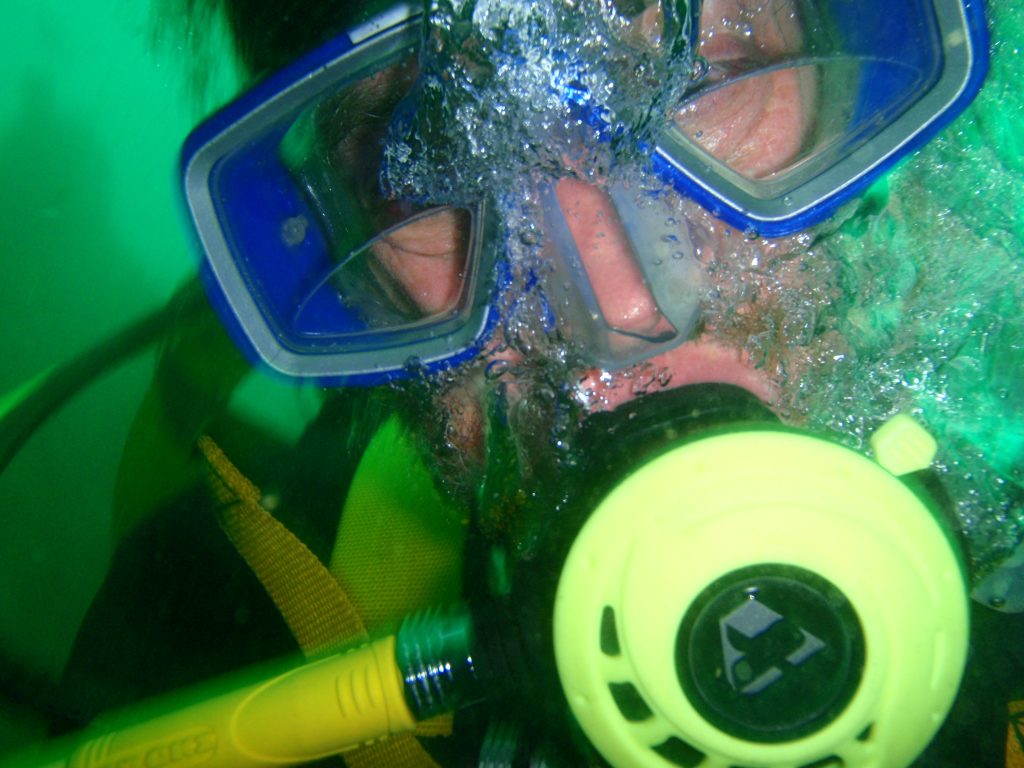
Situational awareness and readiness are emphasized in the 5-Point Descent’s last point. Scuba divers pause to examine their surroundings and gauge visibility before making the plunge. Maintaining communication with dive partners, keeping an eye out for any threats, and skillfully traversing underwater terrain all depend on clear sight. Divers may ensure a safe and happy dive experience by doing a visibility check, which allows them to foresee obstacles and make educated decisions.
Understanding the 5-Point Descent is more than simply a procedural exercise in open-water scuba diving classes; it’s a vital ability that enables divers to explore the undersea world in safety and confidence. Divers reduce dangers, improve control, and get the most out of the water by following this methodical strategy.
The 5-Point Descent’s teachings provide a light of wisdom for prospective divers as they set out on their underwater expeditions, encouraging readiness, accountability, and reverence for the treasures that await under the surface. Divers find new horizons for exploration and adventure with every dive, strengthening their bond with the sea. Happy and safe diving!