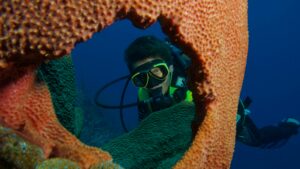
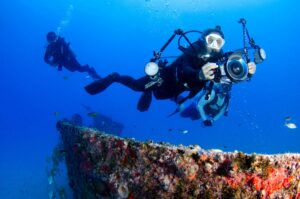
You find yourself immersed in the calm depths of the ocean, encircled by the captivating dance of aquatic life. Your regulator hisses and an unreasonably large amount of air shoots out. The realization that you are in a free flow regulator position makes your heart beat; this is a scary condition for every scuba diver. Nevertheless, in open water courses, divers purposefully create this same difficulty, going through 30 seconds of chaotic simulation before emerging with the abilities and self-assurance required to navigate the unknown depths. In open water scuba diving training, every breath counts and every second counts. Come explore the world of handling free flow regulators with us.
What is the situation of a free-flow regulator?
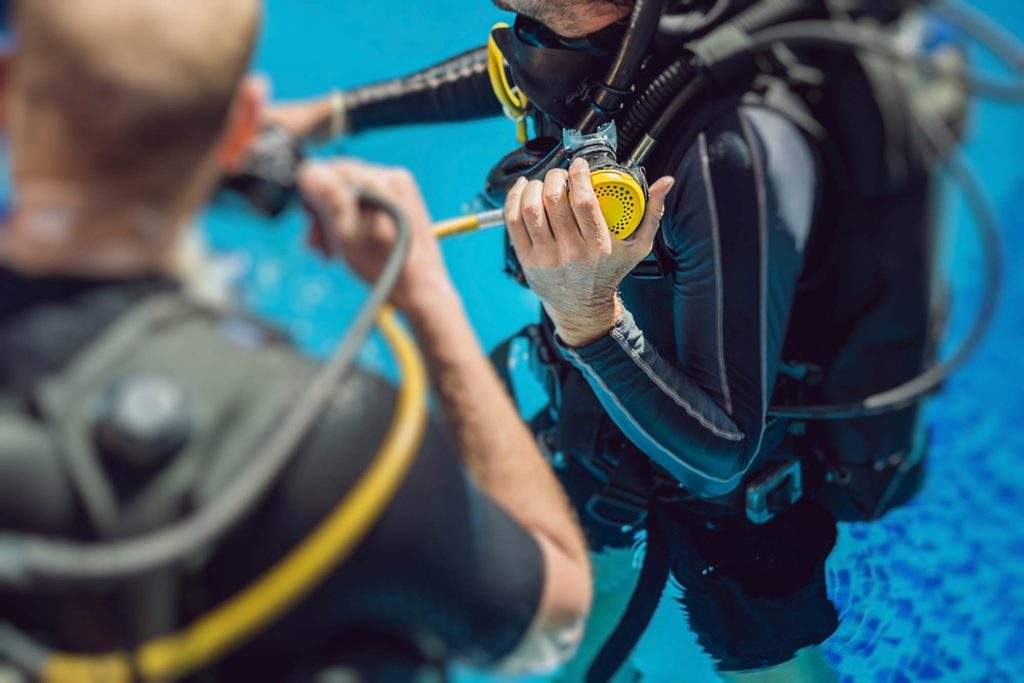
When a scuba regulator malfunctions and releases air uncontrollably, the diver is put in a free-flow regulator predicament. The regulator is what transfers, air from the tank to the diver. Numerous variables, such as ambient conditions, faulty maintenance, or equipment failure, may cause this. A diver may experience a number of risks when a regulator free flow, such as reduced gas consumption, problems with buoyancy control, and loss of breathing gas supply.
The goal of the Exercise:
Instructors frequently incorporate a training exercise in open water scuba diving courses when divers purposefully create a free flow regulator scenario for around 30 seconds underwater. The exercise’s goal is to acquaint divers with the sensation of a free flow and teach them how to react composedly and skillfully, even if this may appear contradictory.
Principal Goals:

-
Safety Awareness: Through participating in a controlled, simulated free flow, divers may increase their awareness of potential equipment failures and learn how to spot the warning indications of a free flow emergency.
-
Skill Development: By practicing breathing techniques, breathing under pressure, and following protocols, divers can develop critical abilities for controlling and minimizing free flow conditions.
-
Building Confidence: Divers may respond more quickly and forcefully in comparable scenarios if they practice managing free-flow situations. This helps them feel more confident and prepared to dive.
-
Collaborative efforts and efficient communication among dive companions are underscored by this practice. When there are problems with their equipment, divers learn to help each other out by sharing backup air supplies.
Instruction Procedure:
Instructors thoroughly inform participants prior to the exercise, outlining the goal of the activity, safety procedures, and the procedures for creating and handling a free flow regulator scenario. Divers are outfitted with backup breathing apparatuses, like octopuses, to guarantee they have access to oxygen at all times throughout the workout.
In the activity, divers purposefully adjust their regulators to create a free flow, which lets air out uncontrolled for around thirty seconds. Instructors keep a careful eye on the divers’ activities and offer advice and criticism as required. Divers get practice in maneuvers including controlling the free flow while maintaining buoyancy control, transferring to a different air source, and stopping the malfunctioning regulator.
Safety precautions:
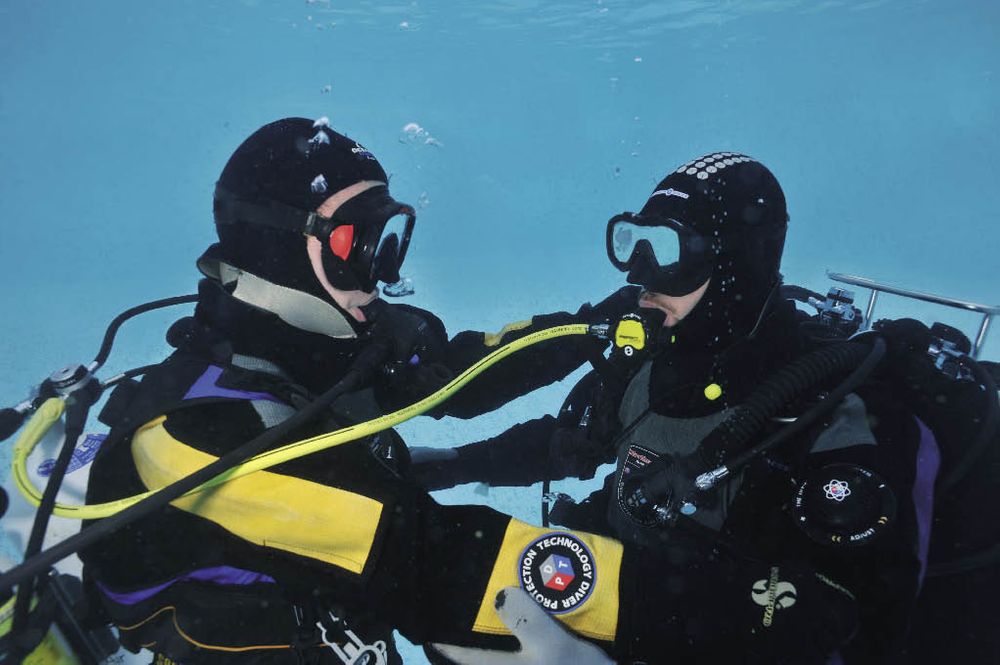
Instructors take several precautions to reduce dangers and provide a controlled learning environment since safety is of the utmost importance during the free flow regulator exercise. These might consist of:
-
Buddy System: Divers are matched with friends who can help and console them in an emergency.
-
Close Supervision: Teachers keep a close eye on the activity and are prepared to step in if any participant is having trouble or feels distressed.
-
Pre-Dive Equipment inspections: Divers make sure all of the equipment is in working order by doing comprehensive equipment inspections before the exercise.
-
Emergency Protocols: During the exercise, participants receive a briefing on emergency protocols as well as backup plans in case something goes wrong.
An important feature of open water scuba diving courses is the free flow regulator exercise, which gives students the confidence and abilities they need to handle equipment failures. Through the implementation of controlled scenarios that mimic real-world situations, divers acquire the skills necessary to maintain composure, speak clearly, and follow the right protocols to protect themselves and their dive partners. Through thorough instruction and practice, divers may improve their overall diving experience and pleasure by becoming more equipped to face the difficulties of real-world diving scenarios. Happy and safe diving!