There is a critical point in every diver’s training adventure in the realm of scuba diving—a point at which time seems to stop and your breath is all that stands between you and the open ocean. Imagine spending an eon-long minute floating still in the water column, balanced just so by careful breath control. It goes beyond simple underwater gymnastics to become proficient in the ability of “hover orally for 1 min,” a fundamental skill in open-water scuba classes. Come discover the significance of this practice that seems straightforward yet has the potential to change lives drastically. We’ll explore the fascinating world under the waves and learn about the fundamentals of environmental stewardship and buoyancy mastery.
Comprehending Oral Hovering:
In order to perform the talent of hovering orally for one minute, divers must be able to stay stable and buoyant in the water using just their breath control. In contrast to other buoyancy control workouts that could require divers to wear fins or a buoyancy control device (BCD), this exercise deprives them of all outside assistance, forcing them to depend only on their breathing methods and lung capacity.
The Method:
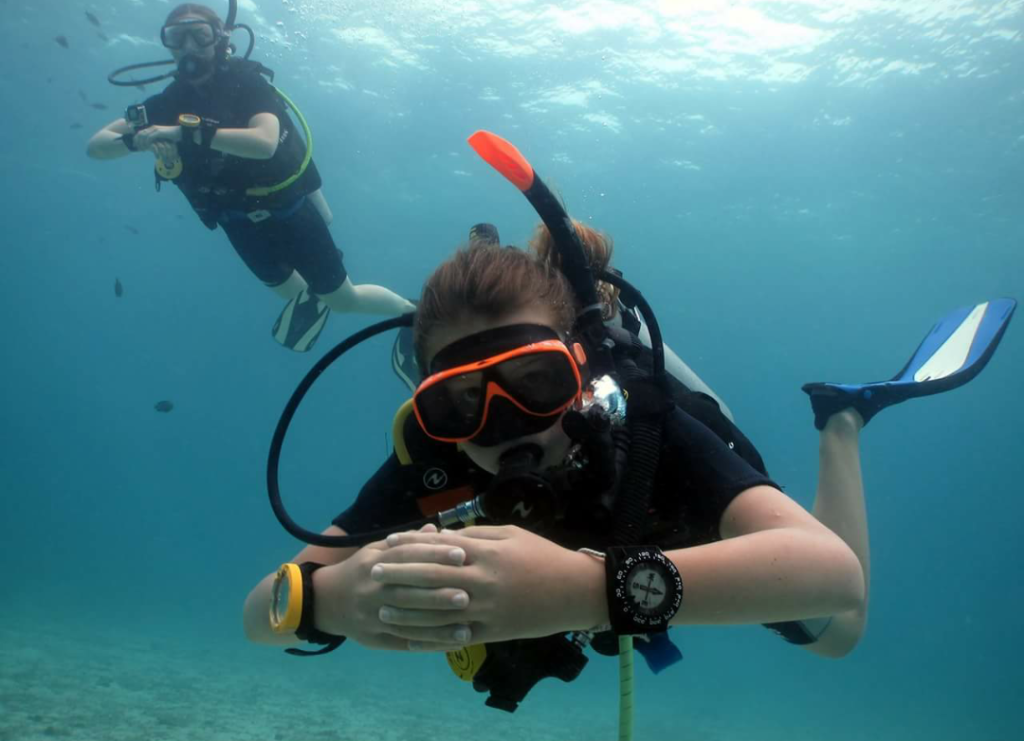
The hover exercise is usually given verbally to students in scuba diving courses once they have mastered fundamental underwater abilities including mask cleaning, regulator retrieval, and buoyancy changes. The ability to control buoyancy is emphasized by instructors because it is necessary for energy conservation, maintaining the right depth, and engaging with marine creatures in a responsible manner.
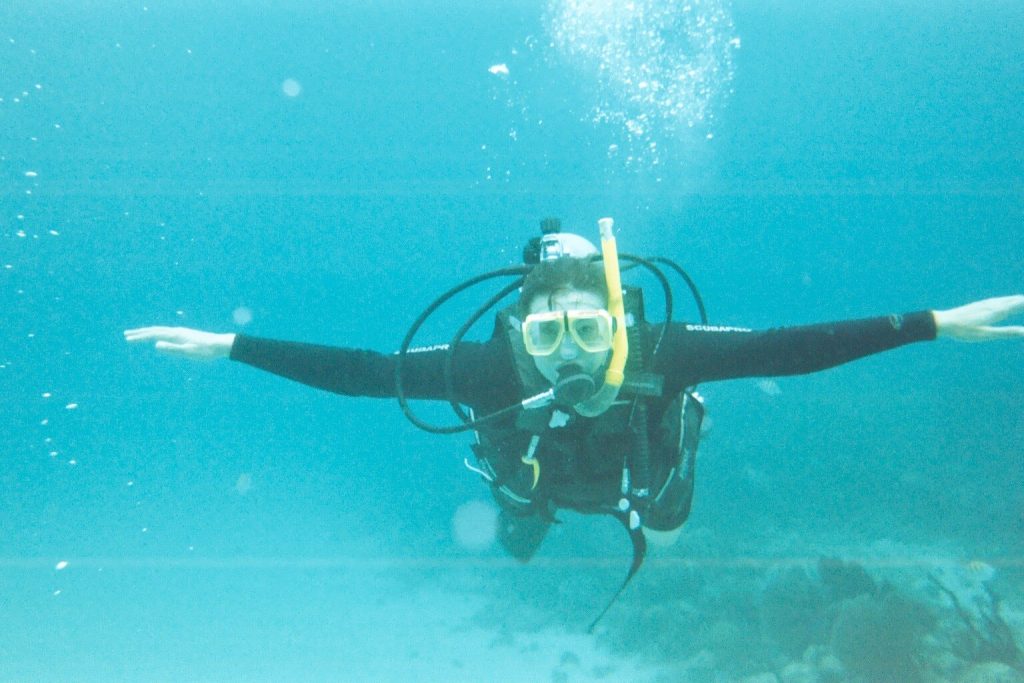
The diver assumes a horizontal posture in the water column and maintains a constant depth parallel to the surface to begin the hover orally exercise. Divers manage their buoyancy by adjusting the amount of air in their lungs while wearing regulators in their lips and refraining from using their fins. Achieving neutral buoyancy, in which the diver exhibits exact control over their location in the water by neither rising nor falling, is the goal.
Significance in Open-Water Courses:
A diver’s training adventure reaches a significant milestone when they hover orally for one minute. It denotes a move from fundamental abilities to more sophisticated methods, emphasizing the diver’s preparedness to autonomously explore open-water situations. This ability is crucial to the study of scuba diving for the following main reasons:
-
Buoyancy Mastery: Oral hovering requires divers to hone their buoyancy control to an astounding extent. Divers master the art of neutral buoyancy, which is essential for navigating a variety of underwater settings without upsetting sensitive ecosystems, by controlling their breath and body posture.
-
Energy conservation: By reducing energy use, effective buoyancy control enables divers to spend more time exploring underwater. Gaining proficiency in oral hovering allows divers to minimize their environmental impact while diving longer and more pleasurable. It also conserves valuable oxygen supply and reduces tiredness.
-
Environmental Awareness: Divers gain a strong feeling of environmental responsibility and awareness via the hover oral exercise. Divers get a fresh respect for the fragile balance of marine ecosystems as they float motionless in the sea. Because of this increased knowledge, divers are encouraged to reduce their influence on underwater environments by fostering a culture of environmental stewardship.
-
Safety Precaution: Diver safety and environmental conservation both depend on neutral buoyancy. Divers lower their chance of unintentionally coming into touch with potentially dangerous marine animals or submerged obstructions by keeping a steady posture in the water. Precise buoyancy control also makes it easier to perform ascending and descent techniques, which increases dive safety overall.
-
Building Confidence: Divers who successfully complete the hover orally exercise feel a sense of achievement and confidence. It encourages students to seek out more instruction and exploration by confirming their mastery of the core diving abilities. This self-assurance is priceless as divers explore more difficult dive locations and come across a variety of underwater environments.
One of the most important skills a diver may acquire in the field of scuba diving instruction is the ability to hover orally for one minute. It’s not just a workout; it’s the embodiment of the fundamental concepts of environmental stewardship, breath control, and buoyancy control. Deep regard for the marine environment is developed by divers as they hone this ability, which also increases their safety and effectiveness underwater. With the knowledge that this exercise opens doors to an exciting underwater world of diving experiences and lifetime learning, aspiring scuba divers might aim to become proficient in the hover orally. Happy and safe diving!