Although diving to the bottom of the ocean is an exciting experience, there are hazards and responsibilities involved. Careful planning is essential for a safe and pleasurable underwater adventure, regardless of diving experience level. To become a proficient diver in open-water courses, one must learn dive planning in conjunction with the Recreational Dive Planner (RDP).
Comprehending Dive Planning:
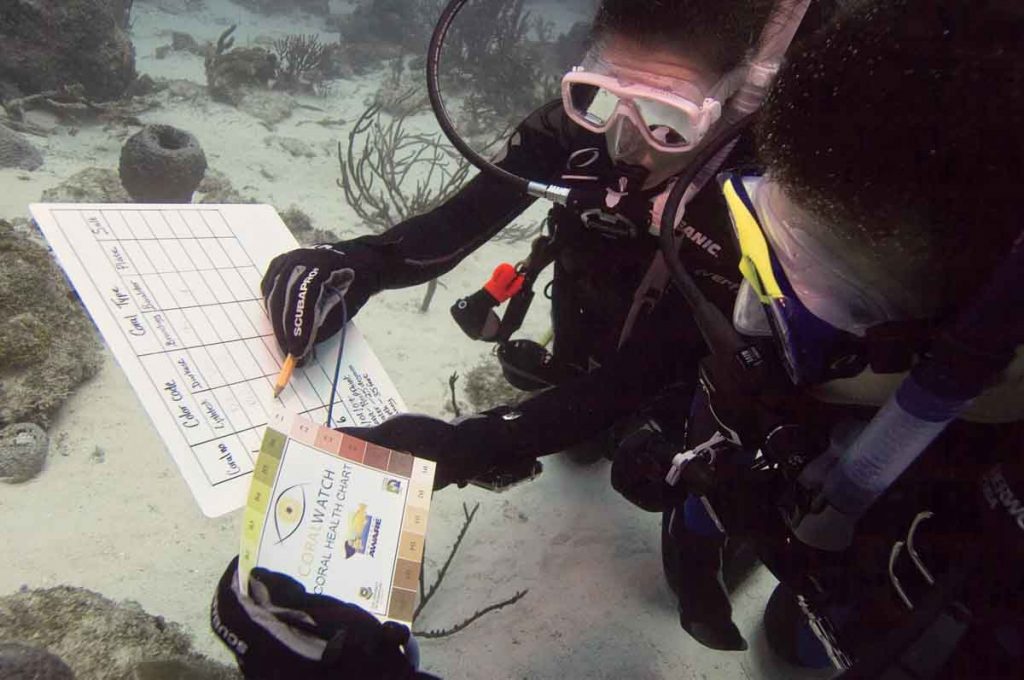
Knowing How to Plan a Dive: To reduce hazards and guarantee a pleasant underwater experience, dive planning is a methodical procedure that includes evaluating a number of variables prior to, during, and following a dive. An outline of the key components of dive planning is provided below:
-
Define the dive’s objectives clearly, including if it’s for scientific study, recreational exploration, or underwater photography.
-
Selecting a Dive Site: As you consider depth, current, visibility, and marine life, pick dive locations that are appropriate for your level of expertise.
-
Conditions below the water: To prepare for the dive, check water temperatures, tide patterns, and weather forecasts.
-
Prepare your equipment: Make sure everything is in working order by inspecting and assembling your diving gear. Bring along necessary safety gear such as signaling devices, surface marker buoys, and dive computers.
-
Buddy System: Go diving with a friend and pre-plan your emergency protocols and lines of communication.
-
Gas Management: Scheduled depth, bottom time, and safety stops should all be taken into account when calculating your gas use. Bring enough air or gas mixture with you for the dive at all times.
-
Learn the emergency protocols, including buddy aid, buoyancy control, and ascending procedures, so that you are prepared for any crises, including equipment failure.
The Recreational Dive Planner’s (RDP) Function:
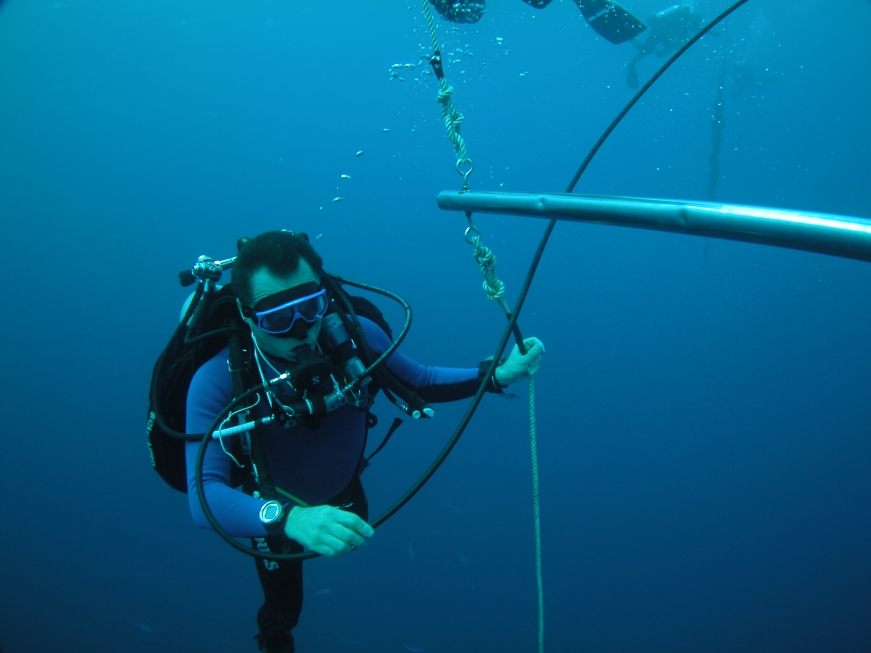
One essential tool used by divers to plan and carry out safe dives under no-decompression constraints is the Recreational Dive Planner or RDP. The RDP operates as follows:
-
Decompression Theory: The theory that describes the connection between depth, time, and the body’s assimilation and excretion of nitrogen during a dive is the basis of the RDP.
-
No-Decompression Limits: The maximum bottom time permitted at certain depths without necessitating decompression breaks during ascent is specified by a set of tables or computer algorithms provided by the RDP.
-
Safety Stops: To enable nitrogen off-gassing and lessen the danger of decompression sickness, the RDP includes safety stops, usually at depths of 15 feet (4.6 meters) or shallower.
-
Planning Dive Profiles: To make sure they stay within no-decompression restrictions, divers utilize the RDP to plan dive profiles by choosing a maximum depth and associated bottom times.
-
Conservative Planning: Many divers choose conservative dive planning to increase safety. This type of planning includes choosing greater depths than intended or lowering the maximum permitted bottom duration to act as a buffer against possible nitrogen buildup.
Combining RDP with Dive Planning in Open-Water Courses:
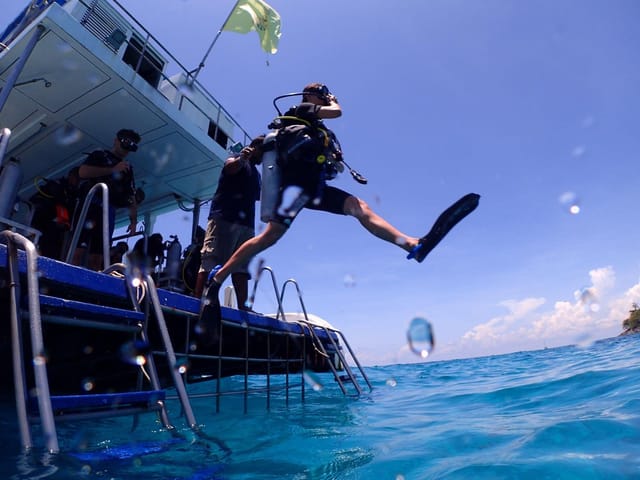
Instructors stress the value of dive preparation and RDP use from the outset of training in open-water courses. These ideas are included in the curriculum in the following ways:
-
Classroom Instruction: Through lectures, presentations, and interactive discussions, students learn the fundamentals of dive planning, decompression theory, and RDP usage.
-
Exercises that are Practical: Under the guidance of an instructor, in-water lessons concentrate on using dive planning techniques and utilizing the RDP to compute dive profiles, control gas consumption, and carry out simulated dives.
-
Scenario-Based Training: In a safe setting, students may hone their emergency reaction, critical thinking, and decision-making abilities by engaging in activities that mimic real-world diving scenarios.
-
Certification Requirements: Completing open-water training successfully usually entails proving your expertise in safe diving procedures, RDP use, and dive planning via written tests, skill evaluations, and open-water dives.
Divers gain the knowledge, abilities, and self-assurance needed to responsibly and securely explore the undersea environment by becoming proficient in dive planning alongside the Recreational Dive Planner in open-water courses. To ensure that you minimize hazards and maximize your enjoyment under the waters, remember that preparation is the key to unlocking great diving encounters. Happy and safe diving!