An adventurous journey into the underwater realm, scuba diving needs a strong foundation in safety and expertise. The Controlled Emergency Swimming Ascent (CESA), especially the vertical CESA, is an essential aspect of this training. For open-water divers, this move is crucial because it allows them to safely ascend to the surface in the case of an out-of-air situation. Comprehending and becoming an expert in the CESA vertical is not only legally necessary, but also an essential life-saving ability.
Comprehending the CESA Vertical
Basic open-water certification classes teach the Controlled Emergency Swimming Ascent or CESA method. It is intended to be utilized in situations where a diver is too far away from a dive companion to exchange air and runs out of air at deep. With the vertical CESA, expanding air in the lungs is securely expelled to prevent barotrauma while climbing straight to the surface and continually exhaling.
The Value of Constant Exhalation
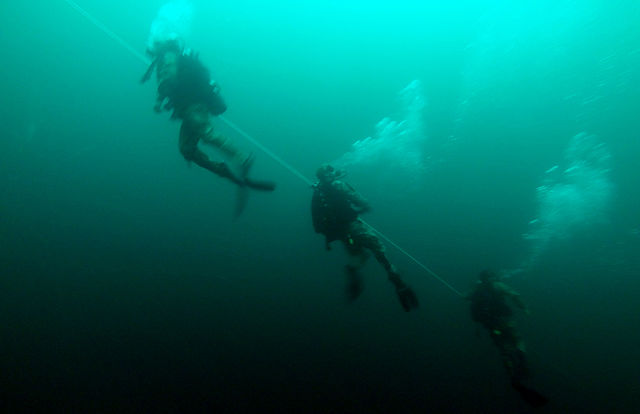
The constant exhale of air is one of the core tenets of the CESA vertical. Any air left in the lungs expands when a diver ascends because the pressure drops. Lung over-expansion injuries can result in death if the expanding air is not released. Because of this, divers are taught to inhale slowly and release a stream of tiny bubbles as they ascend, making sure that their lungs are never overfilled.
How to Conduct an Effective CESA Vertical
-
Acknowledge the Emergency: The first thing to do is admit that you are running low on air and won’t be able to get to a friend in time. This insight should lead to quick action.
-
Retain Calm: Refrain from panicking. Fear can cause dangerously quick, uncontrollable ascents. Remain composed and unhurried.
-
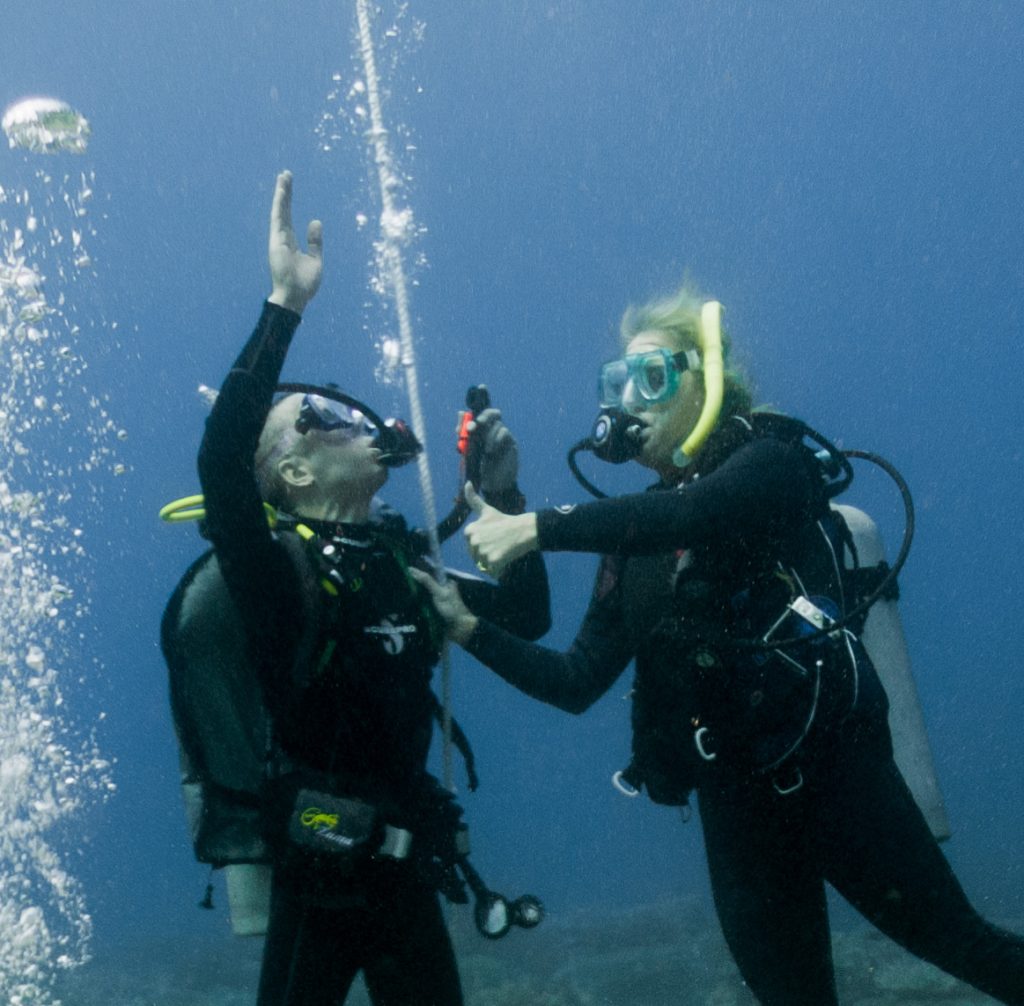
Put your regulator in your mouth, raise one arm over your head, and raise your gaze. This alignment facilitates a smooth climb and protects your head.
-
Breathe Out constantly: Start a gradual, deliberate rise while breathing out constantly. As the air expands, the exhalation should be consistent and controlled to allow the air to exit.
-
To drive yourself higher, use a consistent kicking motion with your legs. This aids in preserving a regulated climb rate, usually limited to a maximum of 18 meters (60 feet) per minute.
-
Follow Your Ascension: Keep an eye on your ascension pace if you have a dive computer. If not, follow your bubbles’ lead; they should rise somewhat quicker than you.
-
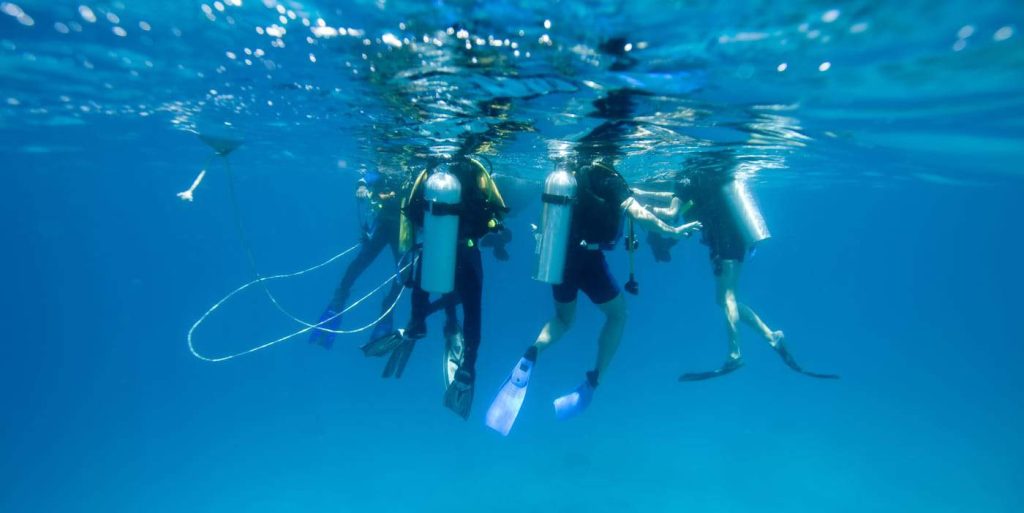
Break the Surface: Inflate your buoyancy control device (BCD) to provide positive buoyancy after you’ve reached the surface, then call for assistance.
Instruction and Exertion
It is essential to practice the CESA vertical in a regulated setting, such as a shallow water pool. It is important for divers to become used to the feeling of a steady ascent and constant exhale. Instructors walk pupils through the procedures to guarantee muscle memory and automatic response in a real emergency by simulating out-of-air events often.
Typical Errors and How to Prevent Them
-
Panic Ascents: Uncontrollably high ascents are caused by panic. Panic can be lessened with regular CESA exercise and visualization.
-
Breathing: Do not hold your breath when climbing. It is vital to continuously exhale, even in an emergency.
-
Incorrect Positioning: To minimize drag and preserve control, make sure your arm is stretched over your head and that your body is in a streamlined position.
-
Ignoring Ascent Rate: Decompression sickness can result from climbing too rapidly. Always keep your rise gradual and under control.
An essential ability that all open-water divers need to have is the CESA vertical. It is a life-saving move that integrates the concepts of emergency management, breathing techniques, and buoyancy control. Divers may improve their safety and confidence and make sure they are ready for the difficulties of the undersea environment by receiving the right instruction, practicing, and knowledge of the CESA vertical. Being able to complete the CESA vertical dive safely and responsibly is a sign of dedication, regardless of diving experience level. Happy and safe diving!