Divers must be ready to handle the inherent hazards of scuba diving, despite it being an exciting and tranquil way to explore underwater worlds. Carrying out the Controlled Emergency Swimming Ascent (CESA) is a vital emergency response technique. A more recent training technique, known as the CESA horizontal, is becoming more popular in open-water courses. It was formerly only used in vertical ascents. When it comes to improving a diver’s emergency readiness, this variant has special benefits.
Recognizing the CESA
In the case of an air supply breakdown, divers are taught a method called the Controlled Emergency Swimming Ascent (CESA) that allows them to safely ascend to the surface. In order to minimize lung over-expansion caused by decreasing pressure, a diver does a CESA while swimming upwards and continually exhaling. For divers to reach the surface safely and without running the danger of barotrauma, this ability is essential.

The Alteration in Horizontal Direction
The horizontal CESA is performed on a plane that is horizontal as opposed to the customary vertical climb. This version concentrates on the mechanics of the climb without the complications brought about by depth fluctuations and is usually performed in a pool or a calm, shallow open-water setting. For these reasons, the horizontal CESA is increasingly being used in open-water diving training:
-
Improved Breathing Control: By using a horizontal CESA, divers may focus on keeping their exhalations constant and under control. This is important because quick, frightened breathing can cause catastrophic harm in an actual emergency. Divers can practice controlled exhalation without the extra pressure of vertical ascent by training horizontally.
-
Development of Muscle Memory: Swimming horizontally repeatedly helps to create muscle memory for the ascent process. Divers acquire the ability to control their buoyancy and breathe continuously while swimming effectively. This technique lowers the possibility of mistakes by ensuring that the diver’s body will automatically take the right measures in a real emergency.
-
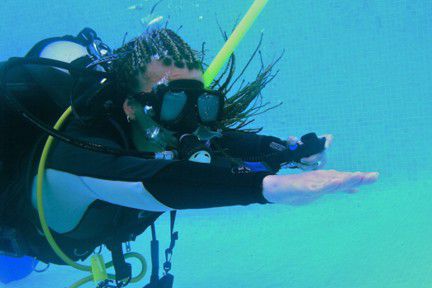
Divers can practice in a safe setting by participating in horizontal CESA exercises, which foster confidence and safety. This helps new dives especially since it allows them to concentrate on honing their technique without having to worry about getting into deeper water. This exercise gives them more self-assurance and makes them more prepared for their vertical CESA in open water.
-
Change to Vertical climb: After gaining confidence with the horizontal CESA, divers can practice the vertical climb. Vertical practice immediately benefits from the horizontally acquired abilities of respiratory control, buoyancy management, and swimming efficiency. The diver will subsequently be more competent and confident when using these abilities in more realistic depth circumstances.
Horizontal CESA Implementation in Training
There are many processes involved in integrating horizontal CESA into open-water courses:
-
First Instruction: Instructors start off by going over the foundational ideas of CESA and stressing the significance of a regulated exhale. The principles of the horizontal ascension and the reasoning behind this training approach are imparted to divers.
-
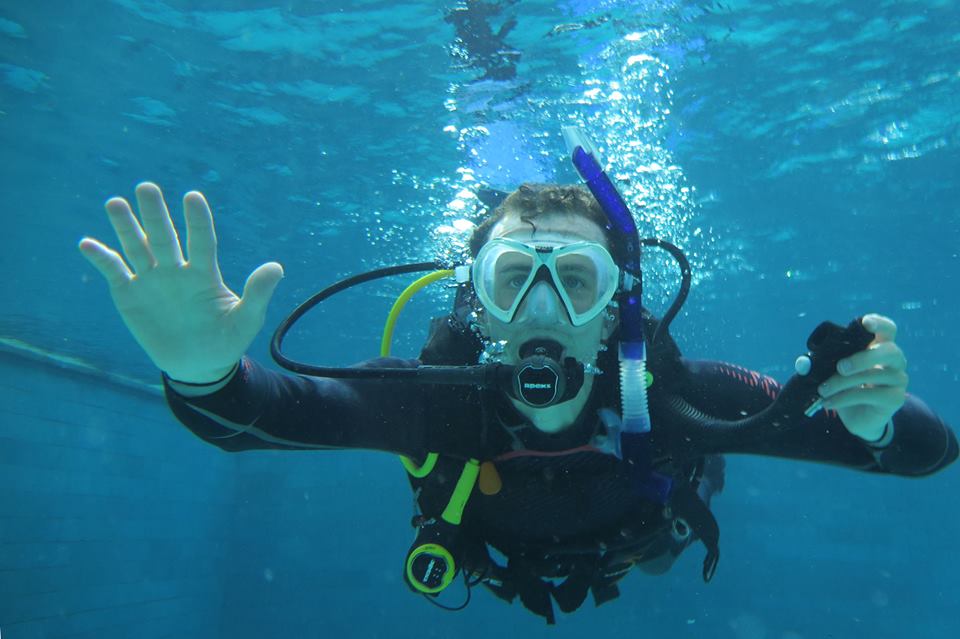
Horizontal CESA is initially practiced by divers in a swimming pool. They breathe out slowly as they swim across the pool, paying close attention to technique and control. Instructors assist divers in improving their abilities by giving them timely feedback.
-
Shallow Open-Water Drills: Divers transition to shallow open-water settings after they feel at ease in the pool. Here, participants practice horizontal CESA in a safe, controlled environment with settings that more nearly resemble real-world diving situations.
-
Transition to Vertical Ascent: Divers who have mastered horizontal CESA progressively go on to vertical ascent training. They begin in shallow water and work their way up to deeper waters as their competence grows.
Open-water scuba diving courses benefit greatly from the addition of the CESA horizontal. This approach improves a diver’s confidence in doing emergency ascents by emphasizing breathing control, technical development, and safety. In light of the diving community’s ongoing emphasis on safety and readiness, the horizontal CESA is a particularly useful training aid that makes sure divers are able to manage crises and have a worry-free underwater experience. Happy and safe diving!