Imagine yourself diving into the vivid, ethereal world of a coral reef, surrounded by bright schools of fish and tingling with excitement as you explore. This and more is what scuba diving has to offer, but it’s important to educate yourself before you make that first thrilling dive. Learn the fundamentals of scuba diving safety to avoid making the most dangerous experience instead of an unforgettable one, whether your desire is to glide beside gorgeous sea turtles or explore shipwrecks. Immersion diving is recommended as we reveal the top 10 safety recommendations that every novice diver should be aware of.
1. Receive the Right Instruction
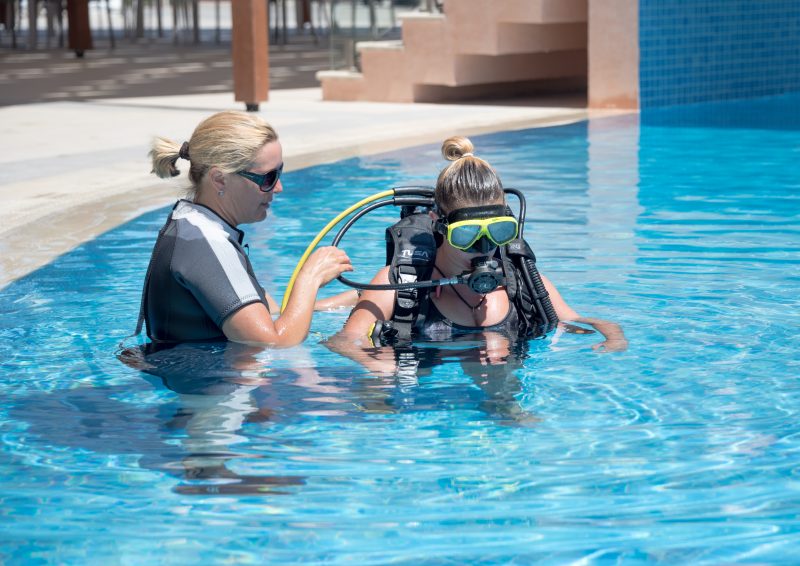
Make sure you have received the appropriate instruction from an accredited scuba diving organization, like PADI, NAUI, or SSI before you ever consider diving. You can acquire the necessary abilities and information regarding gear, dive planning, and safety protocols by completing a certified course.
2. Examine your equipment

Before diving, always check your equipment. Ascertain the condition of your tanks, buoyancy control device (BCD), regulator, fins, mask, and fins. You may avoid potentially hazardous underwater scenarios by doing routine maintenance and service on your equipment.
3. Create a plan and then get into it.
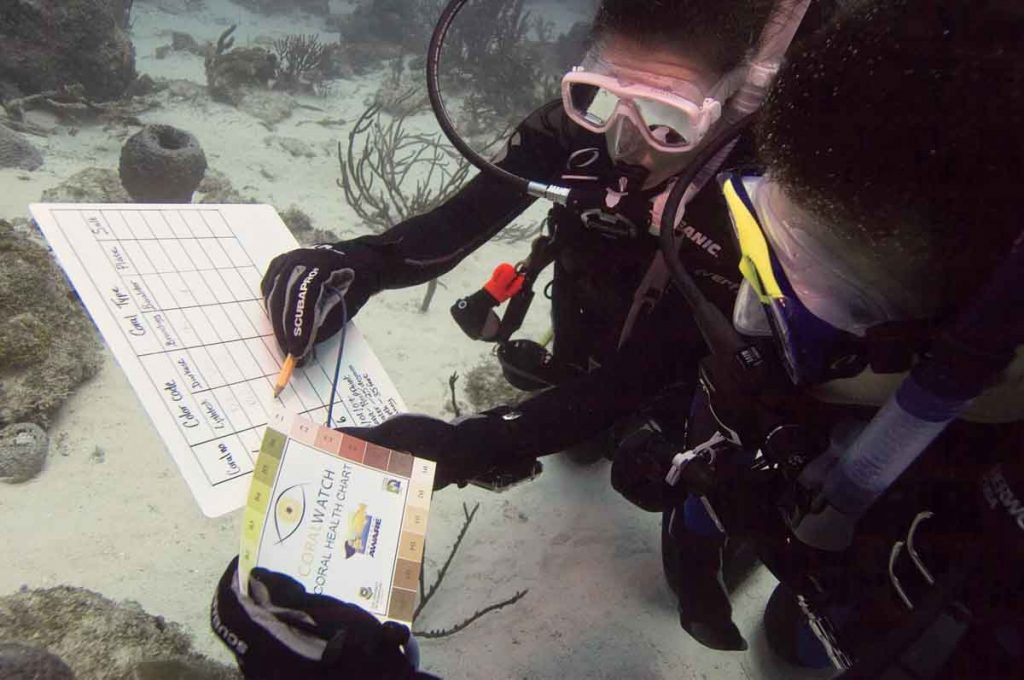
Carefully consider the depth, duration, and route of your dive. Follow the plan and talk it over with your diving partner. You might get lost and face dangers if you make impromptu adjustments to your diving strategy.
4. Do a buddy check
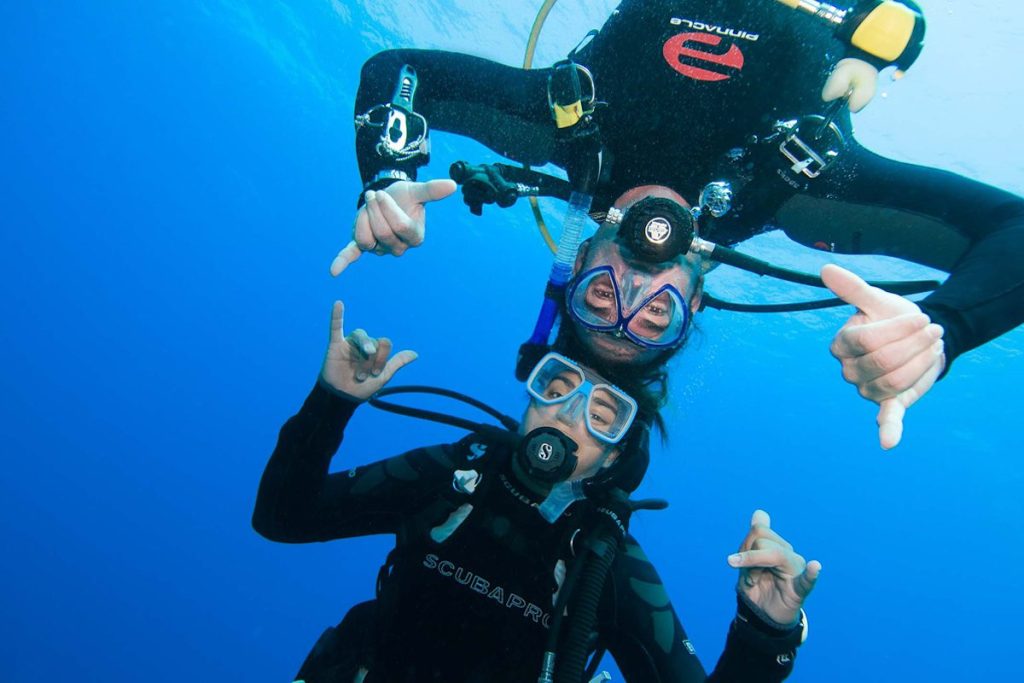
Along with your dive partner, perform a comprehensive pre-dive safety check. Check each other’s equipment, make sure the signals are understood and go over emergency protocols. A buddy check assists in identifying any problems before they become submerged.
5. Keep an eye on your air supply
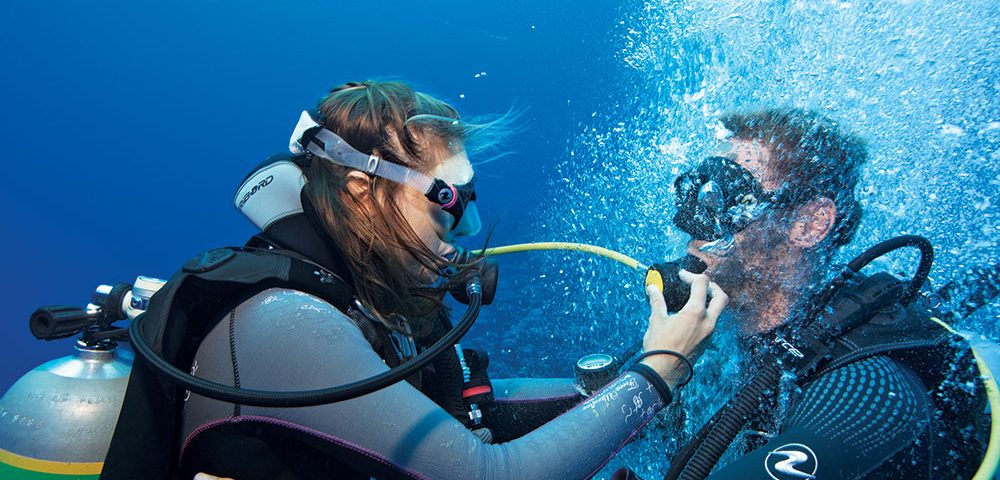
Never let your tank go too low by closely monitoring your air gauge. Adhere to the principle of threefold allocation: utilize one-third of your oxygen supply for exploring below the surface, another third for ascending back to the surface, and conserve the remaining third for safety.
6. Go up Safely and Gradually
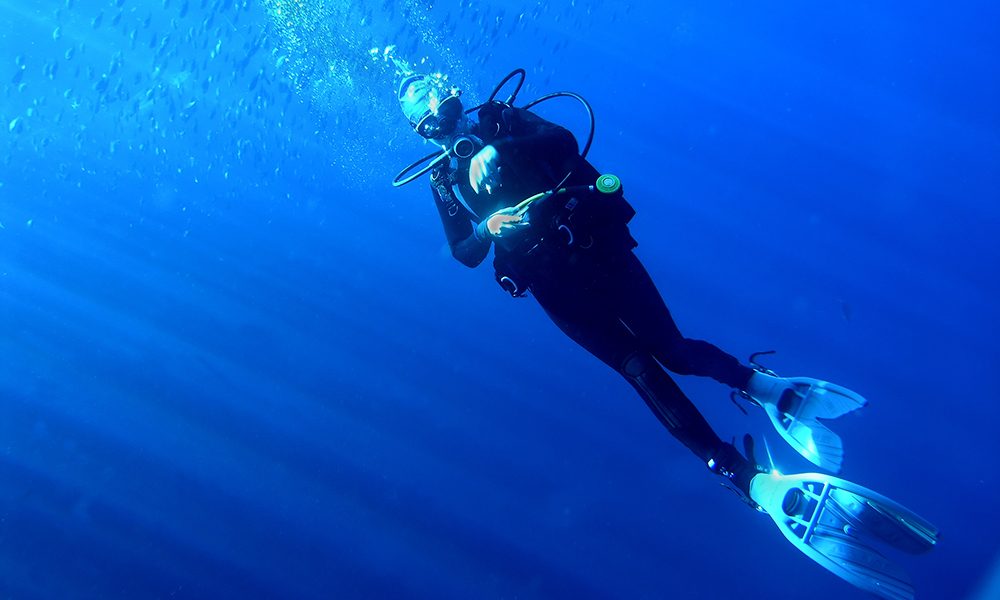
Never go higher than the tiny bubbles in your body. A modest climb pace can help avoid decompression sickness; generally, it should not exceed 18 meters (60 feet) per minute. To let extra nitrogen from your body, always conduct a safety stop at a height of five meters (15 feet) and wait three to five minutes.
7. Adhere to Your Limitations
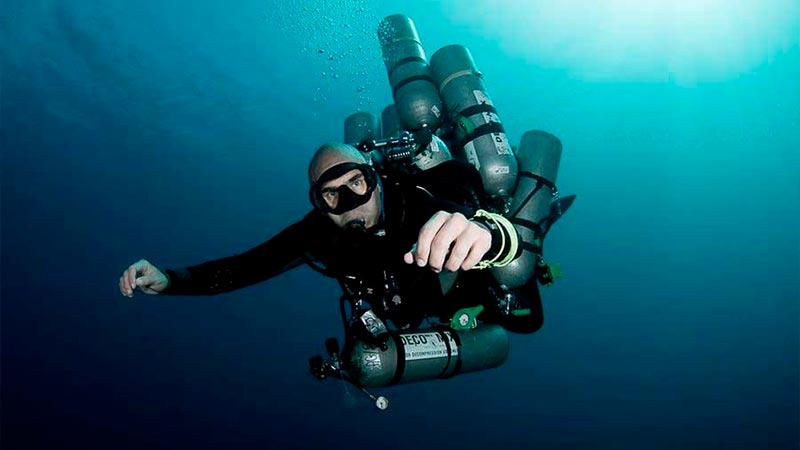
Recognize your boundaries and respect them. Steer clear of difficult situations or deep dives that are above your training and expertise level. Before trying more complicated underwater conditions, progressively hone your diving abilities and confidence with easier dives.
8. Pay Attention to Your Dive Partner
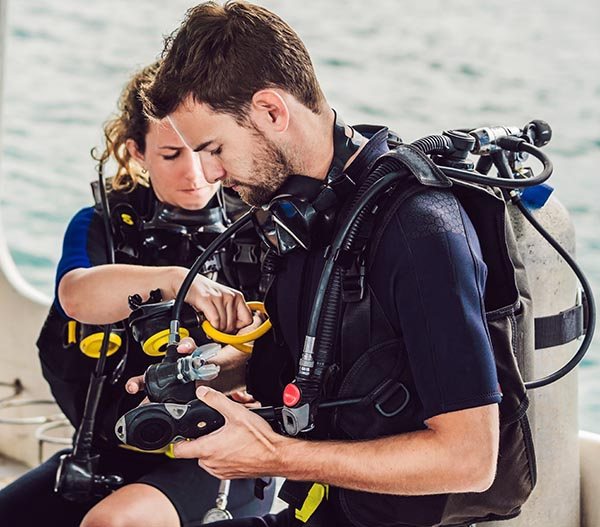
Keep your diving companion in constant sight and tactile touch. Cooperation and efficient communication are essential for safety. If one of you runs into trouble, the other can help out right away.
9. Equalize Often

During your descent, equalize your ears and mask often to avoid pain and possible harm. If you have trouble equalizing, go up a little and give it another go. Avoid forcing equalization as it may cause hearing impairments.
10. Show consideration for the marine ecosystem
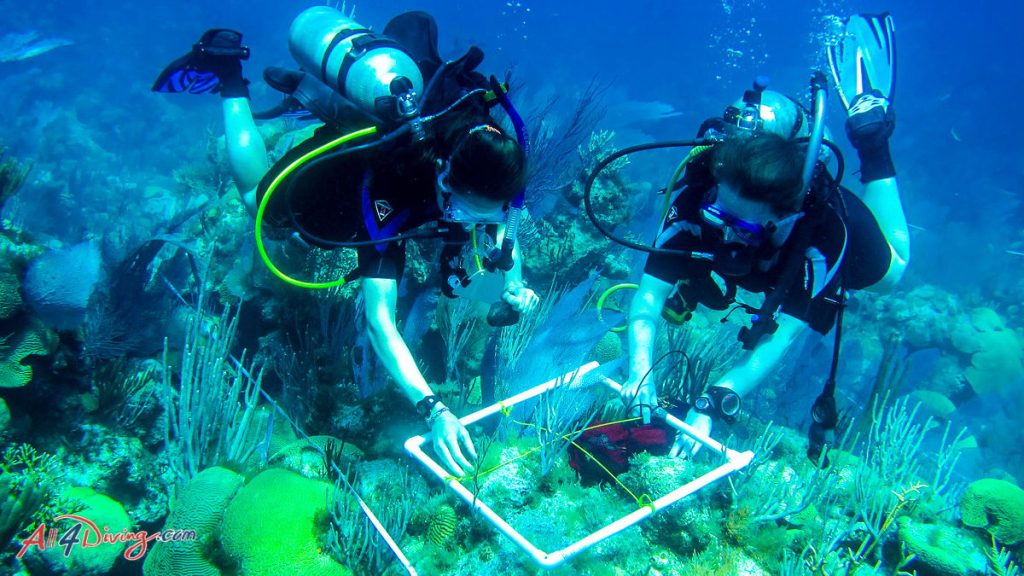
Keep an eye on your surroundings and refrain from disturbing or touching aquatic creatures. Coral reefs are delicate ecosystems, and certain animals may be harmful. You can travel without endangering yourself or the underwater environment by developing adequate buoyancy control.
Your safety should always come first when starting a scuba diving adventure since it is an exhilarating voyage into an intriguing underwater world. You may make sure that every dive is safe as well as pleasant by adhering to these top 10 crucial safety recommendations. A safe diving experience is built on the principles of appropriate training, comprehensive equipment inspections, and efficient communication with your dive partner. To protect your health and the undersea habitat, always remember to tread carefully, keep an eye on your oxygen supply, and show respect for the aquatic environment. Use these rules as a compass to steer you toward safe and amazing underwater experiences as you go further into this thrilling activity. Happy and safe diving!