Scuba Diving is a relaxing hoppy that millions of people have. However, many scuba diverd can suffer from feeling tired after scuba diving. Even dive professionals sometimes find it hard to explain why It’s a common thing to feel sleepy after scuba diving.
In this article، we will discuss together about a scientific explanation for post-dive fatigue. If you are interested in this subject, keep reading.
Feeling Tired After Scuba Diving. Is it Normal?
Don’t dismiss feeling tired after scuba diving and consider it as a normal experience. Many scuba divers think that post-dive fatigue is due to cold or exerstion on there dive, but taking a cold shower and the hard workout in the gym don’t make you sleepy.
Finding yourself inexplicably fatigued, sleepy or malaised after scuba diving is usually due to decompression stress.
What is the Cause of Feeling Tired After Scuba Diving?
We can see that there are 4 factors that can contribute to you feeling tired after scuba diving. You should be realistic about which factor us likely to have a strong physical effect for you while driving . These factors include:
- Exertion- is it physical hard to work parents calories.
- Sickness- seasick causes tiredness.
- Anxiety- extreme stress causes tiredness.
- Thermal stress- getting the cold makes you tired as a result of the burning in calories.
Identify any of these factors would be significant enough to explain the level of tiredness you had after diving.
- Scuba diving is usually consudered a relaxing the activity, so you shouldn’t be exerted or breathles on normal scuba dive.
- Actually, scuba diving causes burning fewer calories than in light jogging.
- A little cold for a while will not cause depletion of your energy.
- High levels of stress exhaust you as this consumes your mental energy.
- Seasick will make you very tired.
These factors can only be enough to explain the feeling of tirednesd after diving when they are severe and this rarely happens, so the possible cause of feelings tired after scuba diving can also be decompression stress.
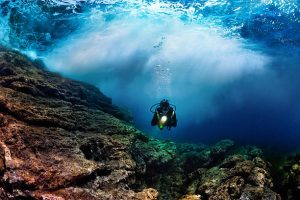
Feeling Tired After Scuba Diving Can be Decompression Stress
Decompression stress can be a scientific explanation for the inexplicably feeling tired after scuba diving. Your body must deal with the small nitrogen bubbles that trigger your immune system. This issue is known as decompression stress.
What is Decompression Stress?
The decompression stress is cosidered the physiological effect that your body make when too many micro-bubbles form in the buddy during ascending.
Micro-bubbles are tiny nitrogen bubbles that are very small to cause a physical injury or be diagnosed as decompression sickness.
A large number of these micro-bubbles can trigger an immune response in your buddy, as your body deals with these bubbles as a forein invader. As a result of that, a huge number of white blood cells are fooled into swarming in order to attack them.
However, the immune system can’t do anything about the micro-bubbles but this bubbles quickly disappear after a while from surfacing. But your immune response has to switch itself of and this comes with releasing of some hormones into the body. One of these hormones is serotonine which causes the feeling of tiredness and sleepy.
The Symptoms of Decompression Stress
Decompression stress is likely to be a sub-clinical form of DCS. The symptoms of decompression stress include:
- The inexplicable tiredness.
- The sleepy feeling.
- The unusual decrease in vitality.
- Low energy.
- Lethargy.
- The general feeling of malaise.
These post-dive symptoms can only be considered from the symptoms of decompression stress when they don’t have any obvious cause.
Having a bad night sleep the day before diving can be an expected cause of the feeling of tiredness. Skipping your breakfast can also be an explanation for the low energy after diving.
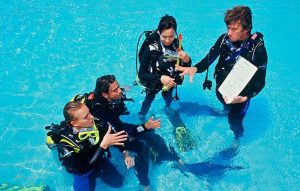
What Causes the Formation of Micro-bubbles When Diving?
There are a small number of nitrogen micro-bubbles formed in every ascend, as the dive computers are only programmed to help uou avoid the formation of the large harmful bubbles. They aren’t conserned with the small bubbles and the feeling of tiredness after scuba diving.
The small number of micro-bubbles can’t trigger a strong immune reaction. Decompression stress caused by a large number of micro-bubbles.
There are a number of bad diving habits that you should avoid because they causes the formation of large amounts of micro-bubbles. These bad habits are:
- Too fast ascending.
- Too slow ascending.
- The see-saw dive profiles.
- Repetitive diving trips.
- The bad practicing buoyancy contol while making safety stops.
- Skipping safety stops.
- The quickly popping up to the surface after ending the safety stops.
Any of the normal factors that increases the risks of decompression sickness can cause decompression stress, such as:
- Dehydration.
- Getting cold during a dive.
- Heavy exertiin while diving.
- Certain stages of the menstrual cycle in females.
- High BMI.
- Suffering from Patent Foramen Ovale (PFO).