Envision plunging into the eerie, quiet depths where history is stored behind coral and silt layers and time is suspended. Adventuresome divers are drawn to the enigmatic realm of wreck diving by the attraction of discovering abandoned buildings, missing airplanes, and sunken ships. However, in order to fully enjoy this captivating underwater adventure, you’ll need specialist gear that can help you traverse the intricate passageways, light up the shadowy areas, and keep you safe among the artifacts from the past. Join us for an exciting yet safe wreck diving excursion as we unearth the necessary equipment that turns a typical dive experience into something spectacular.
1. Fundamentals of Scuba Gear
Prior to using specialty wreck diving equipment, it’s important to have a firm understanding of basic scuba gear:
-
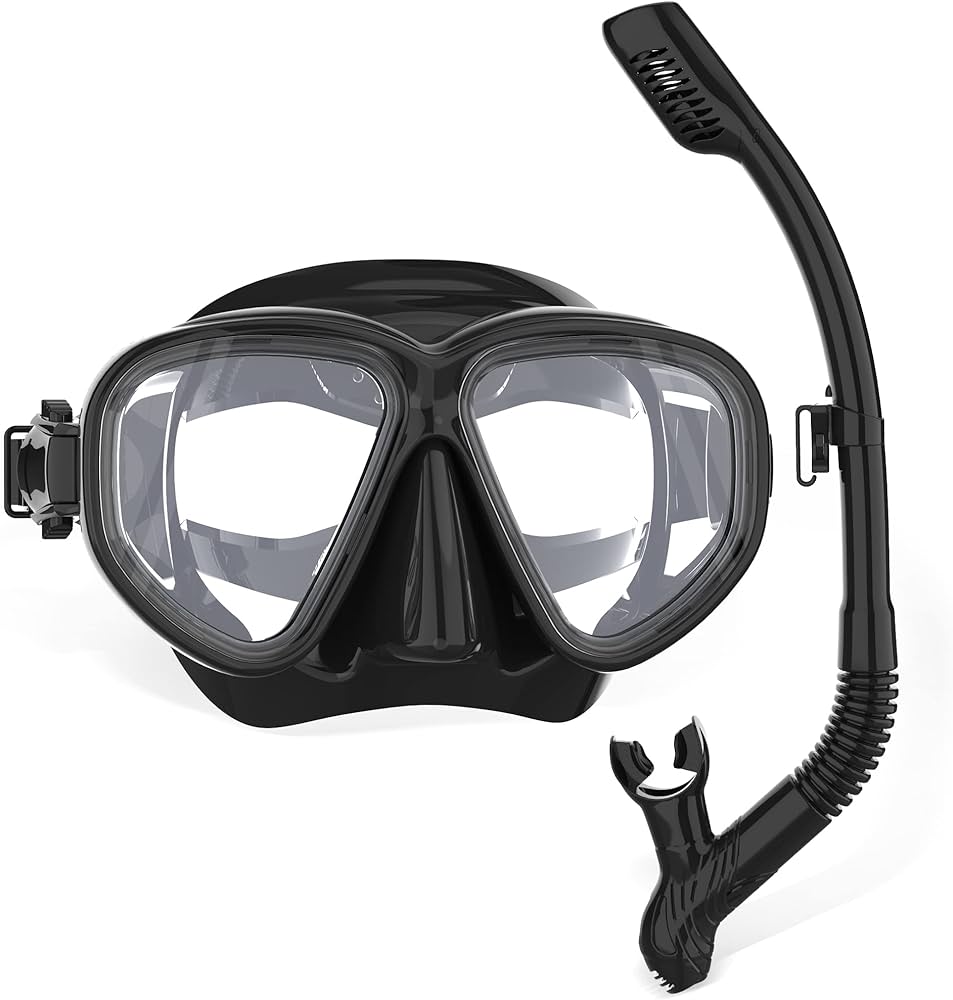
Mask and Snorkel: While a snorkel preserves air supply at the surface, a high-quality mask guarantees good eyesight.
-
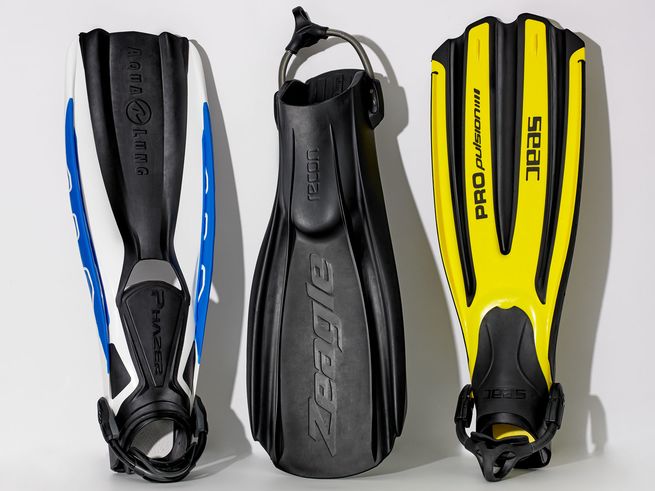
Fins: To make navigating around wrecks simpler, use fins that provide both power and control.
-
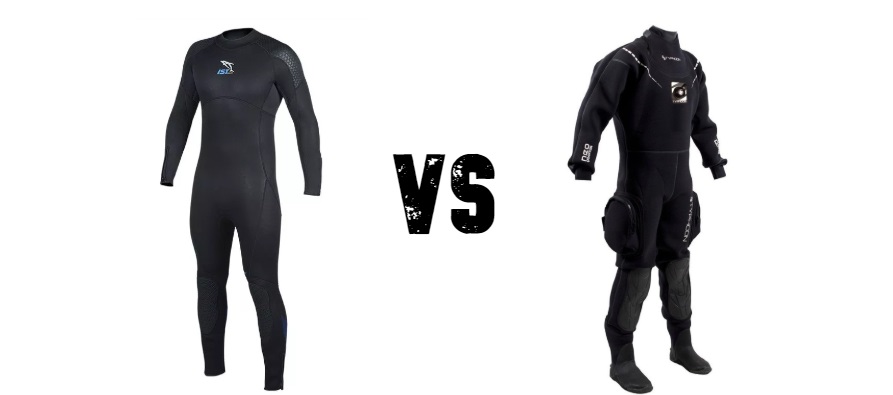
Wetsuit/Drysuit: Depending on the water’s temperature, a wetsuit or drysuit offers buoyancy control and thermal protection.
-
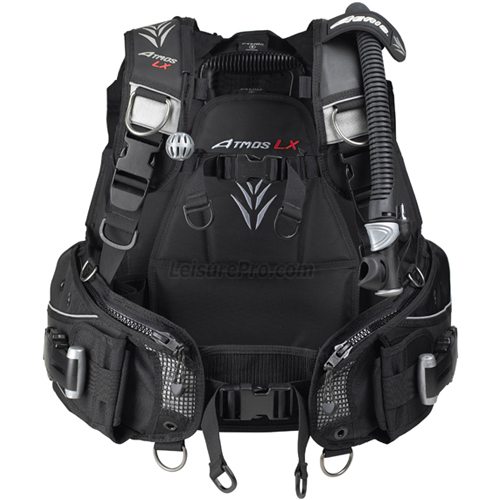
A buoyancy control device, or BCD, is a useful tool for controlling buoyancy, which is important while investigating wrecks at different depths.
-
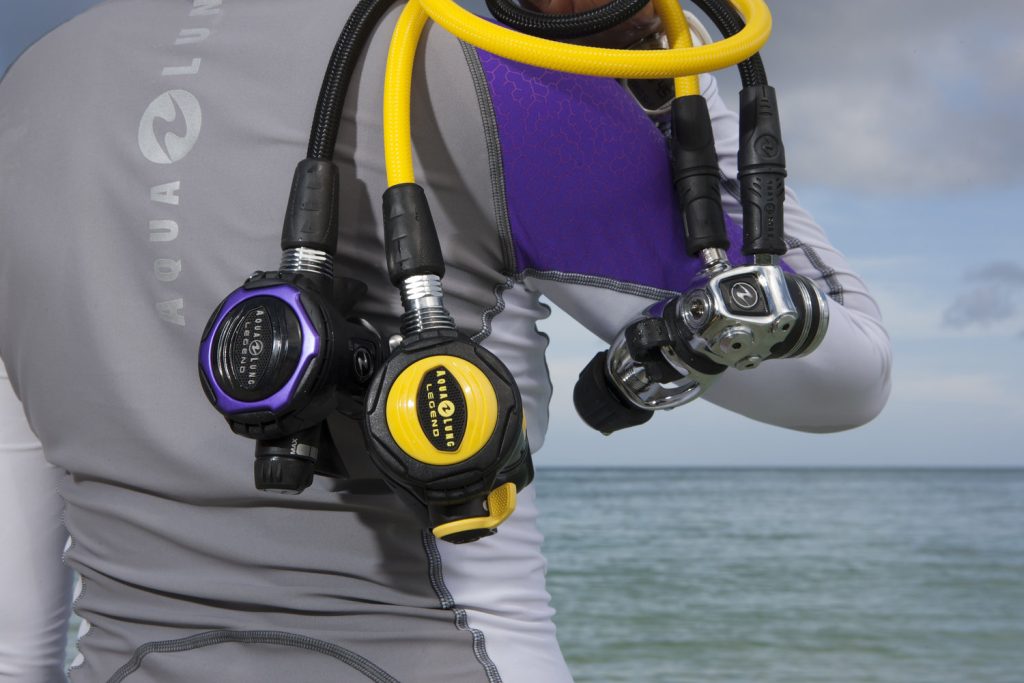
A dependable regulator is essential to a diver as it facilitates the delivery of air from the tank. In an emergency, an additional regulator—an octopus—is also necessary.
2. Equipment for Specialized Wreck Diving
Equipment designed specifically to meet the demands of these underwater locations is necessary for the safe and efficient exploration of wrecks.
-
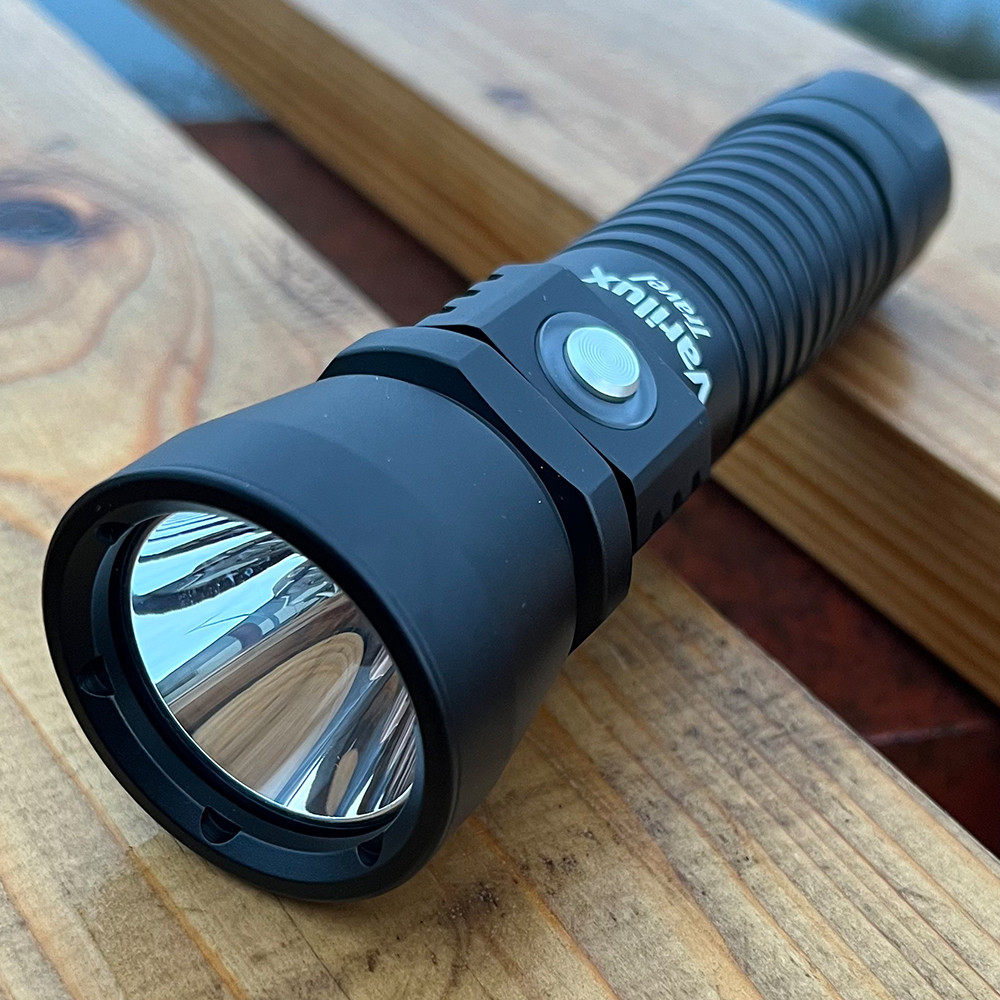
Dive Lights: Even on day dives, wrecks can appear gloomy and obscure. Strong, long-lasting diving lights are necessary for examining small details and lighting up confined areas. Having a primary and a backup light is a good idea.
-
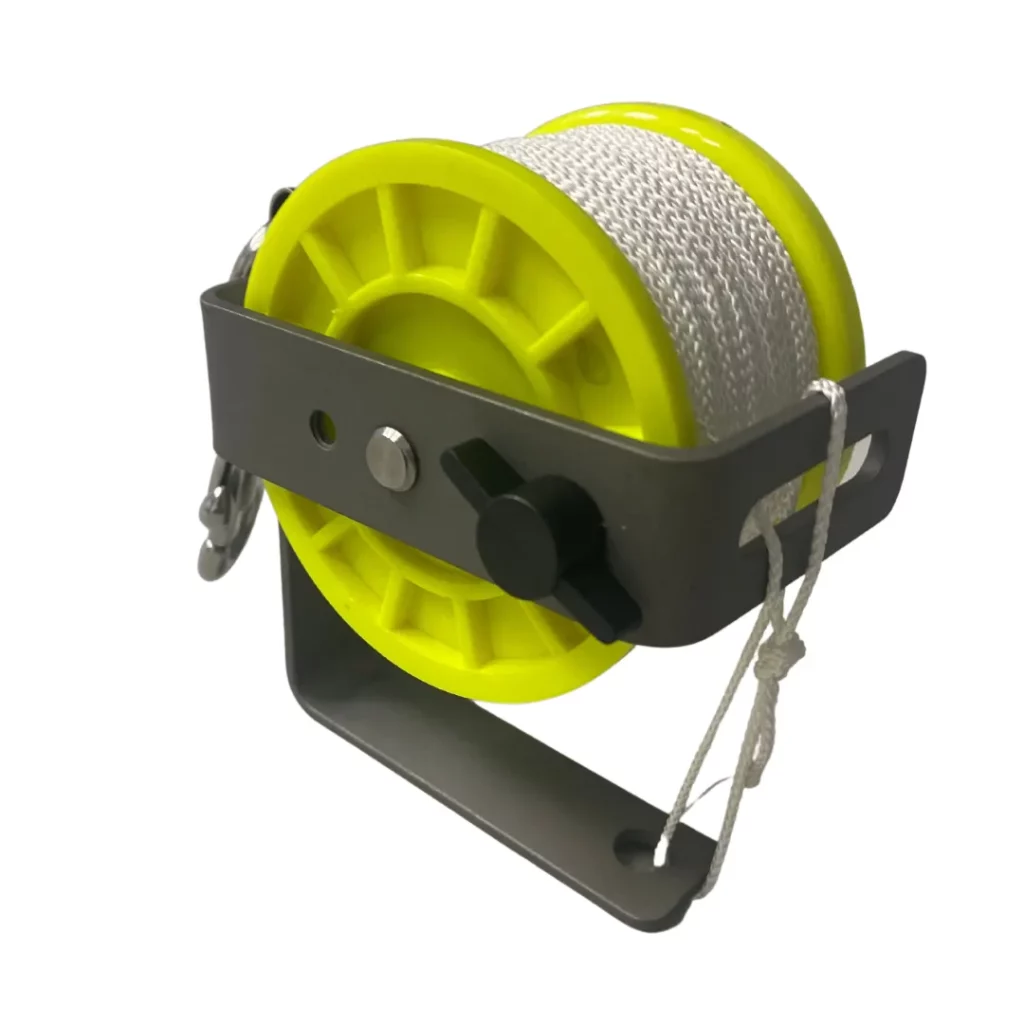
Reels and Lines: Inside intricate wreck structures, navigational aids such as reels and lines are essential for preventing disorientation. With the use of these gadgets, divers can identify their route and locate the exit.
-
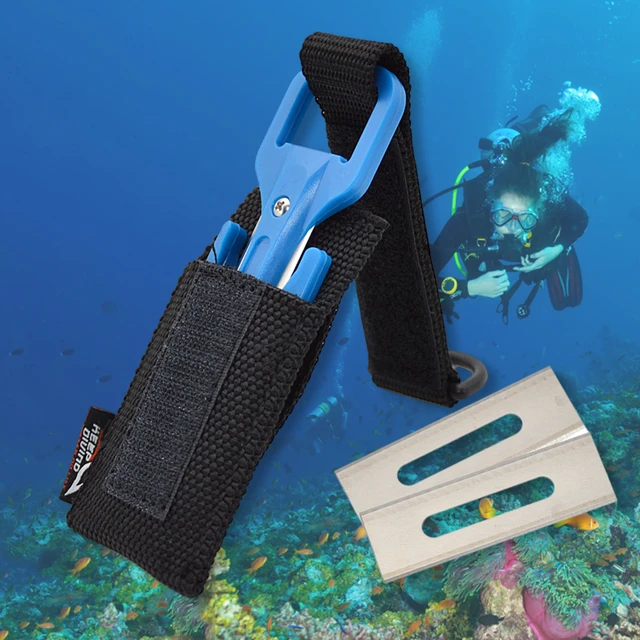
Cutting Tools: A major hazard in crashes is entanglement. To cope with fishing lines, nets, and other trash, divers should always have a variety of cutting equipment on hand, including knives, shears, and line cutters.
-
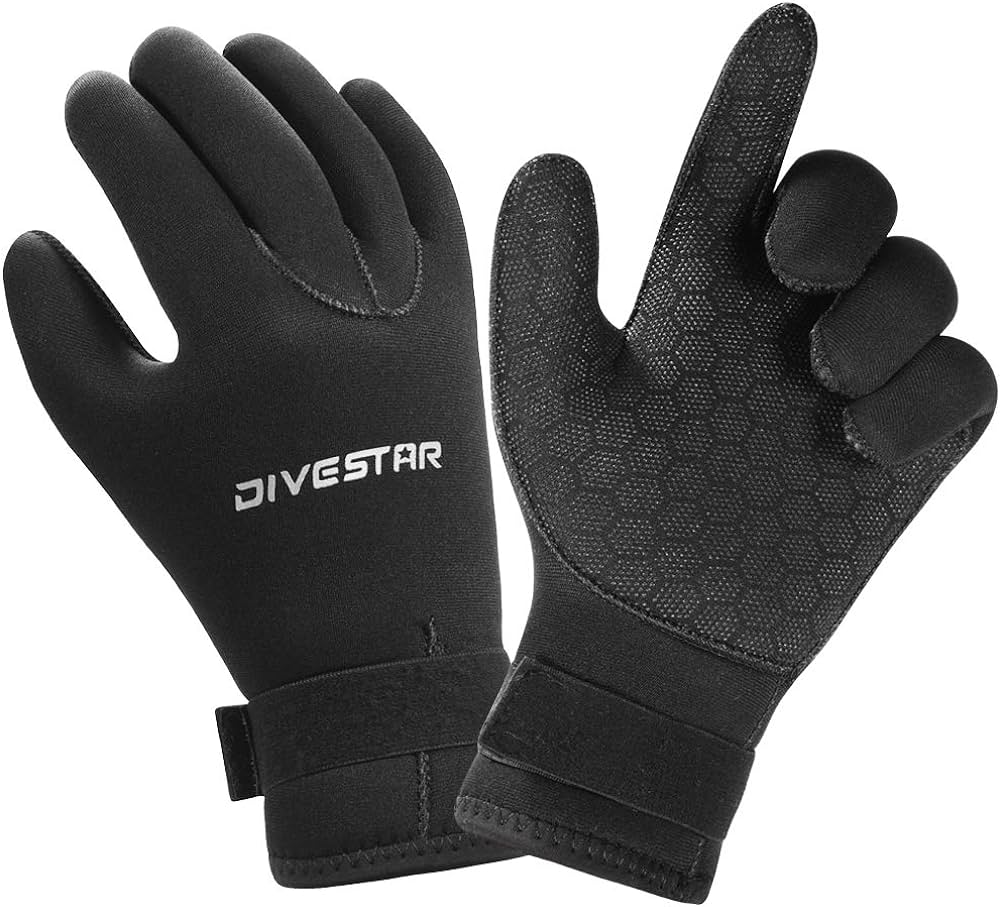
Gloves: Robust gloves shield hands from jagged edges, corroded metal, and other dangers sometimes seen at wrecks.
-
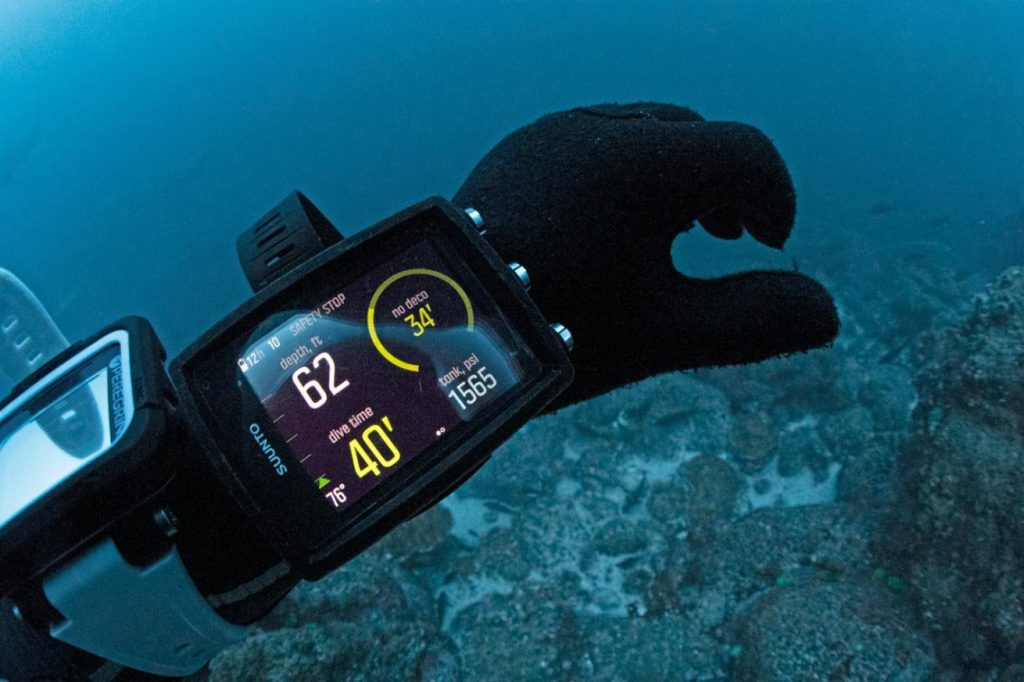
Dive Computer: A dive computer helps divers safely manage their bottom time and ascent by tracking depth, time, and decompression status. Particularly helpful are advanced ones with features like integrated air management and digital compasses.
-
Wreck Diving Certification: Getting certified is essential for wreck diving, even though it’s not a piece of equipment. Specialized training improves a diver’s capacity to manage possible threats by covering procedures and safety measures unique to wreck penetration.
3. Technical Equipment for Diving
Technical diving gear is required for advanced wreck diving, especially in deeper or more intricate wrecks:
-
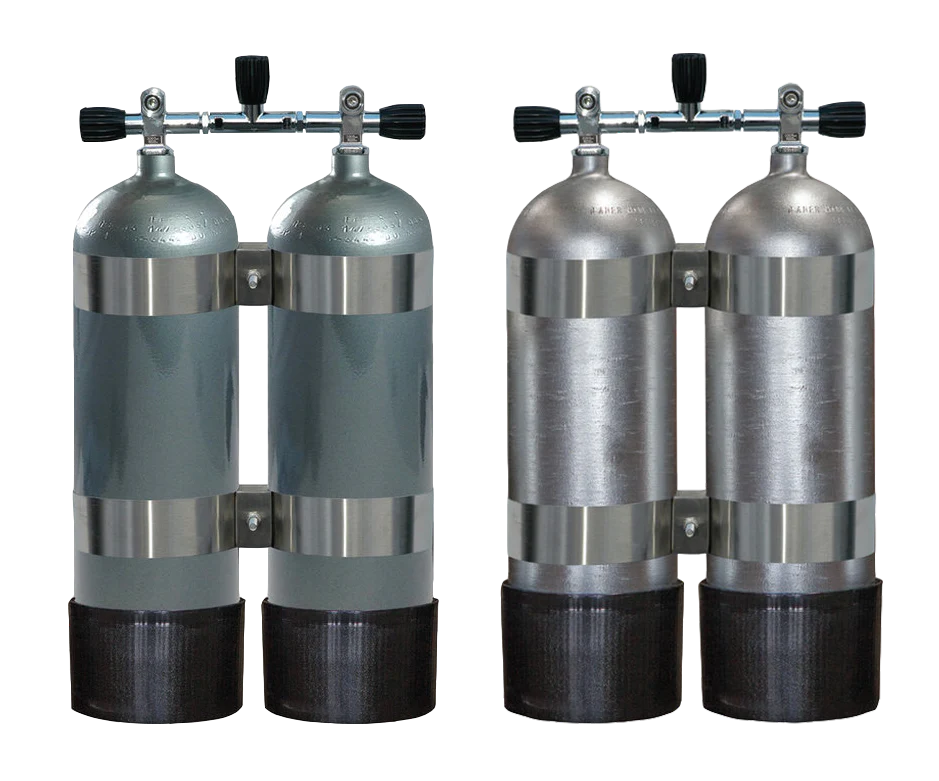
Twin Cylinders: Many technical wreck divers employ twin cylinders for their prolonged bottom duration and redundancy.
-
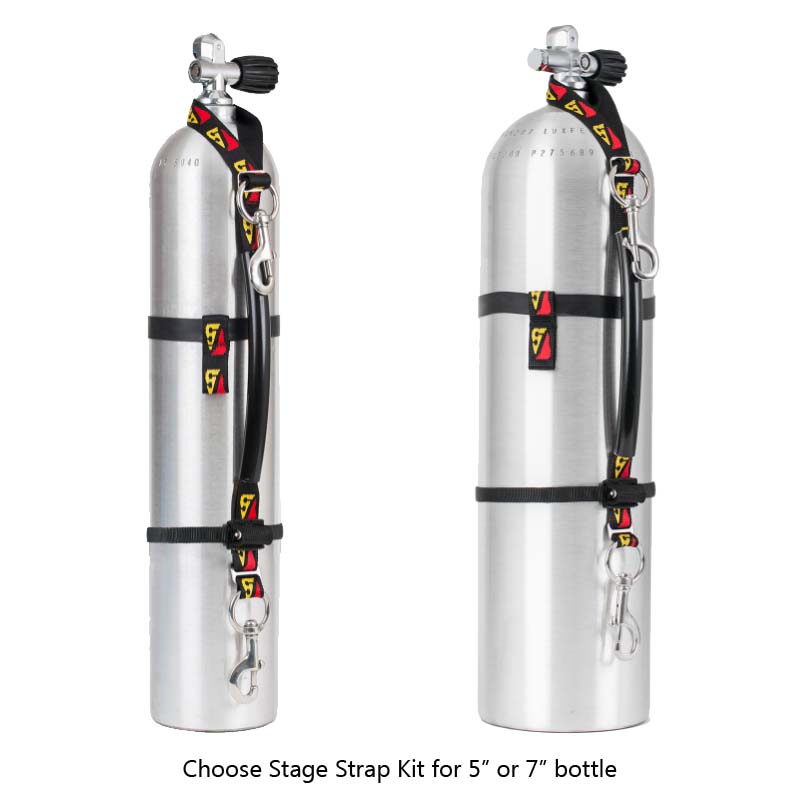
Stage Bottles: During the dive, these supplementary tanks are staged at different locations and contain additional gas mixes.
-
Dry Suit with Undergarments: A dry suit with the proper thermal undergarments is essential for preserving body heat in colder waters and during longer dives.
4. Redundancy and Safety
There are inherent hazards associated with wreck diving compared to regular open-water diving. Safety equipment and redundant systems are essential:
-
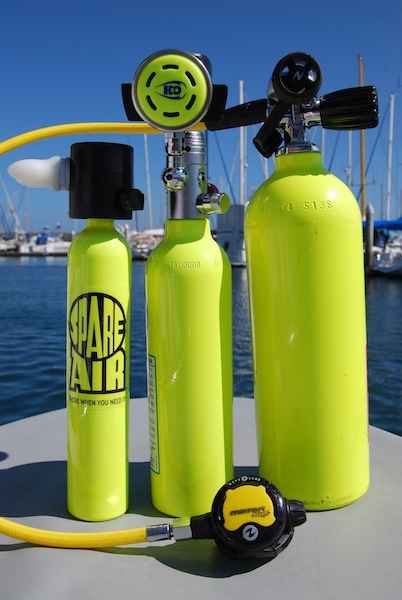
Redundant Air Supply: Many divers utilize a pony bottle, a tiny, independent air source, in addition to the main and octopus regulators.
-
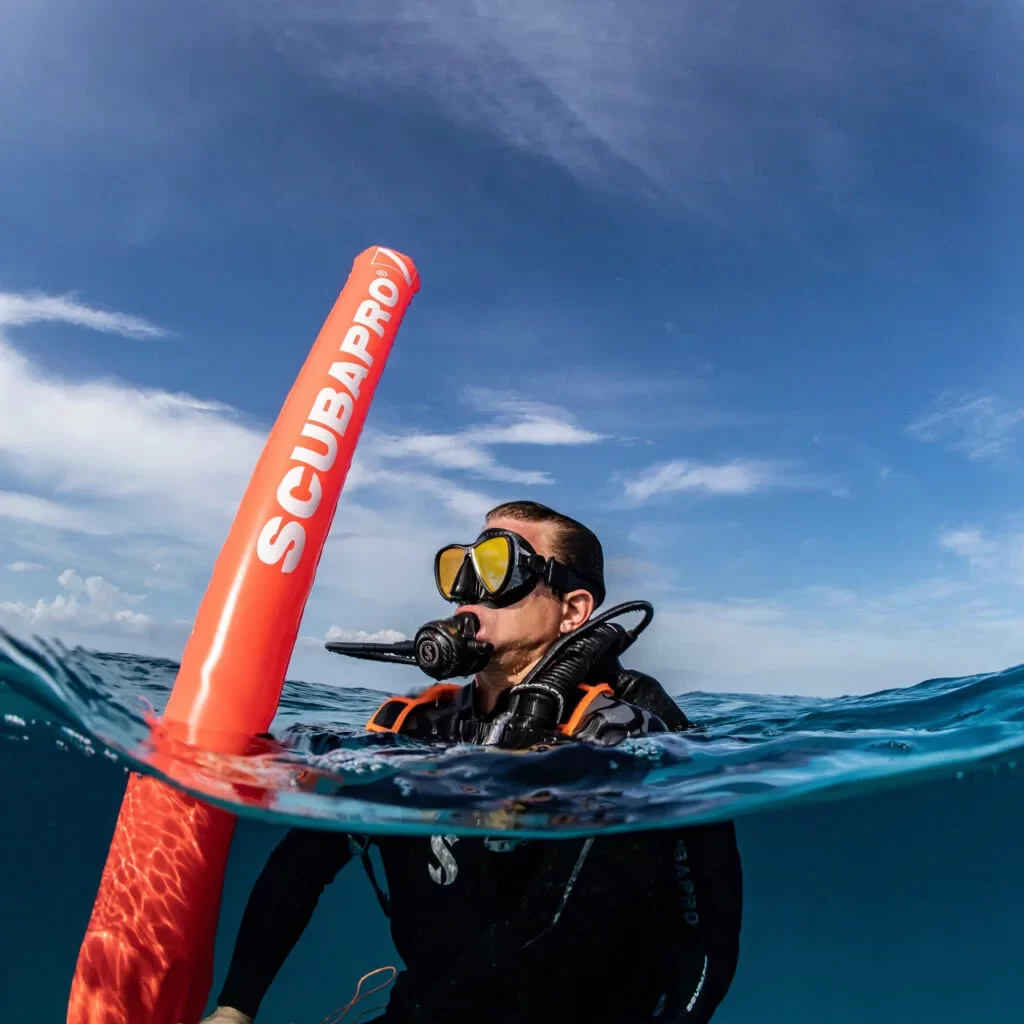
Surface Marker Buoy (SMB): In places where there is boat traffic, SMBs are especially important for identifying the diver’s position during ascents and safety pauses.
-
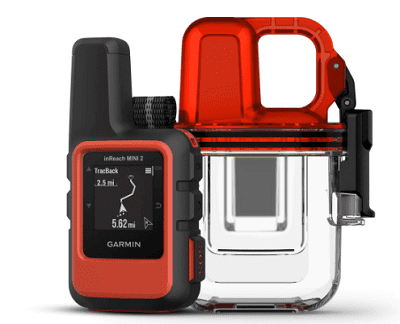
Personal Locator Beacon (PLB): Able to signal for assistance in an emergency, a PLB may be a lifeline for divers in isolated areas.
5. Equipment for Photography and Documentation
It frequently takes specialist photography equipment to capture the aesthetic appeal and historical relevance of wrecks:
-
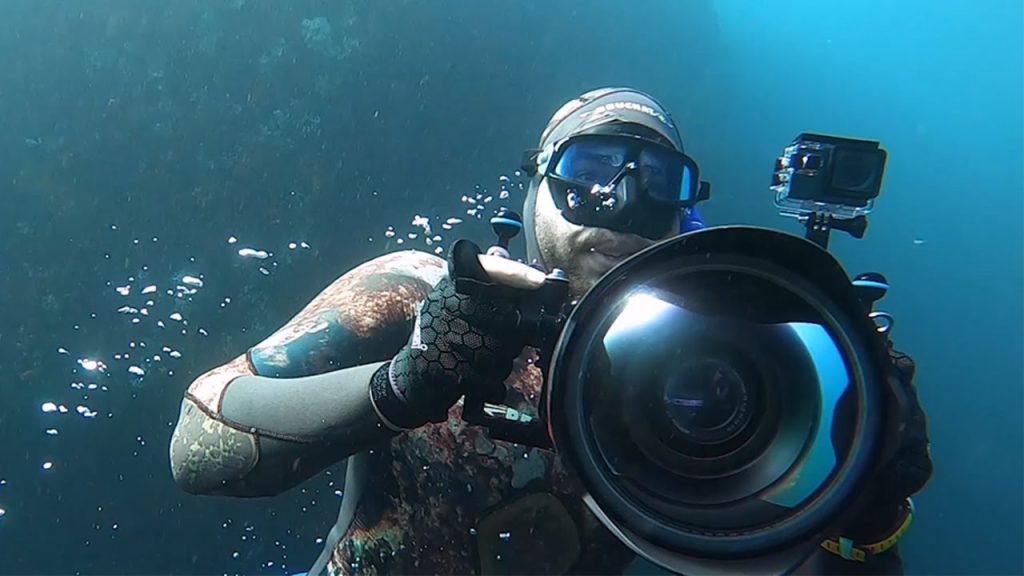
Underwater Camera: Divers can record their findings using an underwater camera that is sturdy and equipped with the right housings and lenses.
-
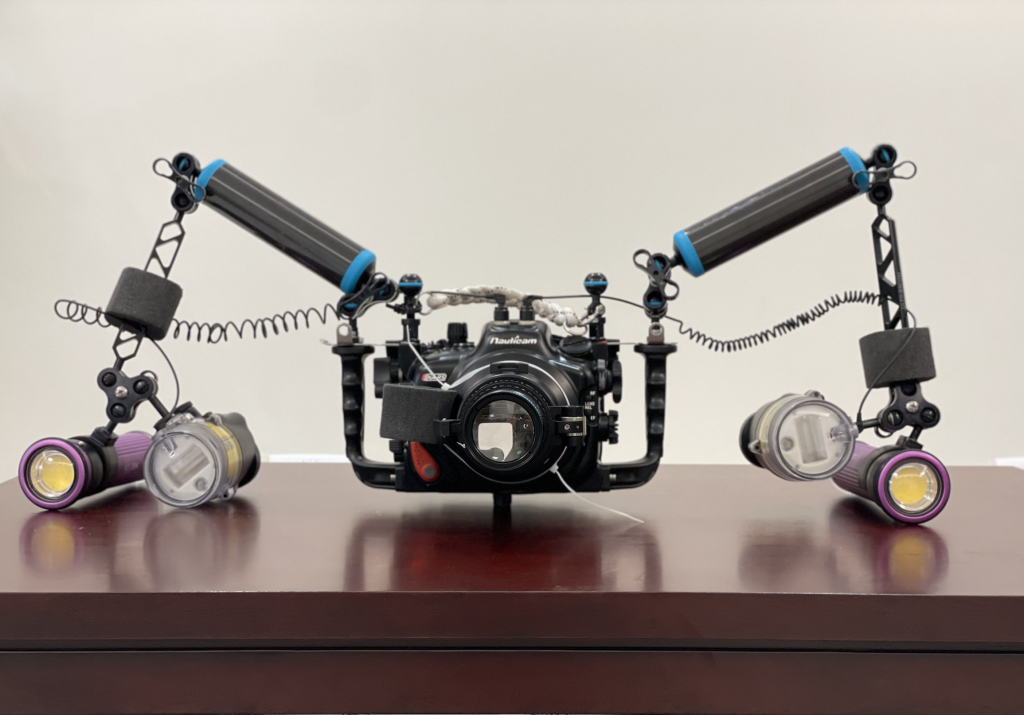
Video lights and strobes: In the sometimes dimly lit environments of wrecks, these lighting instruments improve the quality of photos and videos.
Divers may have a unique underwater journey by combining the excitement of discovery with the fascination of history through wreck diving. However, more than just rudimentary dive gear is needed for this sport. Purchasing specialist wreck diving gear not only improves the diving experience but also guarantees safety in these alluring but perhaps dangerous settings. The keys to a successful and pleasurable wreck diving experience are adequate training, planning, and equipment. Happy and safe diving!