The expense of diving gear may frequently be a major obstacle, regardless of your level of experience or desire to add more equipment to your collection. Novice divers are no different. Choosing used diving equipment may be a cost-effective choice in these situations, providing access to high-quality equipment at a far lower price than brand-new gear.
To guarantee both functionality and safety, buying used diving equipment needs considerable thought. Diving gear is different from other sports equipment in that it is essential to comfort, safety, and life support when underwater. Consequently, it’s critical to know what to look for and what to avoid when purchasing used equipment.
Advantages of Purchasing Used Diving Equipment
-
Cost savings: Divers on a tight budget can afford second-hand equipment since it is substantially less expensive than new.
-
Sustainability: Reusing equipment makes diving more environmentally friendly by cutting down on trash and its negative effects.
-
Quality: A lot of divers provide well-maintained, high-quality equipment for sale, which enables customers to get premium gear for a much lower price.
Overarching Thoughts
Prior to diving into a particular gear, consider these broad guidelines:
-
Examine Carefully: If at all feasible, examine the equipment in person. Examine for evidence of wear, damage, and appropriate operation.
-
Service History: Inquire about the equipment’s service history. Diving equipment requires frequent maintenance, particularly for components like regulators and BCDs.
-
Warranty: Verify the equipment’s transferability and continuation of coverage.
-
Try Before You Buy: Before making a purchase, try the equipment out in a controlled setting, such as a swimming pool, if at all feasible.
Important Things to Look for
1. Regulators:
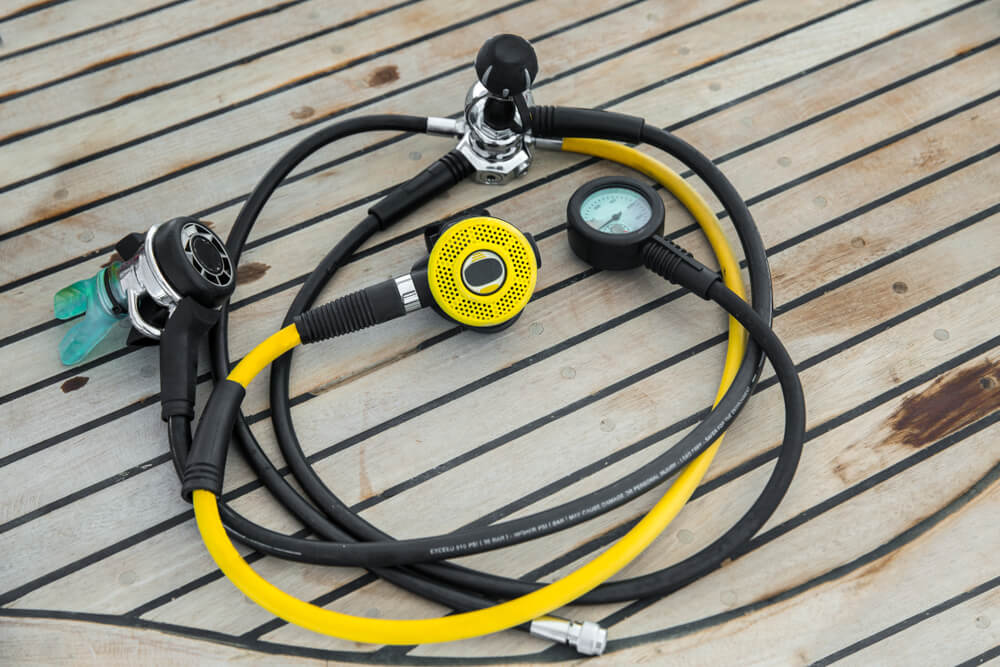
Regulators are essential for diving safely. When purchasing used:
-
Visual Inspection: Examine mouthpieces and hoses for wear, corrosion, and cracks.
-
Functionality: Check that the purge button and smooth airflow are functioning correctly by testing the regulator.
-
Service Records: Verify that the regulator has received routine maintenance and find out when the last service was performed.
2. BCDs, or buoyancy control devices
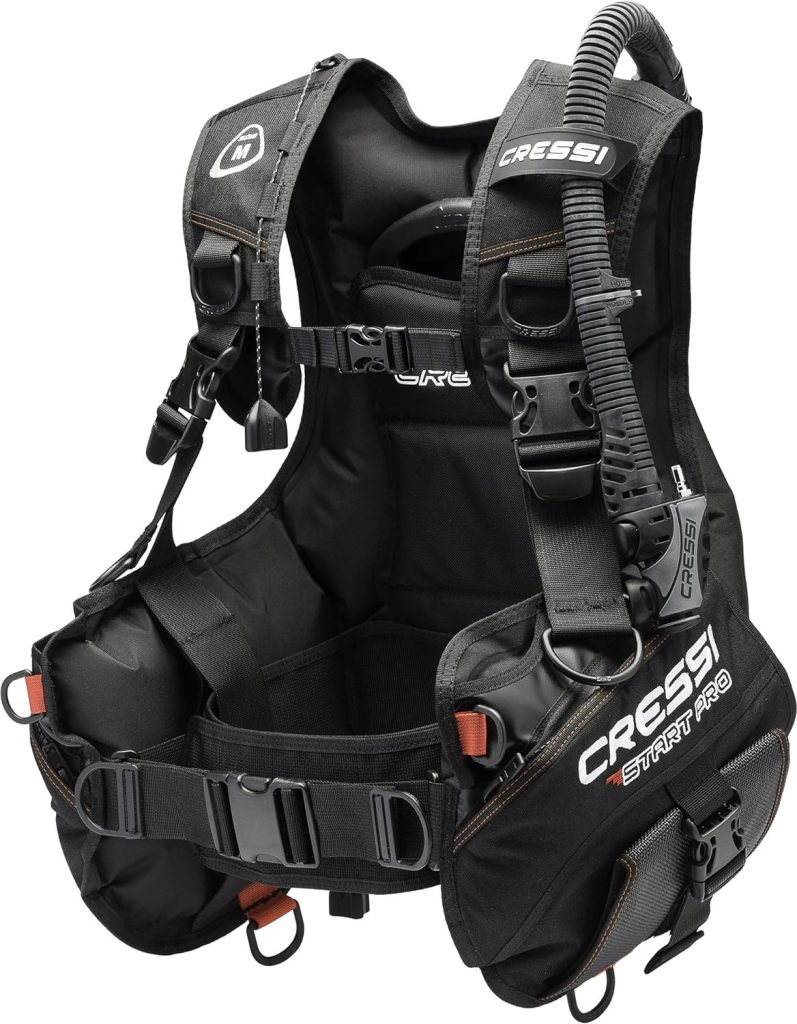
Underwater buoyancy management requires a dependable BCD.
-
Inflation/Deflation Mechanism: To make sure the BCD retains air and the valves work properly, inflate and deflate it.
-
Leaks: Listen for air escaping from the BCD after completely inflating it to check for leaks.
-
Straps and Buckles: Look for wear or damage on all straps, buckles, and zippers.
3. Dive Computers:
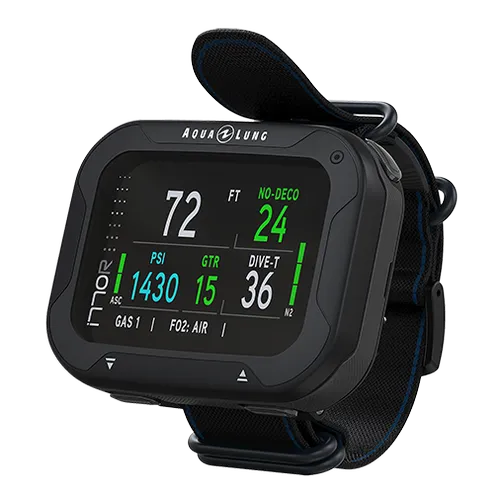
One essential piece of safety gear is a dive computer.
-
Battery Life: Verify that the battery is reusable and in excellent shape. While some dive computers may be serviced by the user, others need to have their batteries changed by a professional.
-
Functionality: Verify that all features (depth, time, and no-decompression limitations) operate as intended and that the display is clear.
-
Memory: Verify that it accurately stores dive data from the past, since this might reveal the general condition of the apparatus.
4. Drysuits and Wetsuits
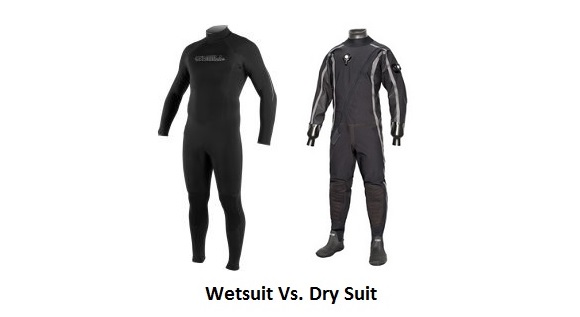
For both comfort and safety, thermal protection is essential.
-
Material Integrity: Look for rips, holes, and noticeable wear, especially where seams and stress areas are present.
-
Zippers: Make sure all the zippers are in good working order and the seals are flexible and undamaged.
-
Fit: Verify that the suit fits appropriately. Comfort and thermal protection might be compromised by an ill-fitting suit.
5. Masks, snorkels, and fins
Although purchasing these things used has a lower risk overall, you should still scrutinize them.
-
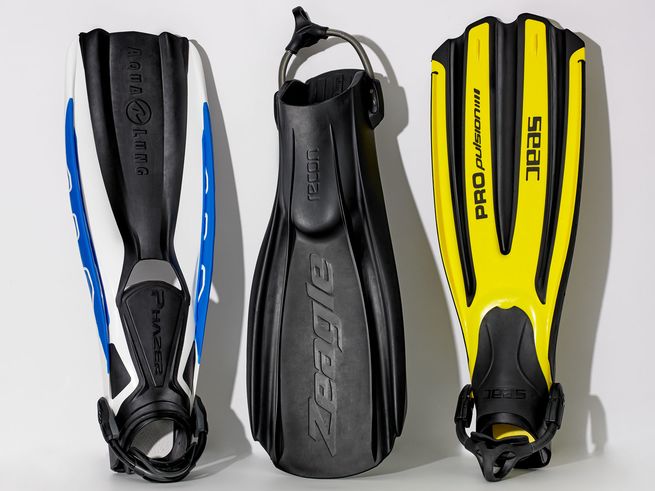
Fins: Check your fins for cracks, particularly in the area near the blades and foot pockets.
-
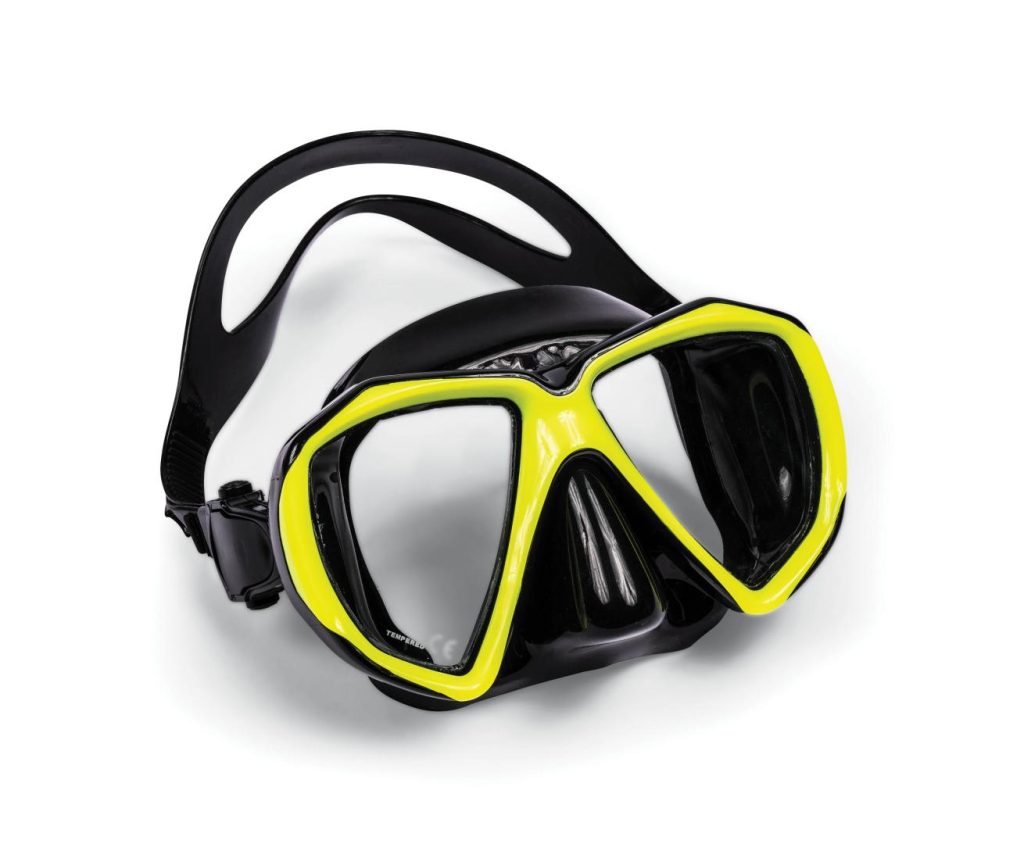
Masks: Make sure the lens is not damaged and the silicone skirt is flexible and clear of rips.
-
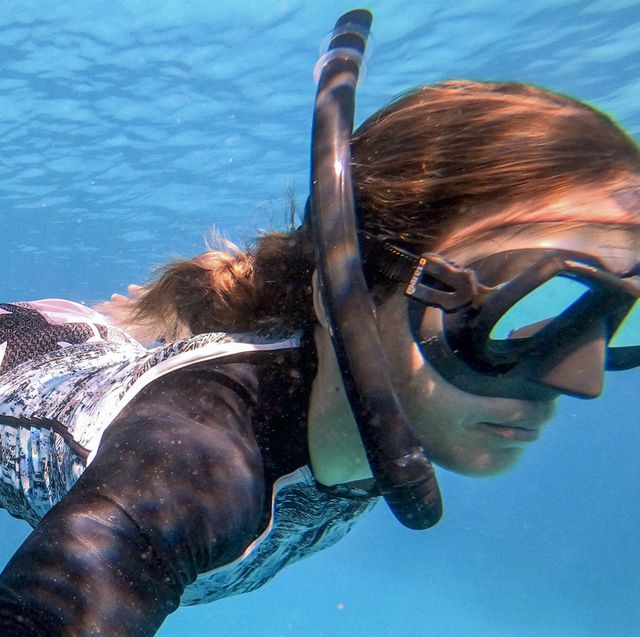
Snorkels: Check for wear on the mouthpiece and make that the purge valve, if any, is functioning properly.
6. Scuba Diving Tanks
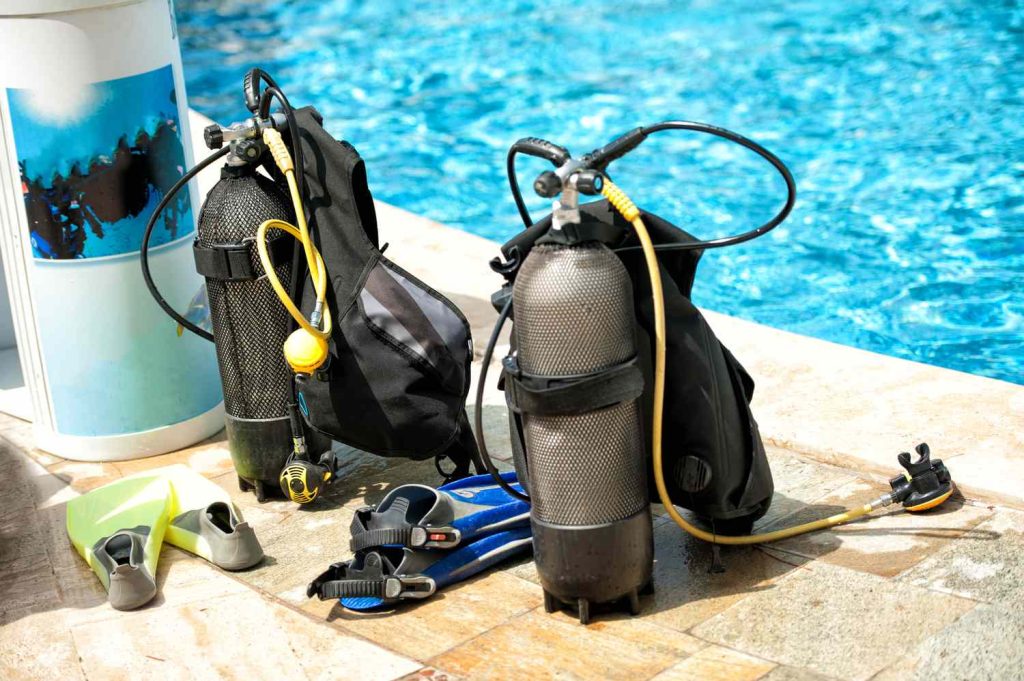
Strict safety requirements must be met by dive tanks:
-
Visual Inspection: Search for rust, dents, and indications of exterior deterioration.
-
Hydrostatic Testing: Verify that the tank’s hydrostatic test date is current. These tests are normally needed every five years.
-
Valves: Verify that the valve is corrosion-free and that it performs smoothly.
7. Add-ons
Checking other gear like knives, compasses, and dive lights is also recommended.
-
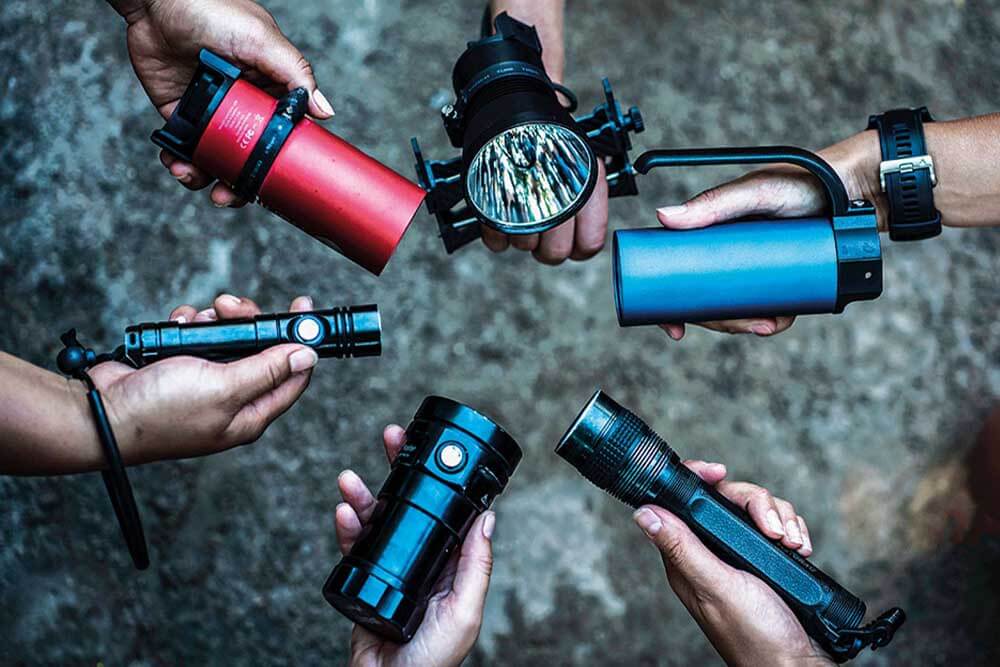
Dive Lights: Examine the functioning and battery life of the dive lights. Make sure the light is watertight and submersible.
-
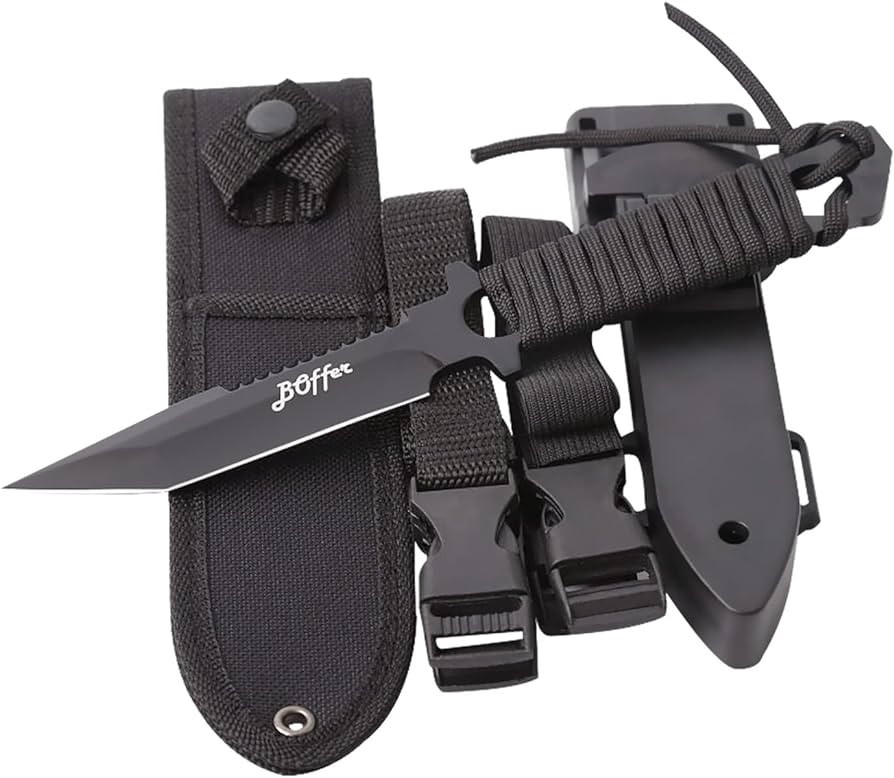
Knives: Check for corrosion, make sure the edge is sharp, and make sure the sheath is tight.
-
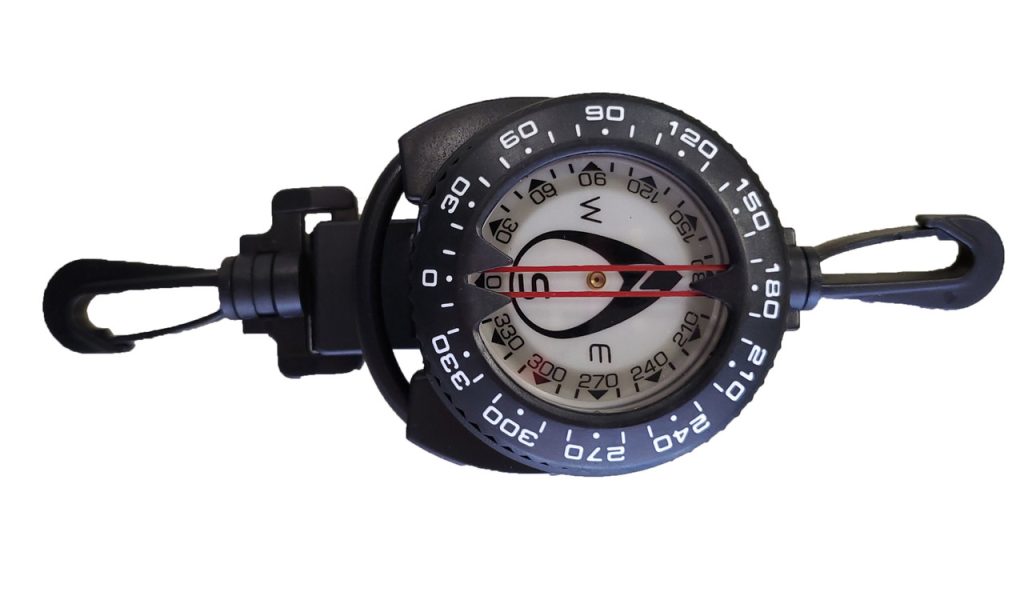
Compass: Check that the needle of your compass travels freely and precisely.
Investing in used diving equipment may be an excellent method to get high-quality gear while saving money. To make sure the equipment is secure and operational, though, a cautious and knowledgeable approach is needed. You may choose used diving equipment with confidence that will serve you well on your underwater travels by according to the above-mentioned criteria. Always put safety and dependability first, and don’t be afraid to ask knowledgeable dive shop staff or seasoned divers for advice if you have any questions. Happy and safe diving!