Whether you are enjoying your vacation or taking diving lessons to become a professional scuba diver, there are some basics that you must know, such as decompression stress.
Know with us in this article about decompression stress and the 8 factors that can affect your decompression stress while scuba diving.
What is Decompression Stress?
Decompression stress is the stress on your body during your ascents from deep depths of water. It can lead to getting decompression sickness(DCS).
The Symptoms of Decompression Stress
The symptoms of decompression stress appear after diving. These symptoms include:
- Malaise.
- Lethargy.
- Decreased vitality.
- A need to sleep.
8 Factors That Can Affect Your Decompression Stress while Scuba Diving
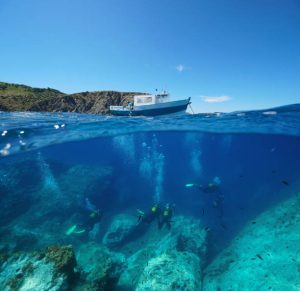
There are 8 factors that can affect your decompression stress while scuba diving, including the following:
-
Dive Parameters
Even if you have the perfect scuba diving equipment, including best snorkels, there are some points that if not planned correctly, leads to decompression stress, including:
- The dive profile.
- The depth of the dive.
- The time at a specific depth.
- The gas mix you use.
- Safety stops.
- Ascent rate.
- Mix changes.
- Repetitive dives
-
Exercise
The timing, intensity and type of the exercise before and after your dive and even at each stage of the dive, can influence the decompression stress.
-
Thermal Status
Thermal status can affect decompression stress from the following points:
- The diving conditions.
- The duration of the dive.
- The thermal changes that may occur at different stages of the dive.
-
Predisposition
Even with the best scuba diving equipment, there are other factors that can affect your decompression stress while scuba diving, such as:
- Age.
- Sex.
- Genetics.
- Circulations.
- Epigenetics.
- Obesity.
- Acclimatization.
- Fitness level.
- Smoking.
- Effects of drugs.
- Your histories from DCS and PFO.
-
Hydration
Both dehydration and hyperhydration are from the important factors that affect your decompression stress while scuba diving.
-
Environment
The condition of the water can affect your decompression stress too, such as:
- The waves.
- The current.
- The surge.
- The distance of the entry/exit point.
- Your seasickness susceptibility.
-
Behavior and Attitude
Behavioral factors, such as, competency, cognitive bias, levels of deviance and complacency have an effect on DCS.
Altitudes including:
- Challenging practices and ideas.
- Depending on equipment and technology.
- Peer pressure.
- Pushing boundaries.
-
Communication
You must have the proper briefings and debriefings and also to be honest with yourself and your scuba instructor about the abilities you have.
There are up to 3.5 million scuba divers in the United States and about 6 million active divers worldwide. Any of them can suffer from decompression stress.
So, as a scuba diver, you should:
- Stay on course.
- Stay within the correct depth.
- Stay well hydrated.
- Conduct a longer safety stops.