Imagine diving into the glistening clear waters of a tropical reef, surrounded by colorful marine life, and knowing that you will be able to explore for longer and recover from the experience with less tiredness. This is a reality that Nitrox has made feasible, not just a diver’s fantasy. Nitrox, or Enriched Air Nitrox, has become a game-changer for scuba divers who are always looking for methods to improve their underwater experiences. Nitrox creates additional opportunities by providing longer bottom durations and shorter surface intervals. However, what is Nitrox actually and how does it transform scuba diving? Join us as we discuss Nitrox’s crucial function in scuba diving.
Comprehending Nitrox
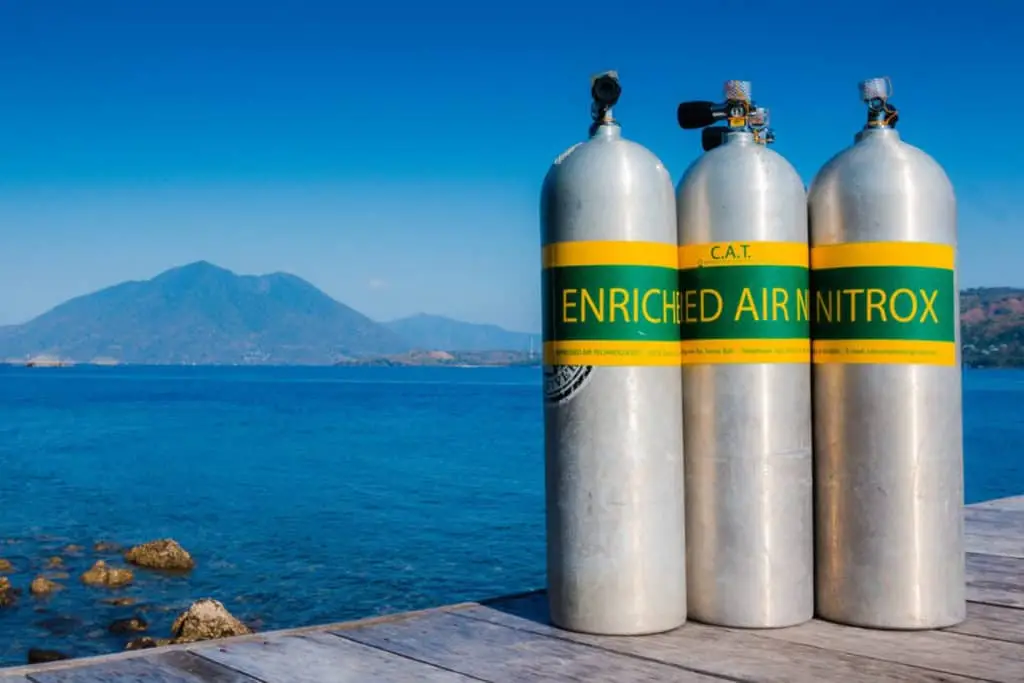
EAN32 (32% oxygen) and EAN36 (36% oxygen) are the most popular recreational blends of Nitrox mixtures, which normally contain between 22% and 40% oxygen. Reducing the amount of nitrogen in the breathing atmosphere is the main goal of utilizing Nitrox. Divers may lessen the amount of nitrogen that they absorb into their bodies by doing this, which has a number of important benefits.
Advantages of Nitrox
-
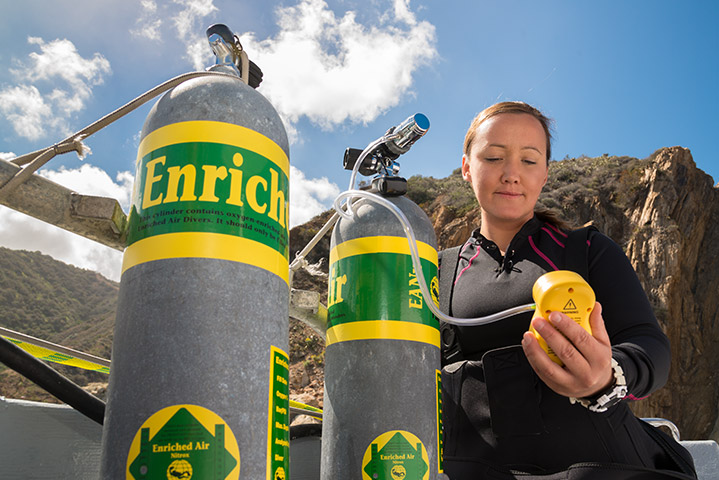
Prolonged Bottom Time: The possibility of a prolonged bottom time is one of the most noteworthy advantages of diving with Nitrox. Higher oxygen contents help divers to stay underwater longer without going over no-decompression limitations because less nitrogen is absorbed, which is the main factor limiting dive length. In cases where nitrogen build-up from prior dives might restrict subsequent dive times, this is especially helpful for recurrent dives.
-
Reduced Surface Intervals: Nitrox use can also reduce the amount of time that must pass between surface dives. Divers may off-gas faster because they absorb less nitrogen, which shortens the time they must spend on the surface before safely starting another dive.
-
Decreased Fatigue: After diving on Nitrox as opposed to ordinary air, many divers say they feel less exhausted. Decompression sickness and its associated symptoms are said to be less common due to the decreased nitrogen load on the body, however, this advantage is mostly anecdotal and differs from diver to diver.
-
Safety margins: The decreased nitrogen absorption from Nitrox can offer an extra safety buffer for divers using air dive tables or computers configured for air, perhaps reducing the chance of decompression sickness.
Restrictions & Consideration
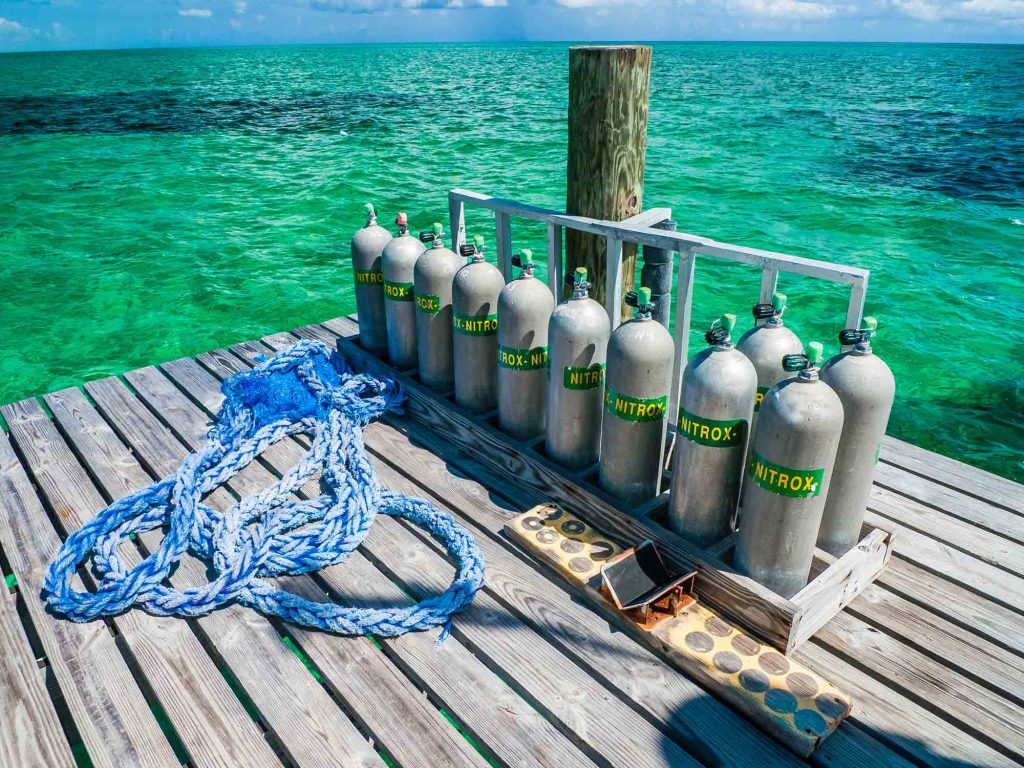
Nitrox has drawbacks and things to keep in mind despite its advantages:
-
Oxygen Toxicity: Particularly at deeper depths, higher oxygen concentrations raise the possibility of oxygen poisoning. Underwater, central nervous system (CNS) poisoning can result in potentially fatal convulsions. The maximum operating depths (MOD) for divers’ particular Nitrox mix, which are usually shallower than those for air, must thus be rigorously followed.
-
Required Special Training: To utilize Nitrox safely, divers must complete certain training. Topics covered in this course include oxygen toxicity, how to properly analyze Nitrox mixes, and how to utilize computers and diving tables made specifically for Nitrox.
-
Equipment Compatibility: Certain scuba gear, particularly mixed with a greater oxygen concentration, is incompatible with Nitrox. To reduce the risk of fire or explosion, regulators, tanks, and other equipment must be oxygen-clean and compatible.
-
Cost and Availability: Nitrox is becoming more widely accessible, although it’s not always available at dive sites, and it can cost more than regular air fills. When organizing their dives, divers should confirm the pricing and availability.
The Increasing Adoption of Nitrox
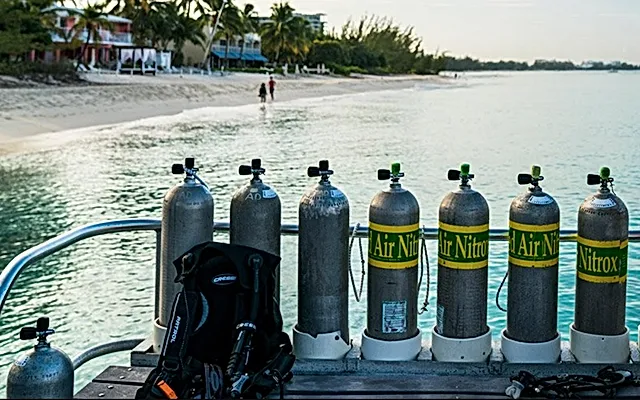
Since its launch, Nitrox has been used more often because of its obvious advantages for both technical and recreational divers. Many dive shops around the world now offer Nitrox as a common option due to advancements in training, equipment, and availability. Specialized Nitrox courses are available from organizations like PADI, NAUI, and SSI, making it possible for divers to acquire the required expertise.
Nitrox is also a popular choice among divers who want to improve their diving experiences because of the growing understanding of the value of dive safety and the advantages of longer bottom periods. People who spend a lot of time at relatively shallow depths, such as wreck divers, marine scientists, and underwater photographers, really like it.
With longer bottom periods, shorter surface intervals, and perhaps higher safety margins, Nitrox has unquestionably revolutionized scuba diving. Divers who want to get the most out of their underwater experiences will find it to be a useful tool, even though it comes with extra training and planning requirements. Nitrox will become even more indispensable in today’s diving practices as the diving community continues to accept it, therefore increasing both the safety and enjoyment of scuba diving. Happy and safe diving!