What Wetsuits Are For?
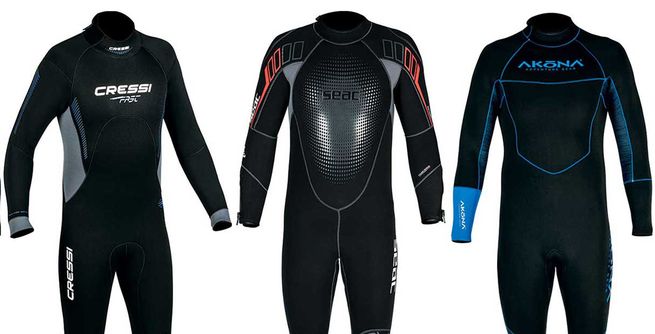
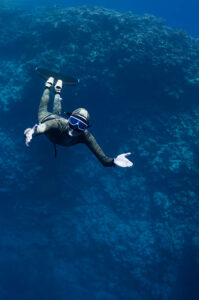
Insulation against heat loss is the main purpose of a wetsuit. Divers may rapidly lose body heat, even in comparatively warm water, as water carries heat away from the body around 25 times more effectively than air. Divers can stay underwater longer and lower their risk of hypothermia by wearing a wetsuit, which helps to retain body heat.
Components of Wetsuits
-
Neoprene: Neoprene is a synthetic rubber that provides exceptional flexibility and insulation. It is the main component of most wetsuits. Little closed-cell foam bubbles found in neoprene enhance buoyancy and heat retention. This material may be ordered in varied thicknesses, usually between 2 and 7 mm, to accommodate a range of diving conditions and water temperatures.

-
Laminates: To increase its flexibility and durability, neoprene is frequently laminated with other materials like spandex or nylon. These outer layers facilitate mobility while shielding the neoprene from rips and abrasions.
-
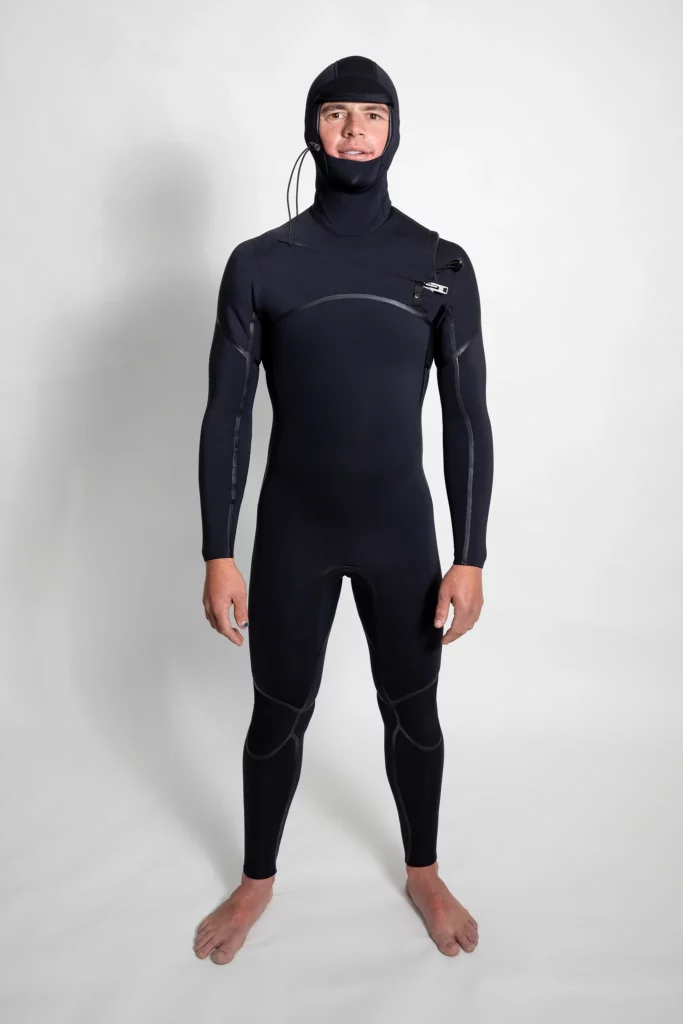
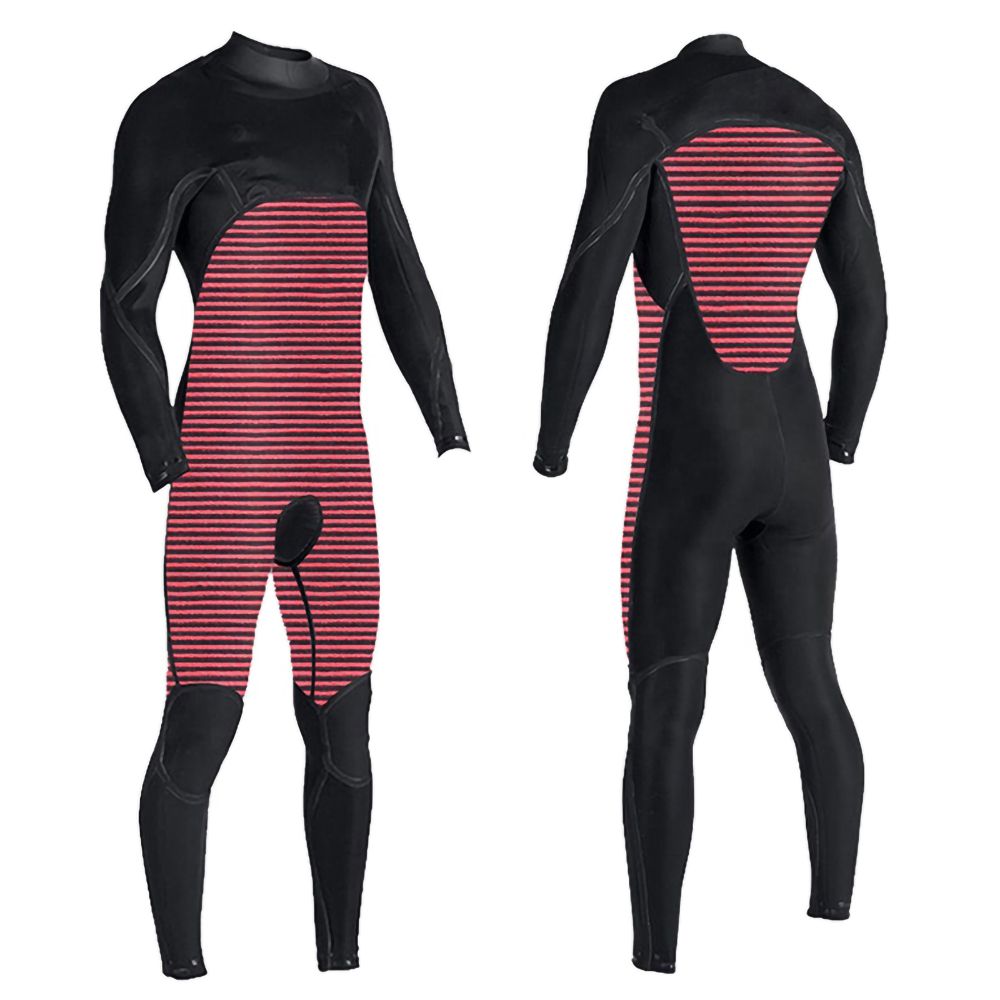
Thermal Linings: Made from fleece or specialty synthetic fabrics, thermal linings are a common feature of contemporary wetsuits. These linings increase the suit’s overall comfort level and provide an additional layer of insulation.
-
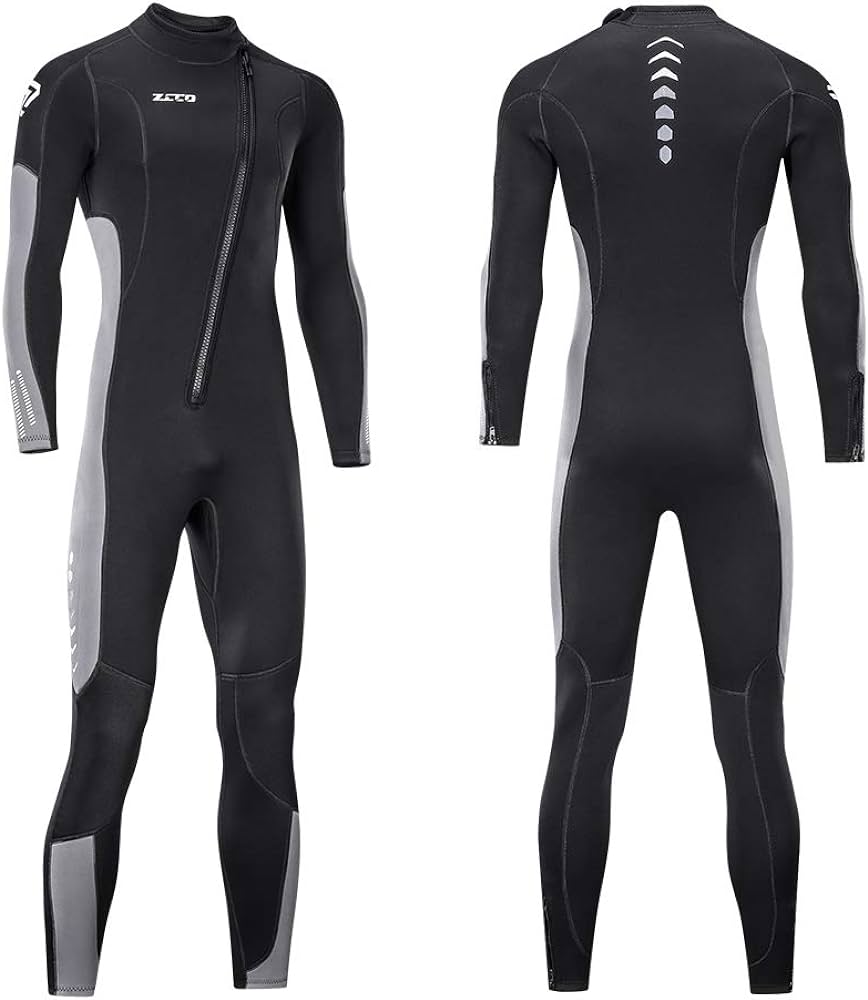
Seals and Zippers: A wetsuit’s seams are essential to preserving its insulating qualities. Common methods for reducing water infiltration include liquid tape seams, bonded and blind stitching, and flatlock stitching. Moreover, premium zippers with internal flaps and seals at the neck, wrists, and ankles aid in preventing water from seeping into the suit.
Both Purpose and Style
-
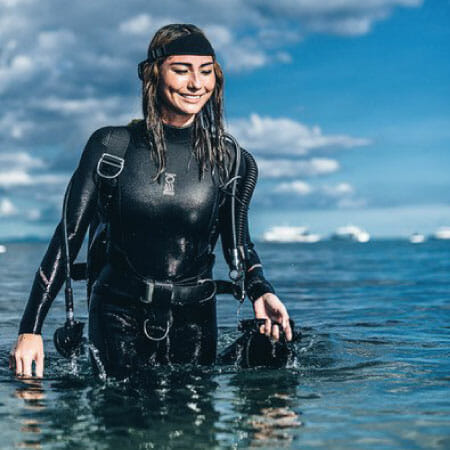
Thermal Insulation: The foam structure of the neoprene keeps a small amount of water between the diver’s body and the suit. Body heat warms this layer of water, forming an insulating layer that drastically lowers heat loss.
-
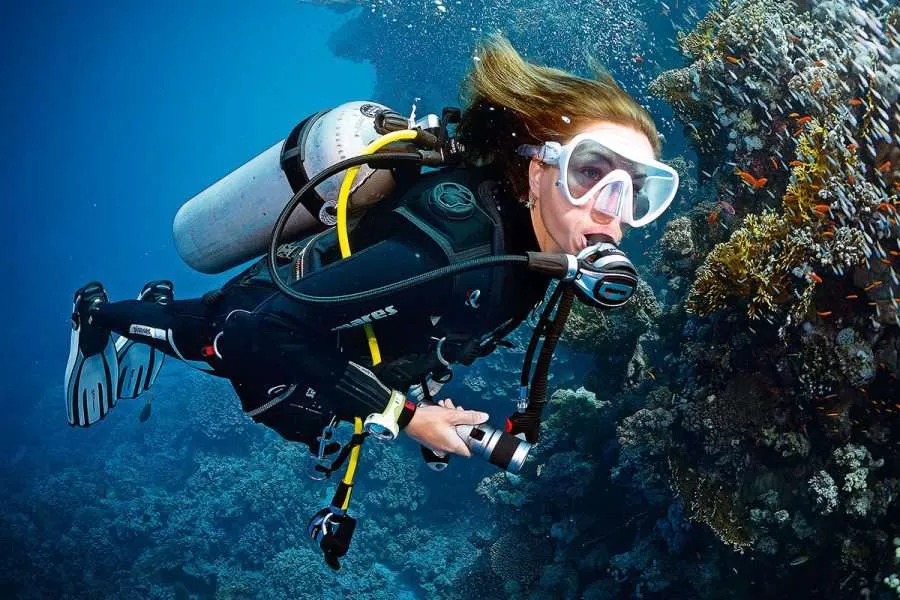
Control of Buoyancy: The buoyant qualities of neoprene assist divers in maintaining appropriate buoyancy. More buoyancy is provided by thicker suits, which is useful in cold water but may necessitate the addition of weights to reach neutral buoyancy.
-
Protection: Wetsuits offer a shield against possible dangers including jagged coral, rough rocks, and venomous aquatic creatures in addition to acting as thermal insulation. When diving in sunny circumstances, they also provide UV protection.
-
Flexibility and Fit: Insulation and flexibility are balanced in the design of contemporary wetsuits. Diving enthusiasts should be able to swim and maneuver easily in a well-fitting wetsuit that is snug without being too tight. Neoprene technological advancements like the creation of super-stretch neoprene have greatly enhanced the fit and flexibility of wetsuits.

Varieties of wetsuits
-
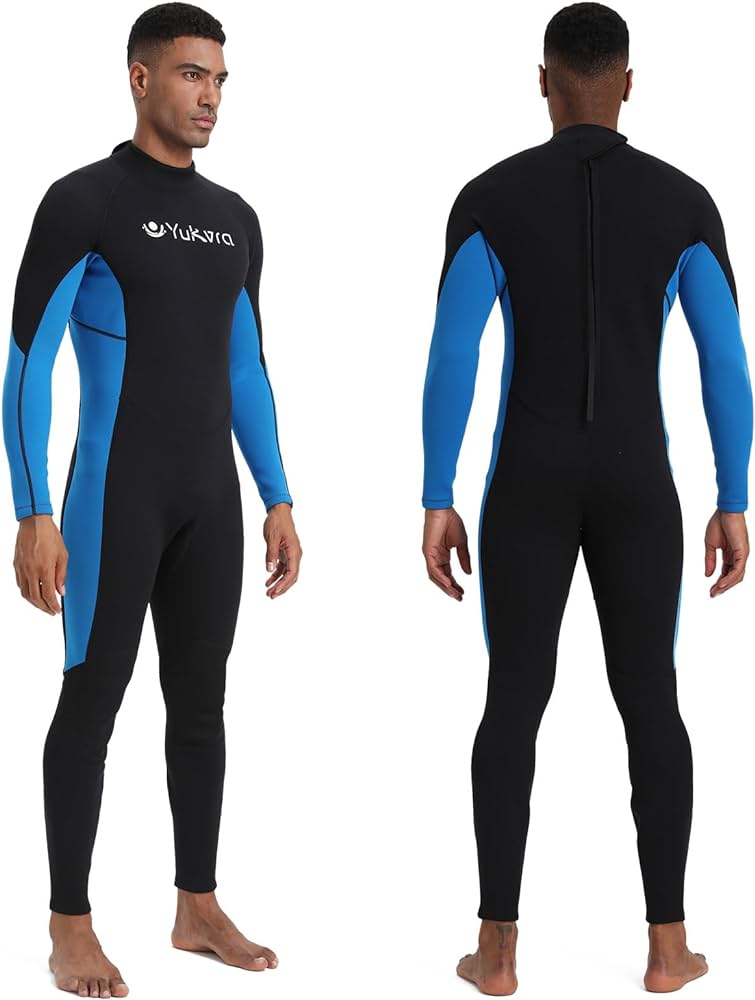
Full wetsuits: These cover the arms and legs as well as the full body. These offer the highest level of protection and are perfect for chilly waters.
-
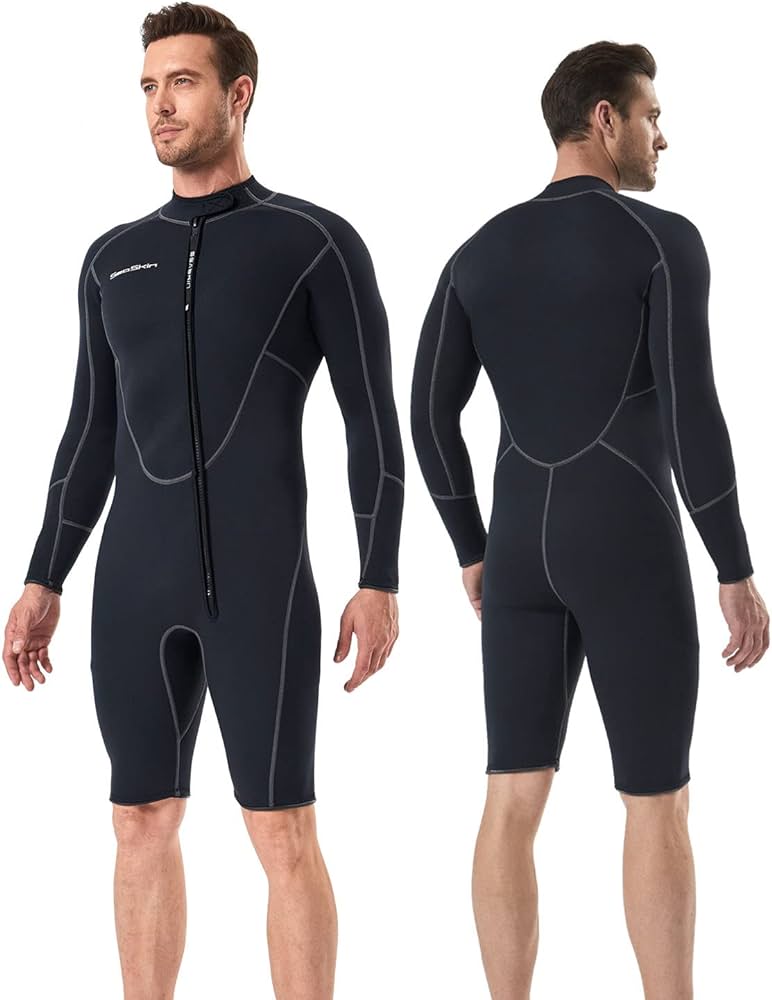
Shorty Wetsuits: Designed to provide more comfort and range of motion in warmer waters, these suits have short sleeves and legs.
-
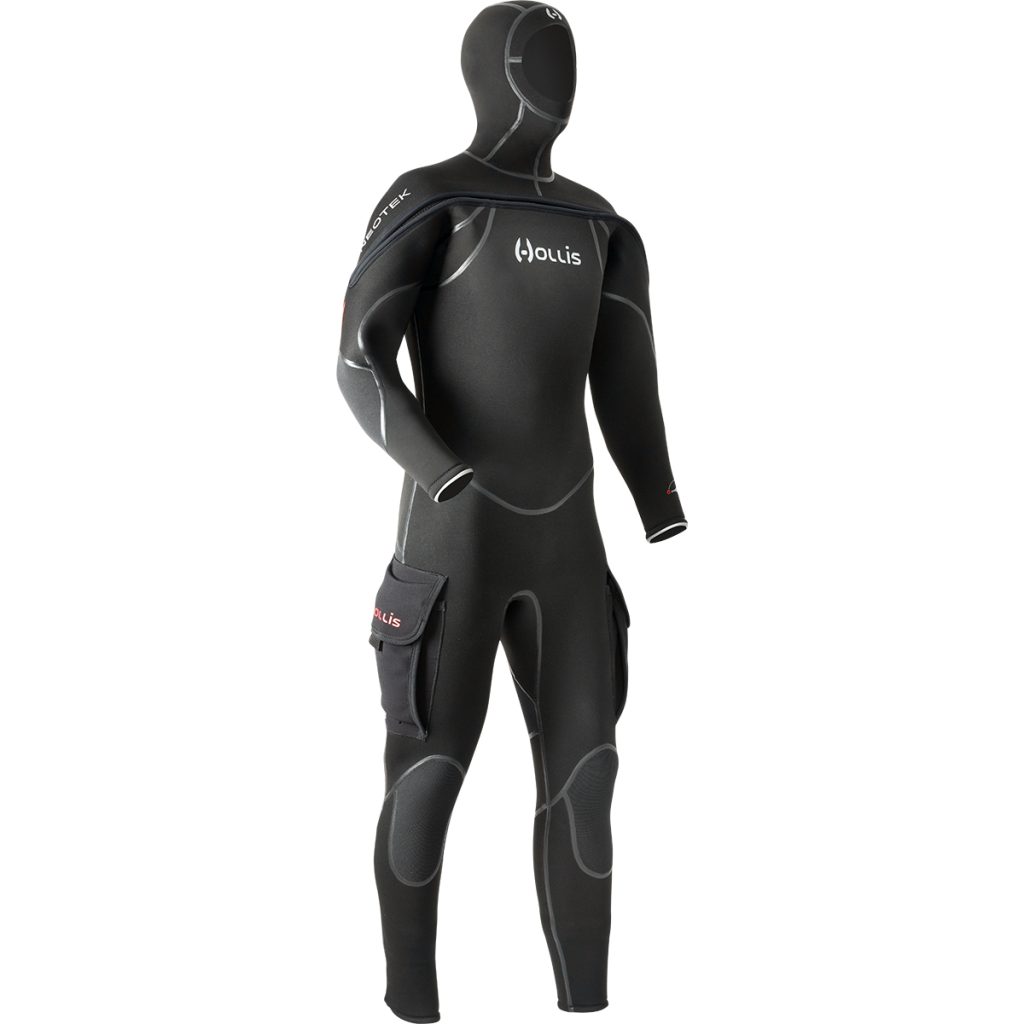
Semi-dry wetsuits: These have improved seals to reduce water infiltration and combine aspects of wetsuits and drysuits. They work well in cooler water conditions when a full dry suit may not be required.
-
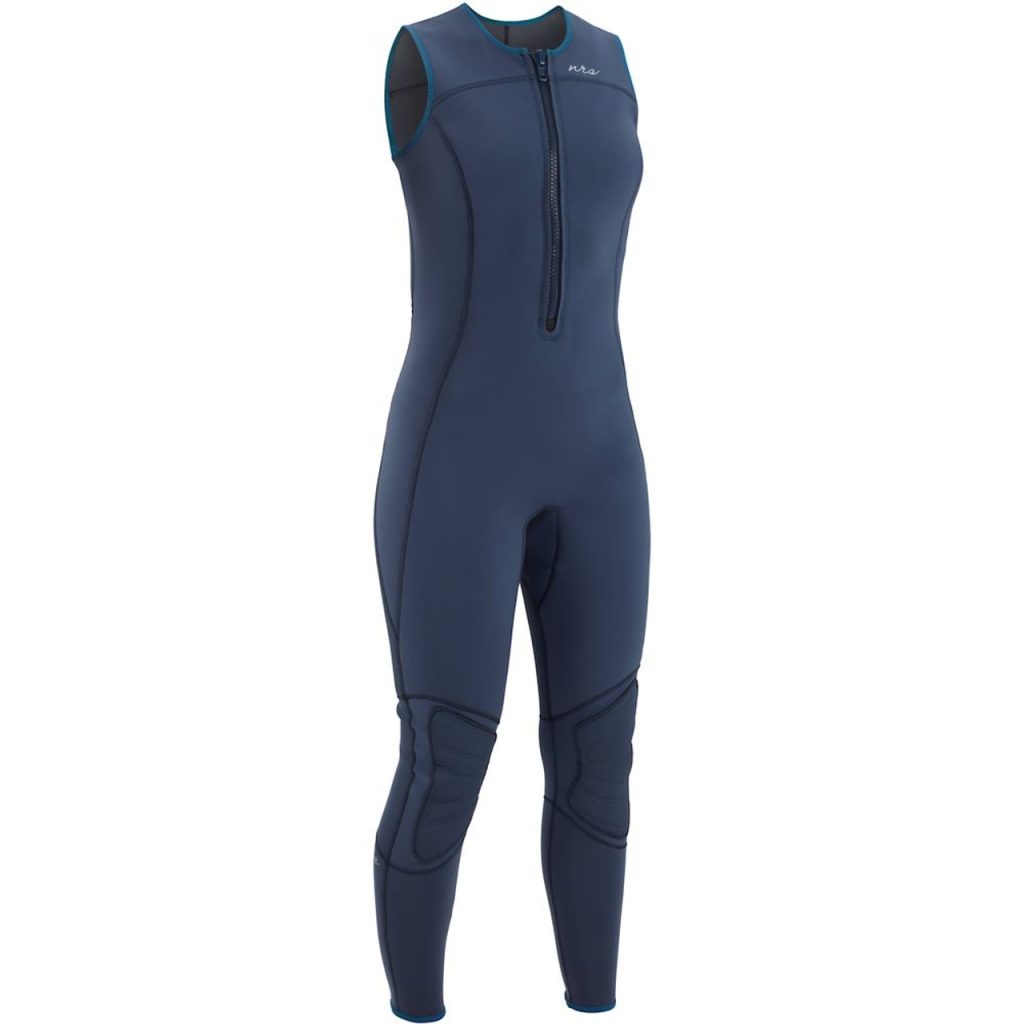
Farmer John/Jane Wetsuits: Usually worn with an additional jacket, these have a sleeveless top and full-length legs. This kind provides extra warmth for the core together with flexibility.
How to Maintain Your Wetsuit
Wetsuit lifespans can be increased with proper upkeep and care. The materials may be shielded against deterioration and damage by rinsing the suit with fresh water after every dive, drying it out of direct sunshine, and storing it flat or on a broad hanger.
A testament to contemporary materials technology, wetsuits provide divers with a dependable method of physical safety, buoyancy control, and thermal protection. Divers may improve their underwater experience and ensure comfort and safety in the intriguing world under the waves by knowing the materials and functions of wetsuits. Happy and safe diving!