Without ever leaving the comforts of dry ground, picture yourself exploring the deepest, darkest recesses of the ocean, where sunshine has never touched, and discovering new species, historic shipwrecks, or secret underwater sceneries. Underwater Remotely Operated Vehicles (ROVs) are cutting-edge robotic marvels that are transforming marine exploration, science, and business. This is their magic. Robotic underwater vehicles (ROVs) are our eyes, hands, and senses under the seas, offering up a world of possibilities in the last frontier on Earth, whether traveling the darkest depths of the abyss or carrying out complex repairs on underwater infrastructure.
The Development of ROVs
Originally, industrial uses were the main focus of ROV development, especially in the offshore oil and gas sector. The functions of the early models were restricted and they were crude. But technological developments have significantly increased their powers and uses. These days, modern ROVs are used for many other purposes, such as underwater rescue operations, environmental monitoring, marine biology, and archeology.
Technology and Components
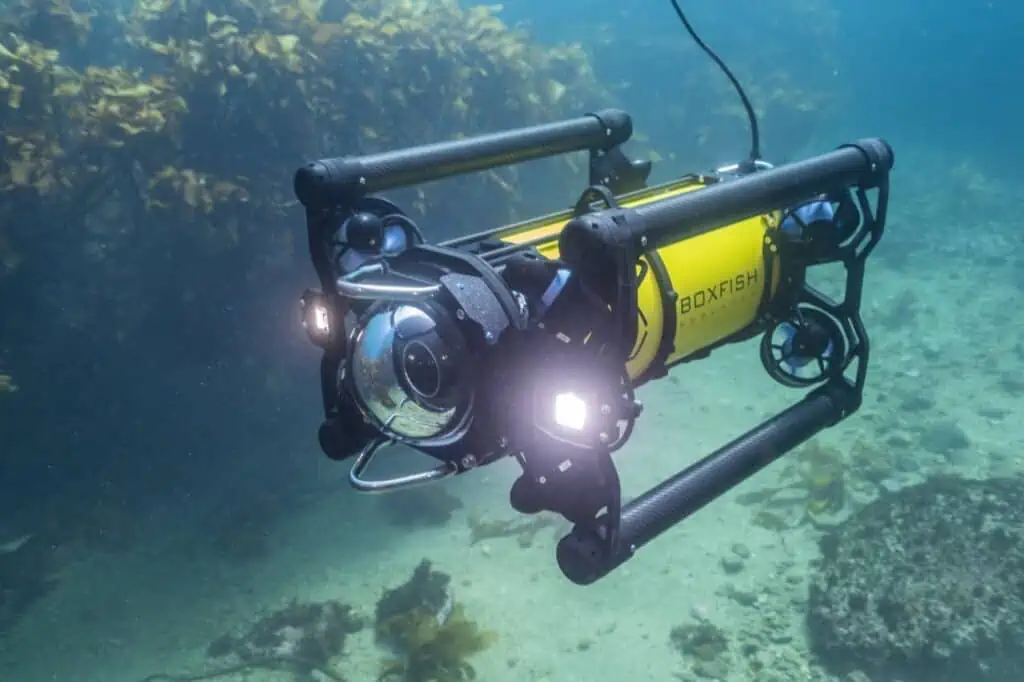
The following elements are commonly seen in a ROV system:
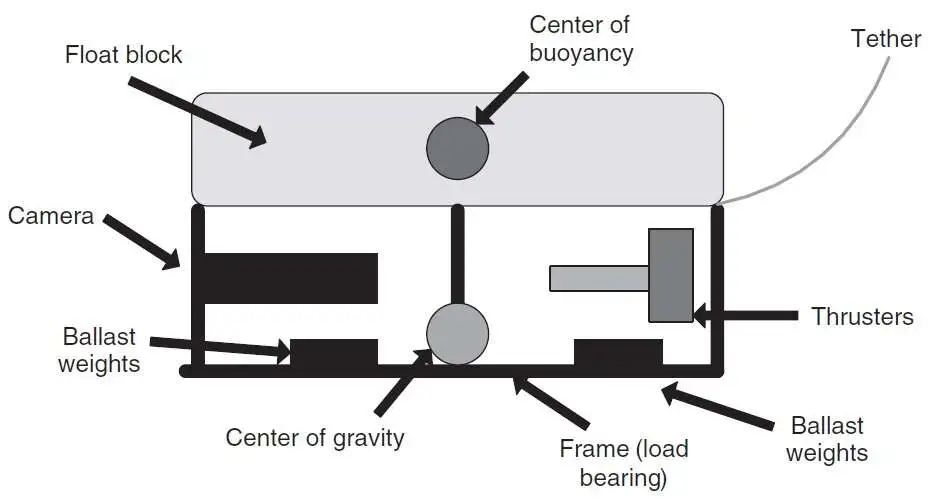
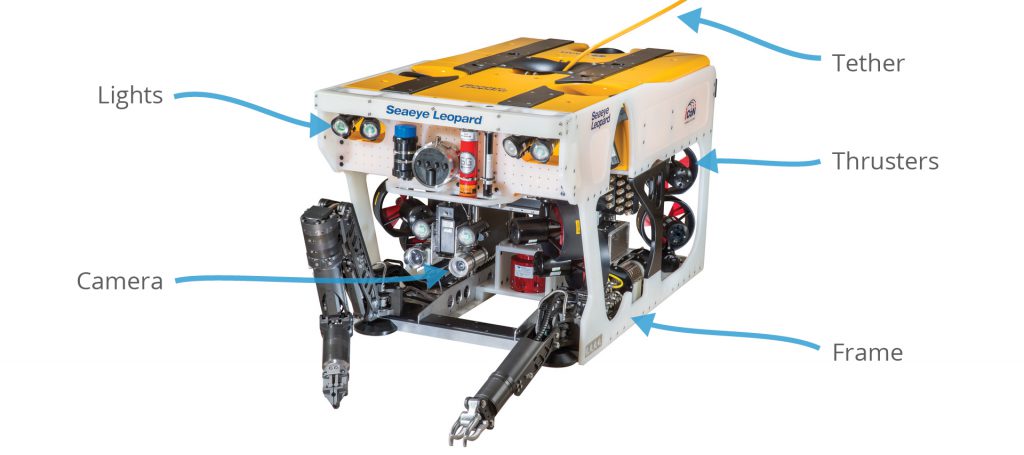
- Vehicle Frame: The interior components are protected and given structural support by the frame.
- Thrusters: These allow the car to move in various directions.
- Cameras and Lighting: Clear vision of underwater settings is made possible for operators by high-definition cameras and strong lighting.
- Sensing devices: These devices are capable of measuring salinity, temperature, depth, and other environmental factors.
- Manipulator arms: These are employed for working with items, gathering materials, and fixing things.
- Tether: Power, data, and video signals are sent via a cable that joins the ROV to the control station.
Utilizing ROVs
1. Scientific Investigations:
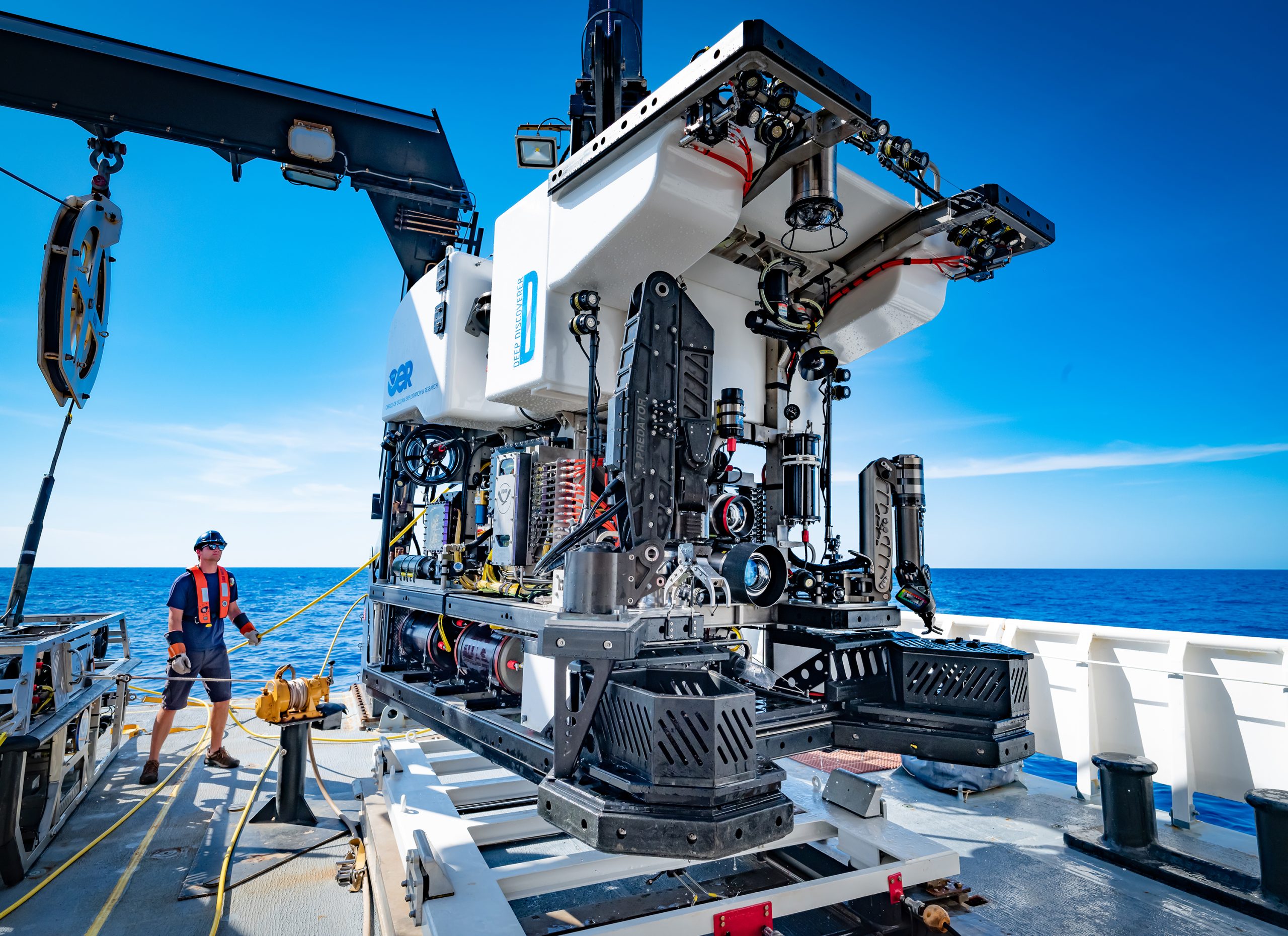
- Marine Biology: Without disrupting the marine environment, scientists can research marine life using remotely operated vehicles (ROVs). They are able to gather samples, study behavior, and investigate deep-sea environments.
- Oceanography: By measuring oceanographic variables like temperature, chemical composition, and current flow, sensors aboard ROVs help us better comprehend the dynamics of the ocean.
2. Industrial Application:
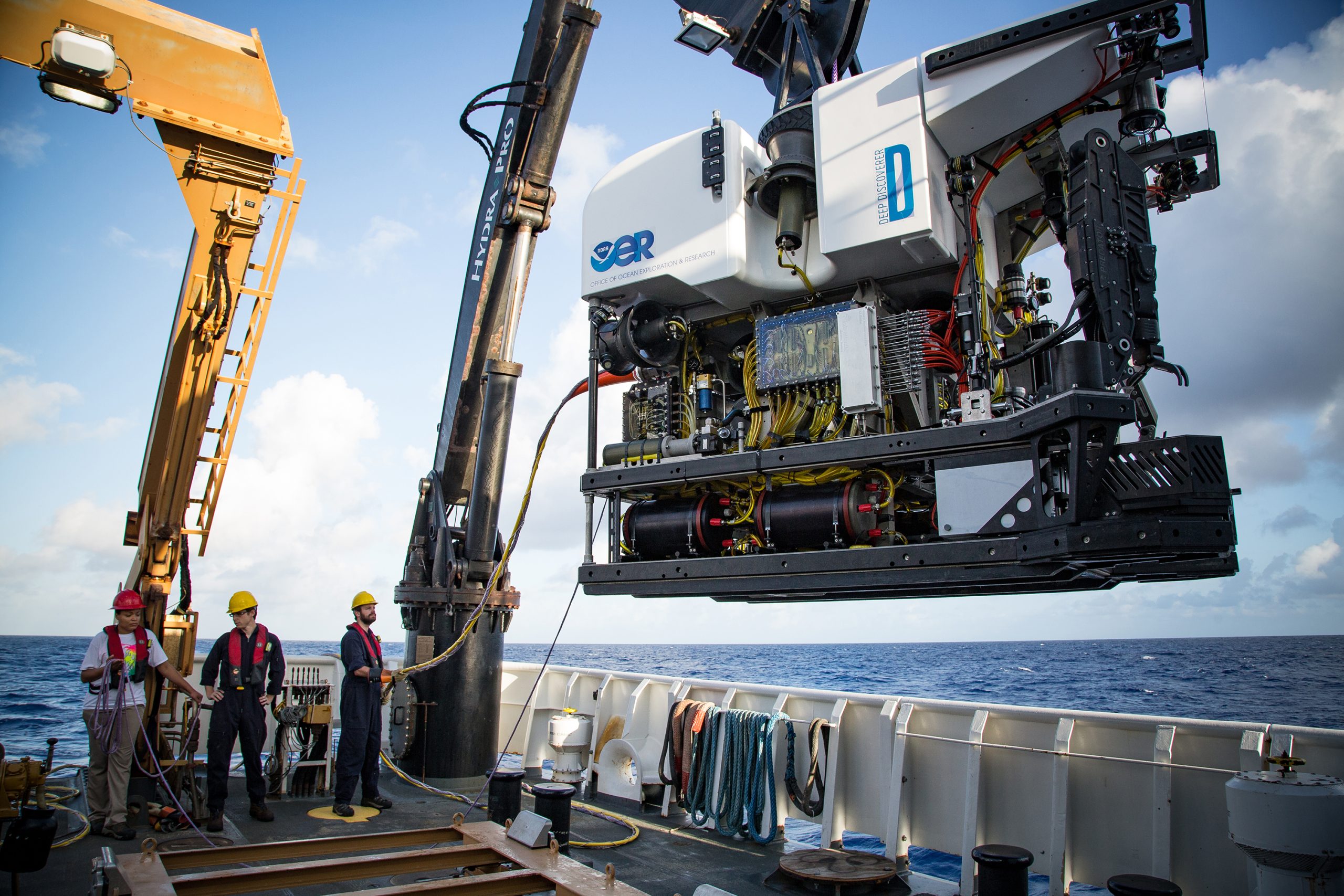
- Oil and Gas Industry: ROVs operate at depths where human divers cannot safely work, inspecting, maintaining, and repairing offshore rigs and pipelines.
- Underwater Construction: They support the installation of underwater cables, the building of submerged infrastructure, and the maintenance of reservoirs and dams.
3. Environmental Surveillance:
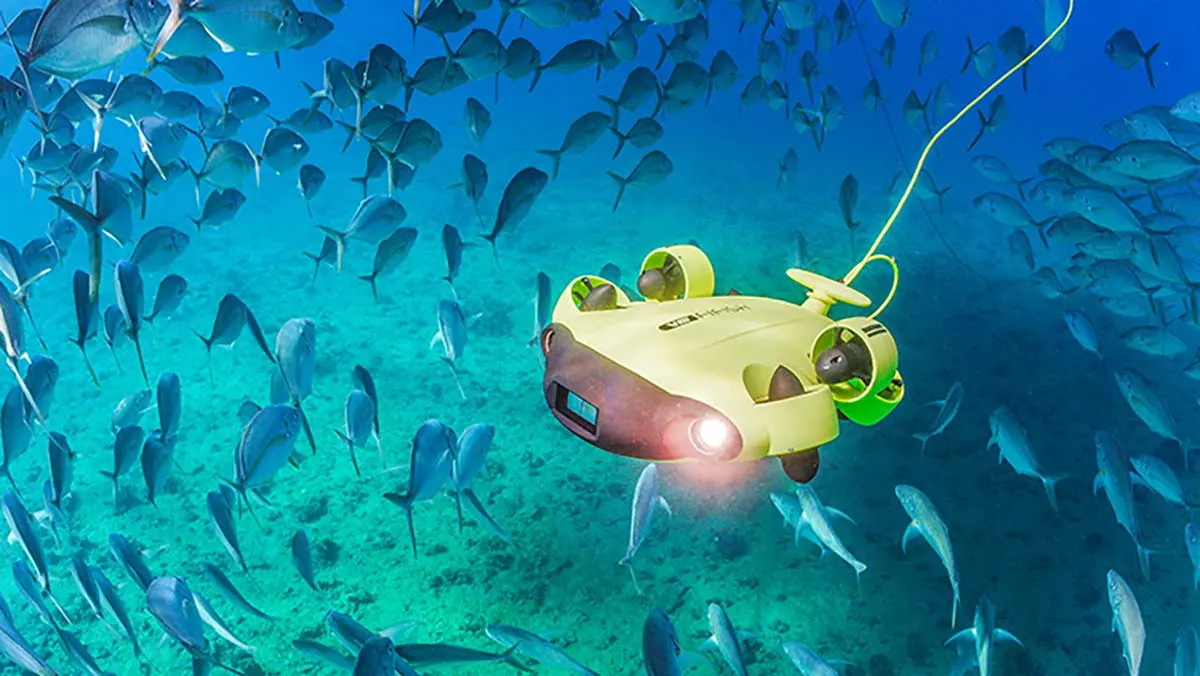
- Control of Pollution: ROVs are able to keep an eye on the condition of the water, identify contaminants, and evaluate how human activity affects aquatic habitats.
- Conservation of Habitat: They assist in the mapping and preservation of delicate underwater environments, such as seagrass beds and coral reefs.
4. Archaeological Research:
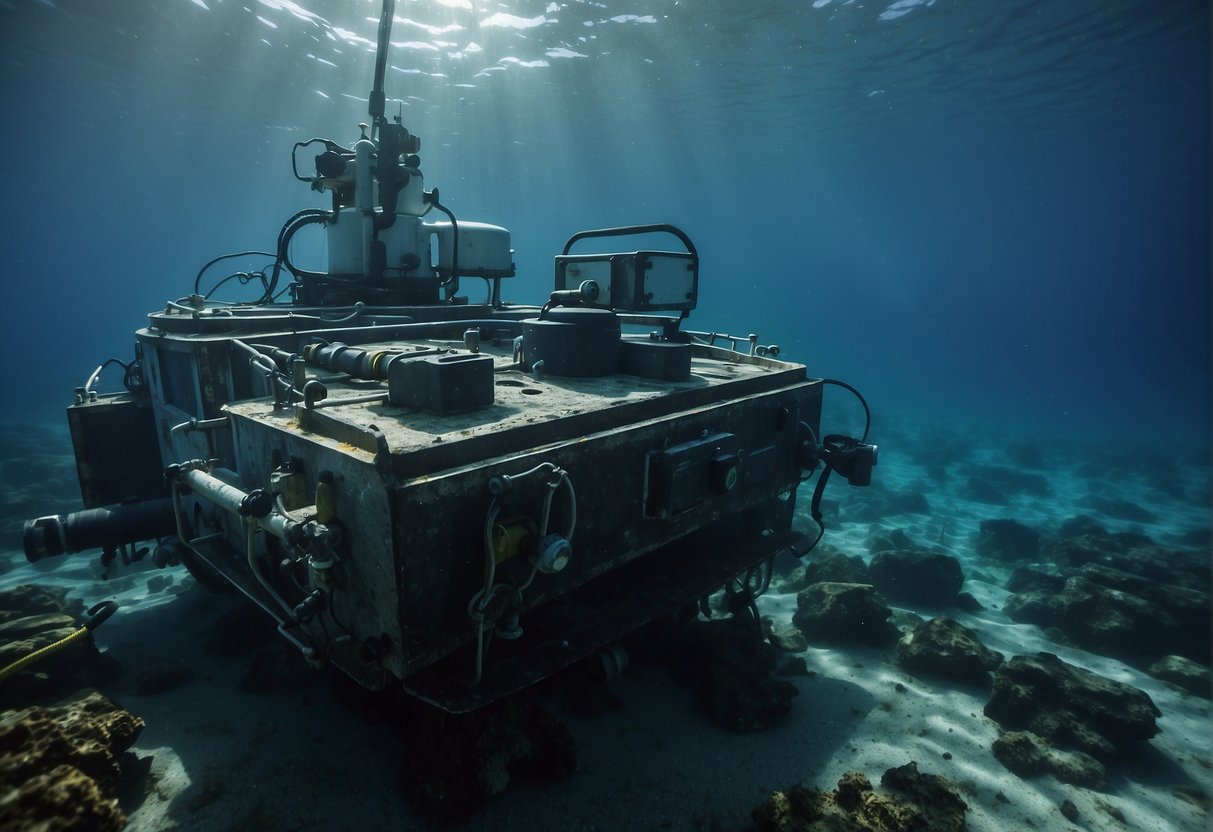
- Underwater archaeology: By offering high-resolution photos and accurate mapping of underwater locations, ROVs assist archaeologists in their exploration of shipwrecks and submerged towns.
5. Missions of Rescue and Recovery:
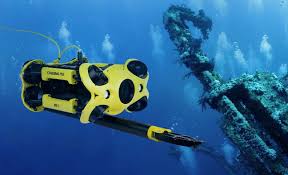
- Search and Rescue: ROVs are used in emergency situations to find and retrieve things or people from underwater ruins.
- Accident Investigation: By offering thorough visual recordings, they help with the investigation of underwater incidents, such as shipwrecks and airplane crashes.
Benefits from the Use of ROVs
- Safety: By doing away with the necessity for human divers in dangerous situations, ROVs lower the possibility of harm or even death.
- Accessibility: They increase the range of underwater investigation by being able to reach regions and depths that are not accessible to human divers.
- Cost-Effectiveness: Although ROV technology requires a substantial initial investment, over time it can save expenses associated with human diving operations.
- Precision: The accuracy with which ROVs can carry out activities and gather comprehensive data enhances the caliber of research and inspections.
Obstacles and Prospects for the Future
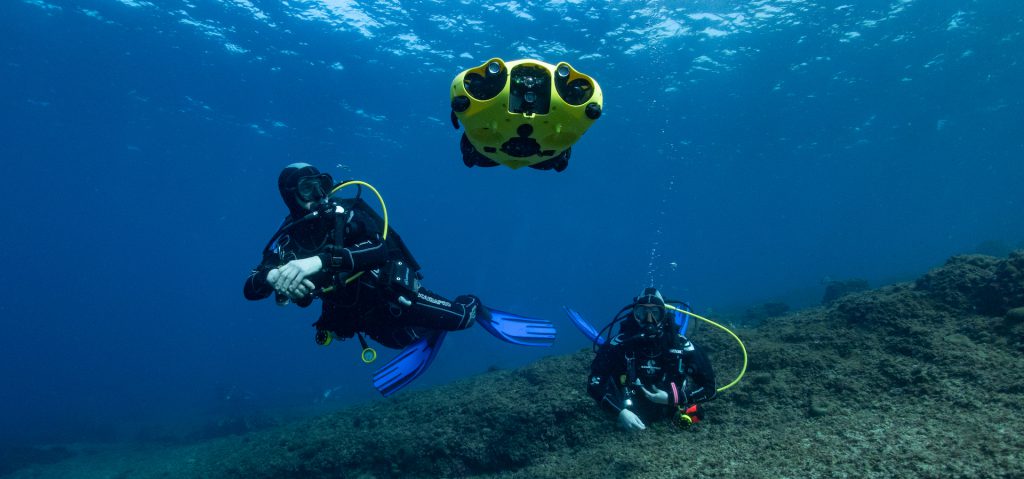
ROVs have benefits, but they also have drawbacks, such as short battery life, tether management, and the requirement for experienced operators. These problems are being addressed by ongoing developments in autonomy, battery technology, and artificial intelligence, which will increase the effectiveness and capability of ROVs.
We should anticipate seeing more AI-enhanced autonomous ROVs in the future that can do challenging jobs with little assistance from humans. This will advance our knowledge of and efforts to preserve the aquatic ecosystem while also opening up new vistas for underwater research.
Our capacity to investigate and operate in underwater environments has been completely transformed by underwater ROVs, which are invaluable instruments. Their applications in a variety of disciplines demonstrate their significance and adaptability. ROVs will surely become increasingly more important as technology develops in solving the mysteries of the deep sea and preserving our seas for future generations. Happy and safe diving!