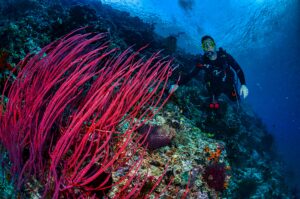
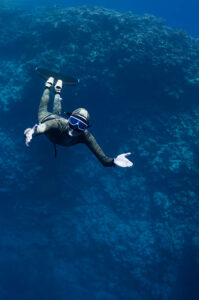
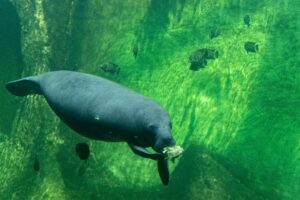
Imagine these undersea marvels against the backdrop of places so important that international decrees have been put in place to safeguard them. Embark on an unforgettable voyage through some of the most pristine and valued habitats on Earth with every dive at UNESCO World Heritage sites. Under the waters, this is where nature and history converge, providing divers with a unique opportunity to see underwater treasures that have gained international acclaim for their remarkable aesthetics and ecological significance.
Top Scuba Diving Locations in UNESCO World Heritage Sites
1. Australia’s Great Barrier Reef
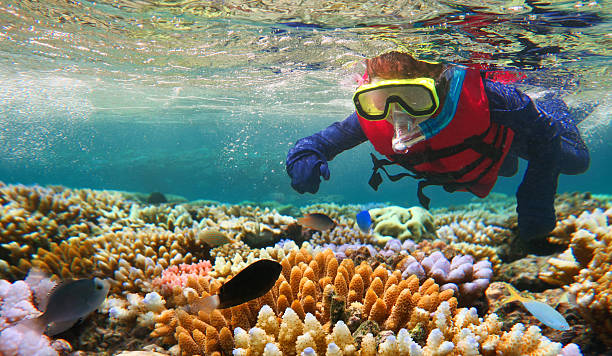
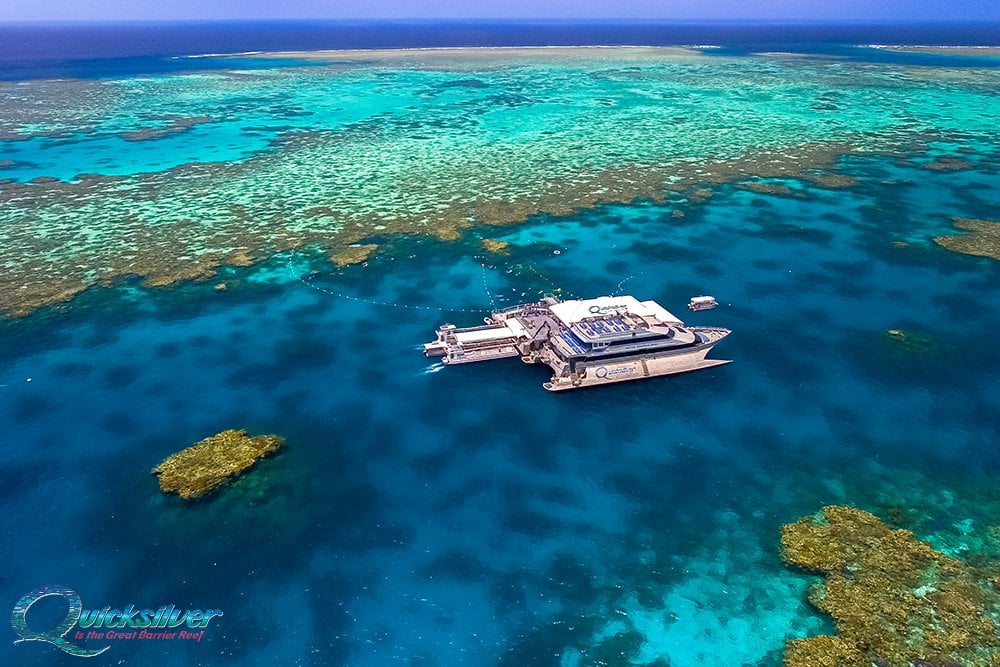
Undoubtedly, the world’s most renowned diving site is the Great Barrier Reef. Stretching more than 2,300 kilometers along Queensland’s coast, it is the world’s biggest coral reef system. Divers may see a variety of marine life, such as sharks, rays, and turtles, as well as colorful coral gardens and the phenomena of coral spawning. For any scuba diver, a trip to the Great Barrier Reef is essential.
2. System of Belize Barrier Reef Reserve, Belize
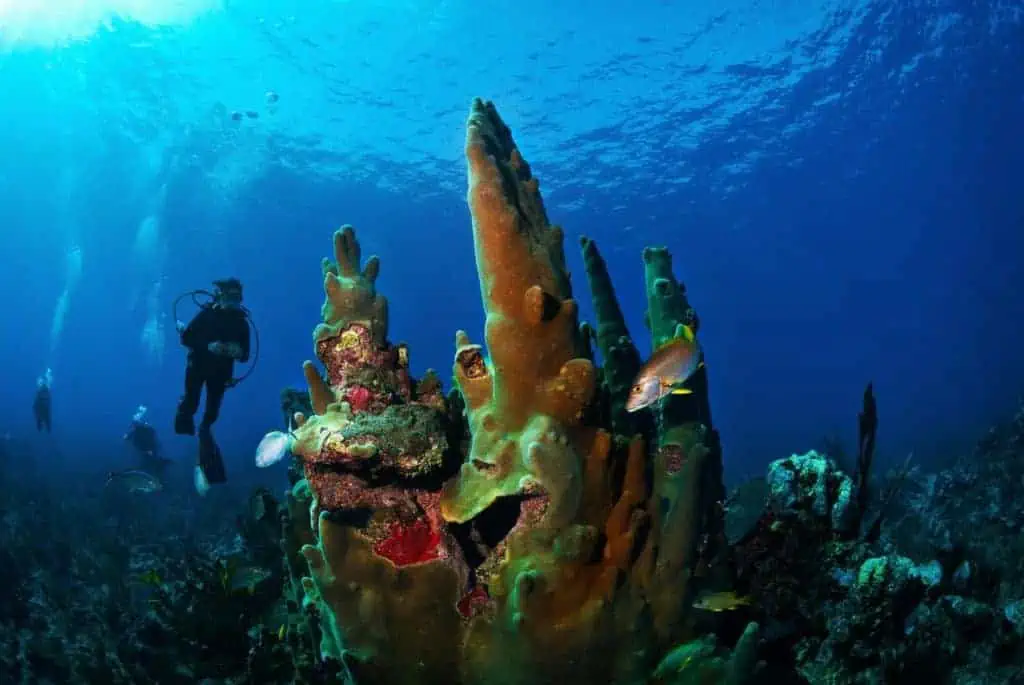
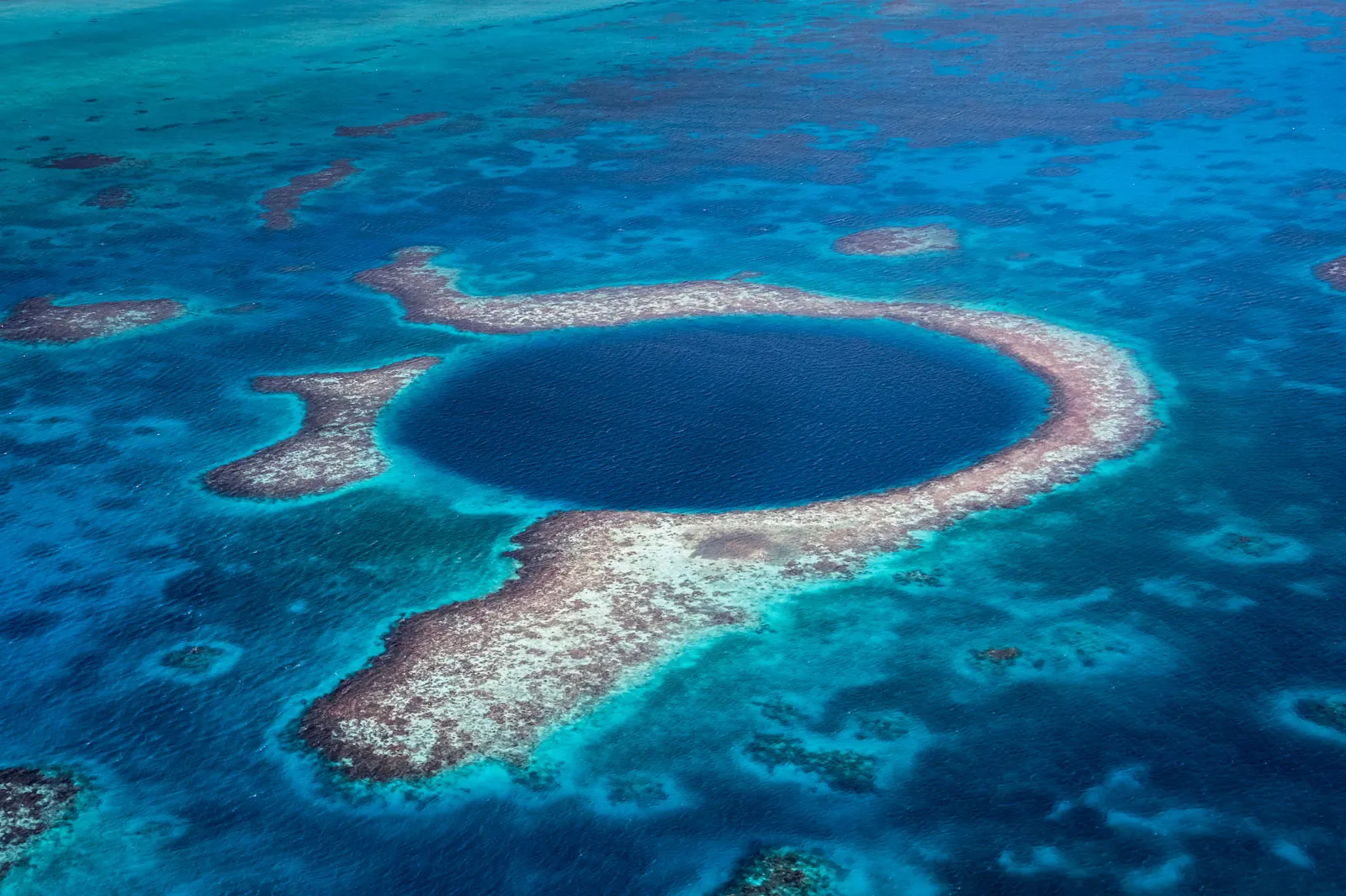
The second-largest coral reef system in the world and a hotspot for marine biodiversity is the Belize Barrier Reef. The Great Blue Hole, a massive marine sinkhole with deep blue waters and stalactites that provide a unique diving experience, is one of the notable dive locations. Underwater photographers will find heaven in the reef, which is home to a wide variety of fish, crustaceans, and coral species.
3. The Ecuadorian Galápagos Islands
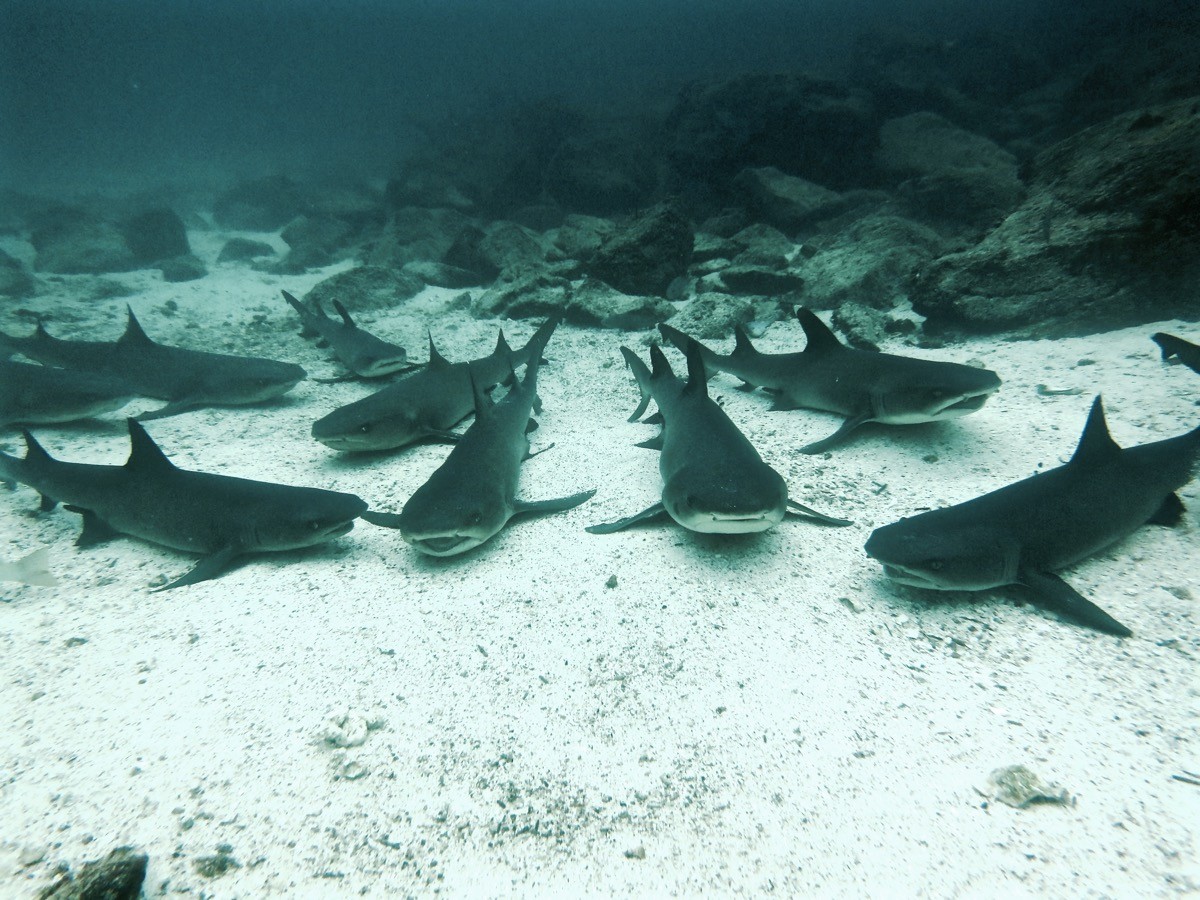
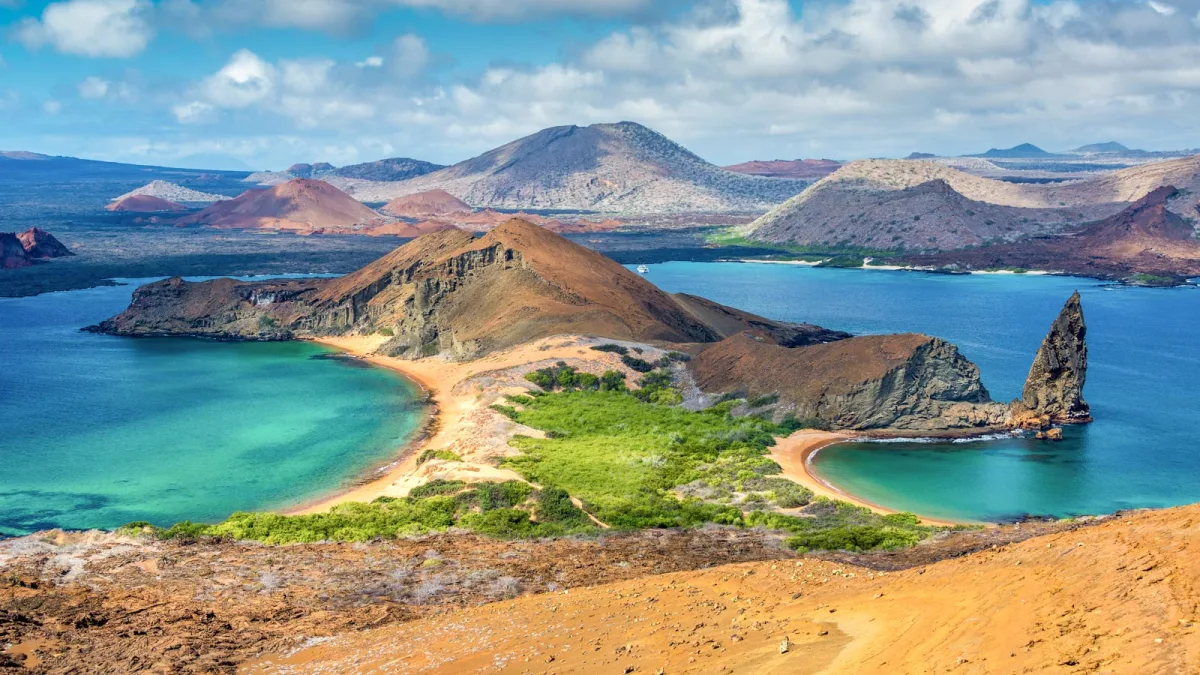
Famous for their distinct fauna, the Galápagos Islands have made major contributions to the field of evolution research. This marine reserve offers divers the chance to interact with whale sharks, hammerhead sharks, sea lions, and the uncommon marine iguana. It is a diver’s paradise. Nutrient-rich waters draw an abundance of marine life, making for amazing diving experiences that emphasize the islands’ ecological significance.
4. Philippines’ Tubbataha Reefs Natural Park
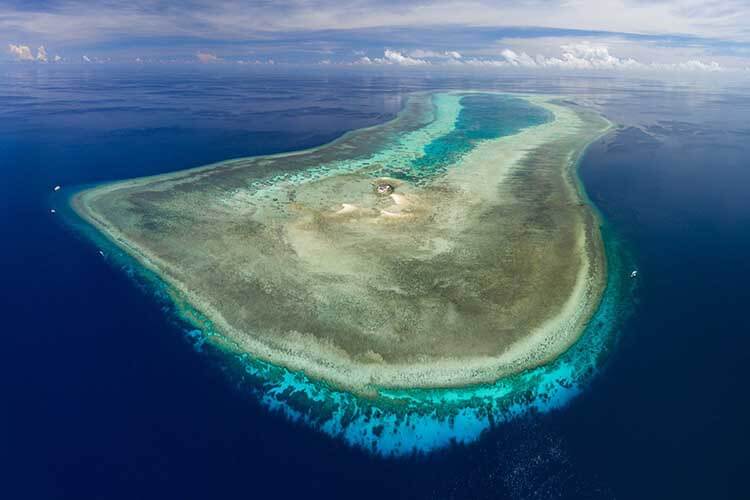
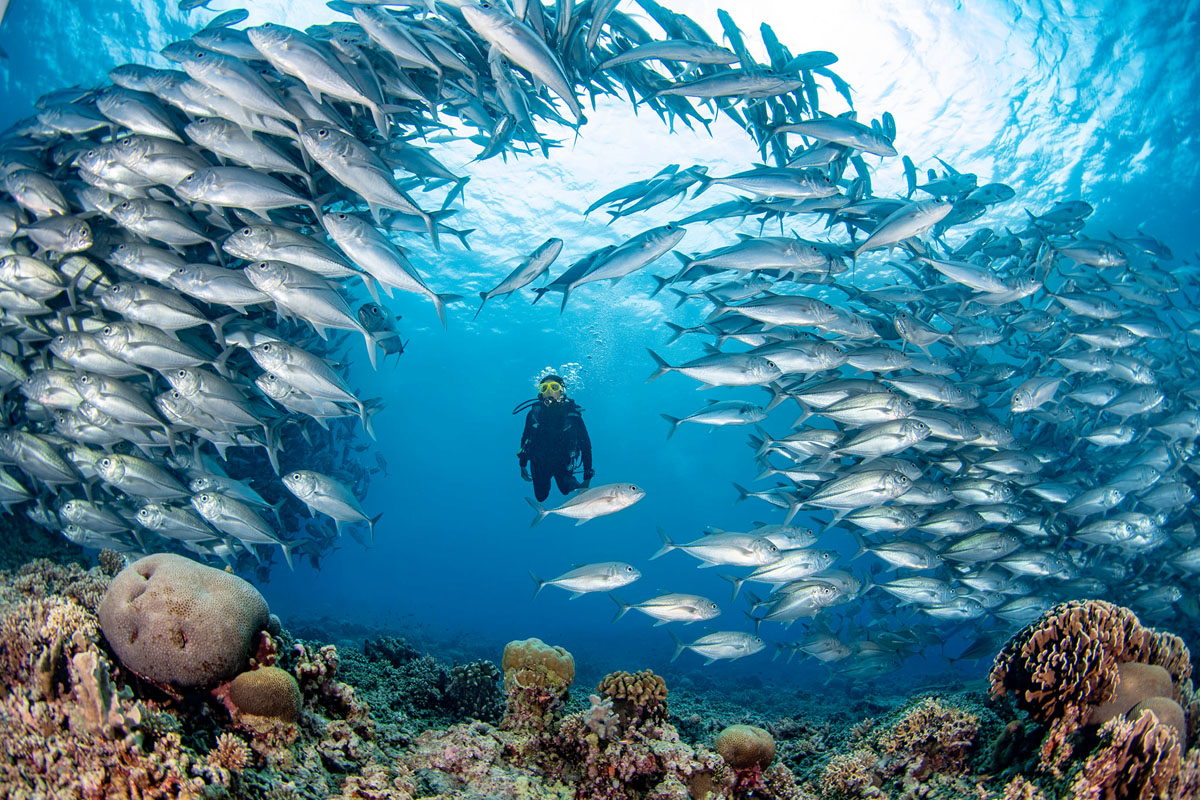
The Tubbataha Reefs Natural Park, a beautiful diving location with an abundance of marine life, is situated in the Sulu Sea. Divers may witness a variety of marine life, from massive pelagic species like sharks and manta rays to tiny pygmy seahorses, thanks to the park’s two sizable atolls and smaller reefs. Because of the park’s isolation, the reefs are comparatively undisturbed and abundant in life.
5. The Yemeni archipelago of Socotra
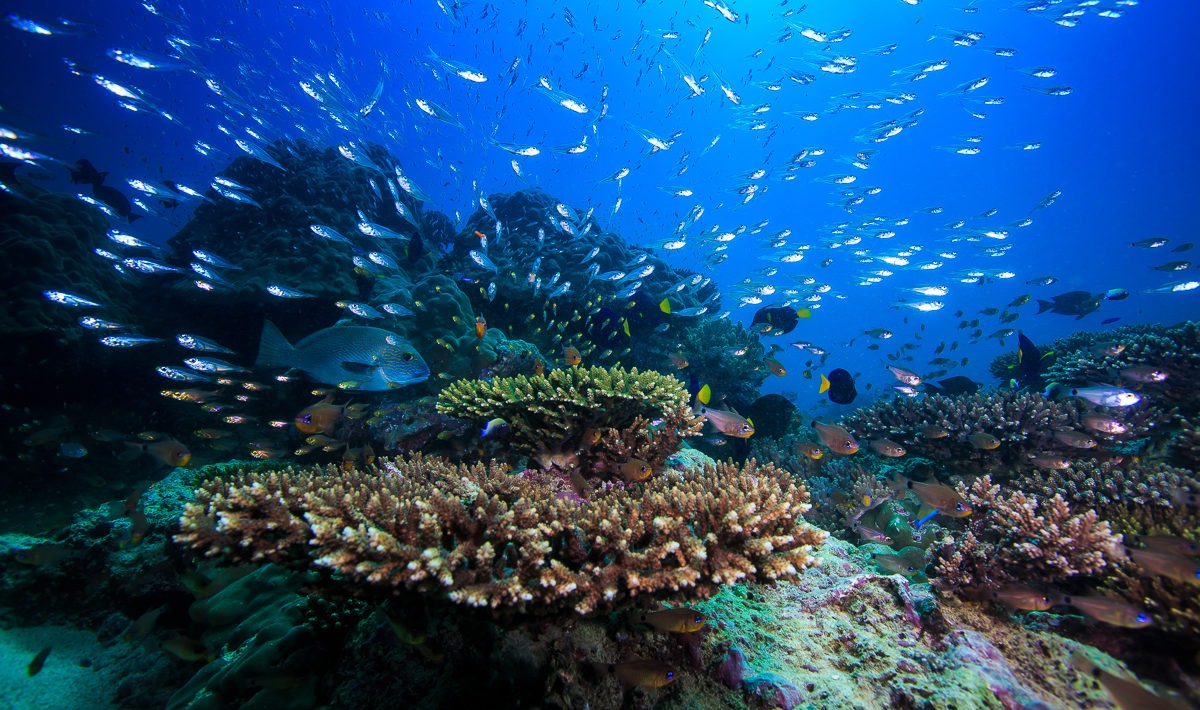
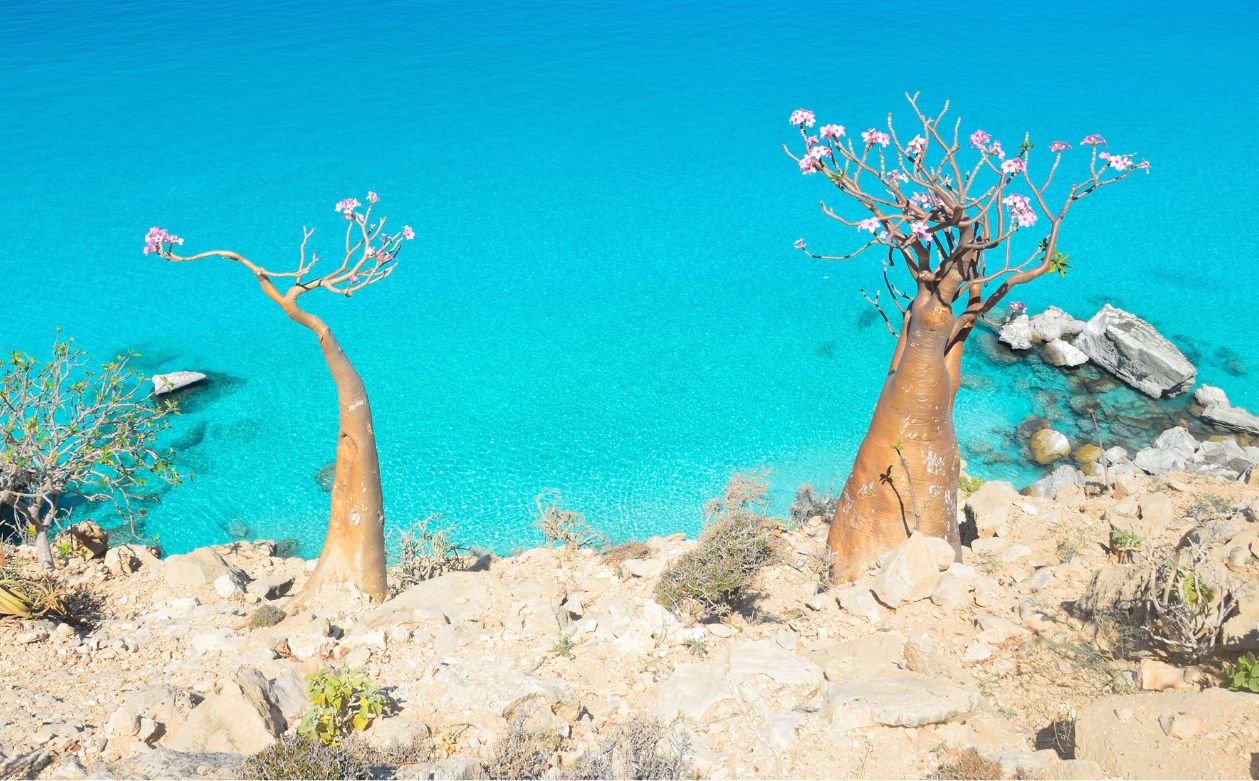
The Socotra Archipelago, sometimes called the “Galápagos of the Indian Ocean,” is highly endemismetic both below and above ground. Distinctive fish, coral, and other marine creature species may be found living in its coral reefs. Discovering the unique biodiversity that makes this archipelago a realm Heritage site by diving here is an excursion into an underwater realm that few have visited.
Preservation and Conscientious Diving
Protecting and preserving these delicate ecosystems is a responsibility while diving into UNESCO World Heritage sites. The following advice can help you dive responsibly:
- Respect Local Regulations: Consistently abide by the policies and directives issued by the management of the marine park and the local government.
- Maintain Good Buoyancy: Steer clear of harming or upsetting coral reefs and aquatic life. These delicate habitats are shielded from unintentional harm by effective buoyancy control.
- Use Eco-Friendly Sunscreen: Steer clear of sunscreens that include chemicals that destroy coral reefs, such as oxybenzone and octinoxate.
- Take Part in Conservation Efforts: To help preserve these locations, take part in neighborhood conservation initiatives like beach clean-ups or citizen science initiatives.
There is no better way to see some of the most amazing underwater habitats on the globe than by going scuba diving at UNESCO World Heritage sites. In addition to being stunning and varied, these locations are vital for scientific study and conservation. Divers who come to these sites may enjoy the beauty of the ocean while helping to maintain and safeguard these priceless ecosystems. We can guarantee the preservation of these natural riches for the enjoyment of future generations by encouraging sustainable diving techniques and providing support to conservation activities. Happy and safe diving!