How to Manage Entrapment Scenarios Underwater
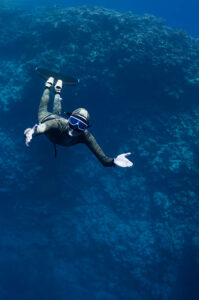
Entrapment underwater is a situation that may arise in scuba diving, cave diving, or just about any other form of underwater exploration. Its actual causes may be environmental problems, equipment failure, or simple human mistakes; understanding how to handle these situations is what will help you survive them. This article outlines steps that divers should take to manage and survive entrapment underwater.
1. Stay Calm
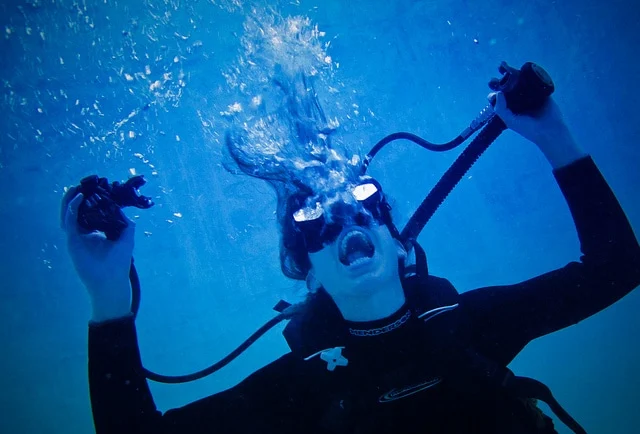
The worst enemy underwater is certainly panic. The first thing and the most critical step to any crisis or emergency, including entrapment, is not panicking. At an increased rate of breathing and uncontrolled movement, oxygen is used up more quickly and may dramatically deteriorate the situation. Take a second to breathe slowly and deeply, clear your mind, and assess your surroundings.
2. Assess the Situation
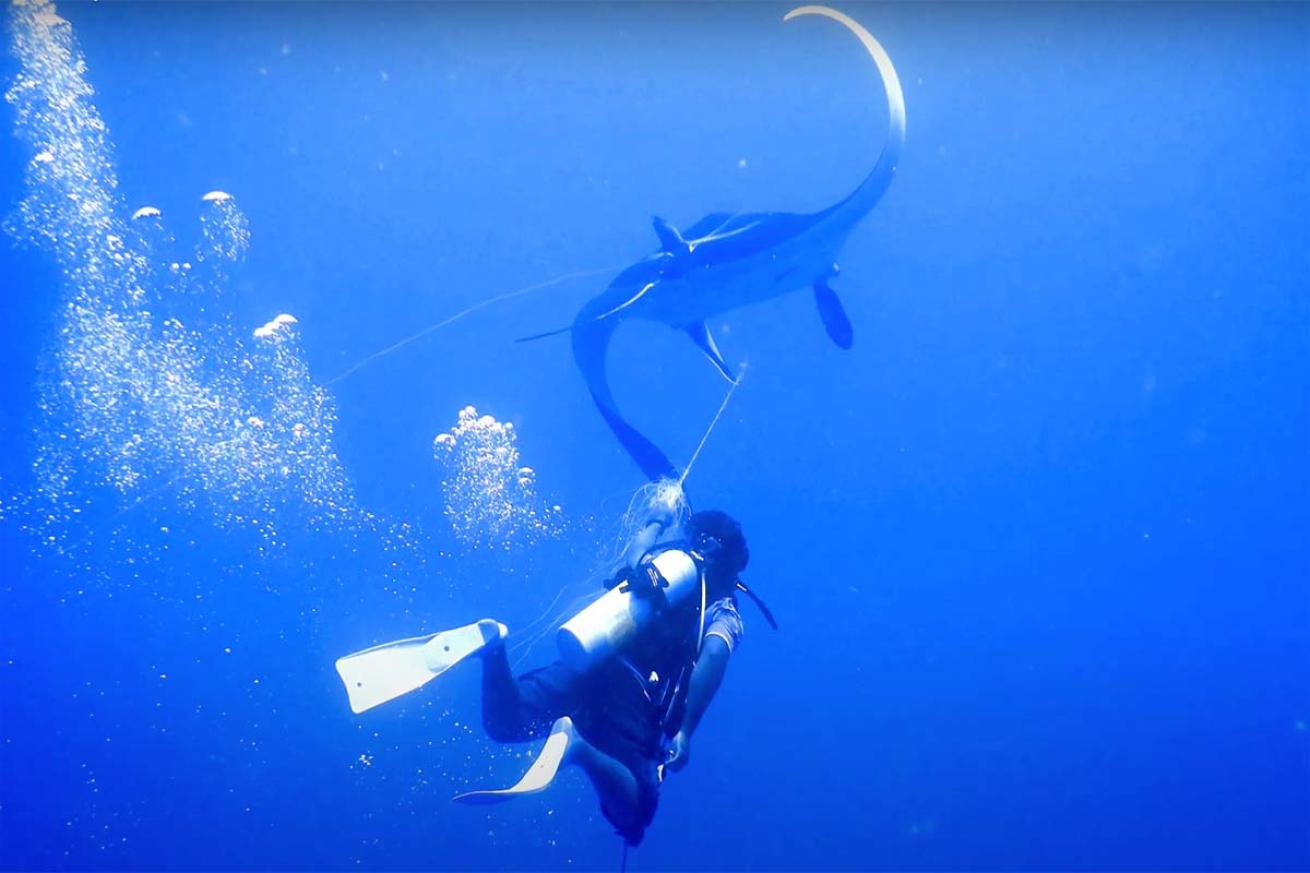
First, assess the cause and nature of the entrapment. Are you caught in a fishing line, wedged between rocks, or entangled in vegetation? Understand specifically what’s got you, and then decide on your course of action. Examine your equipment for any problems that may have developed during the dive, such as a low air supply or damaged gear.
3. Signal for Help
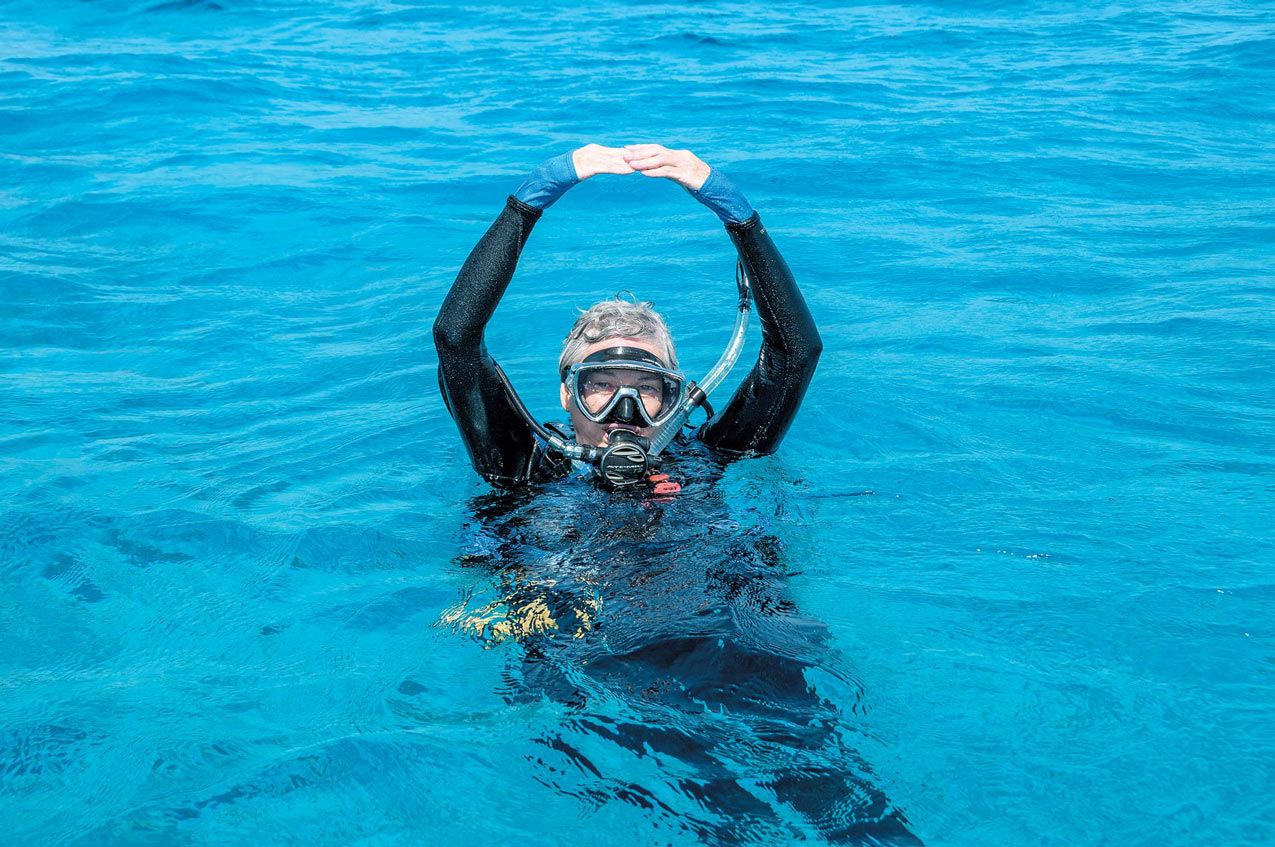
If you dive with a buddy or in a group, use hand signals or noise-making devices such as a tank banger or underwater horn to alert others about your predicament. Effective communication may save lives. If you are completely alone, consider deploying an SMB in open water to signal for assistance.
4. Attempt Self-Rescue
Depending on the nature of entrapment, you may be in a position to extricate yourself:
- Fishing Line or Netting: Cut it with a cutting tool such as a dive knife or shears. Always have these tools with you in accessible places.
- Rocks or Crevices: Slowly move your body to extricate yourself. Do not make jerky movements that may bring about an injury or entrapment.
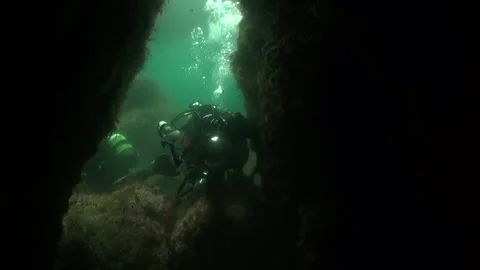
- Vegetation: Back out the way you came, moving gently to avoid further entanglement.
5. Monitor Air Supply
Keep checking on your air supply while you are working to free yourself. By knowing how much air you have remaining, you will be able to estimate how much time you may have left to correct the situation. If you are extremely low on air, all other concerns are put aside except getting free and making an ascent to the surface in a safe manner.
6. Use Emergency Equipment
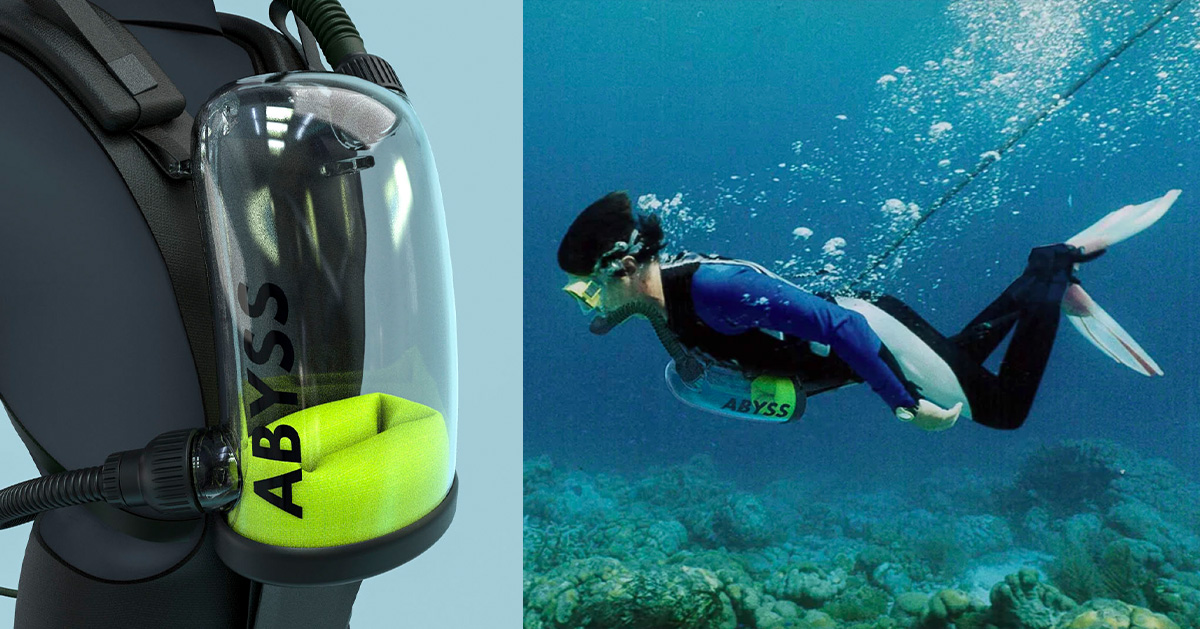
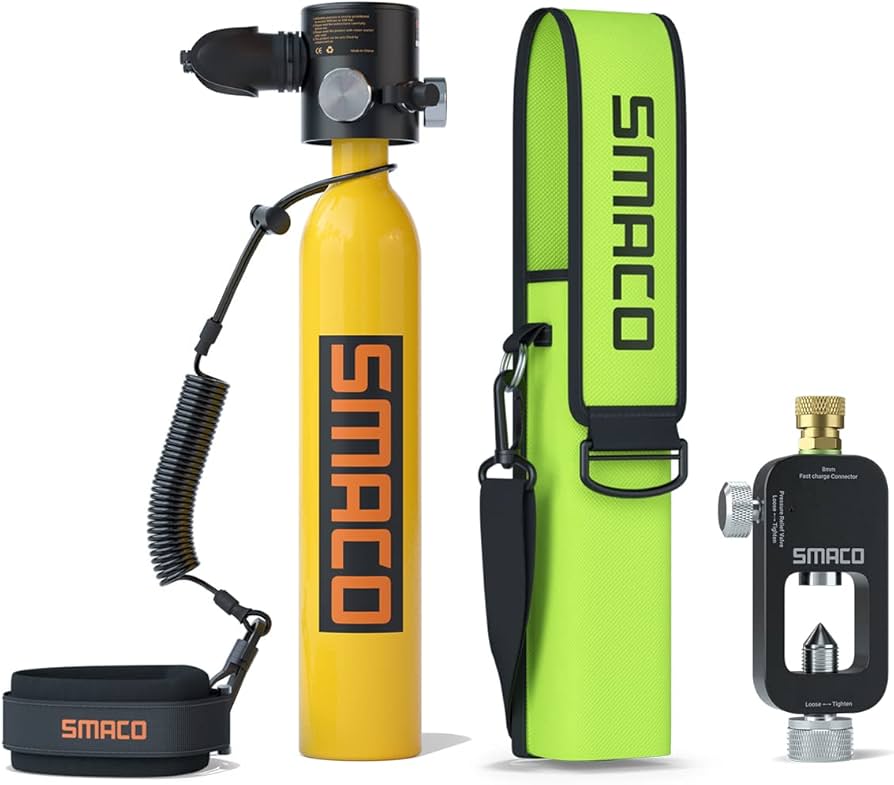
If you cannot free yourself, use any emergency equipment available. A redundant air supply, such as a pony bottle, will provide more breaths. In cave or technical dives, a reel and line will help retrace a path to safety.
7. Plan and Practice
Prevention is always better than cure. Before any dive, plan thoroughly and consider the risk assessment. Make sure to have enough experience in training for the type of diving involved, be it open water, cave, or wreck diving. Always practice scenarios of entrapment when training to build muscle memory and confidence.
8. Stay with Your Buddy
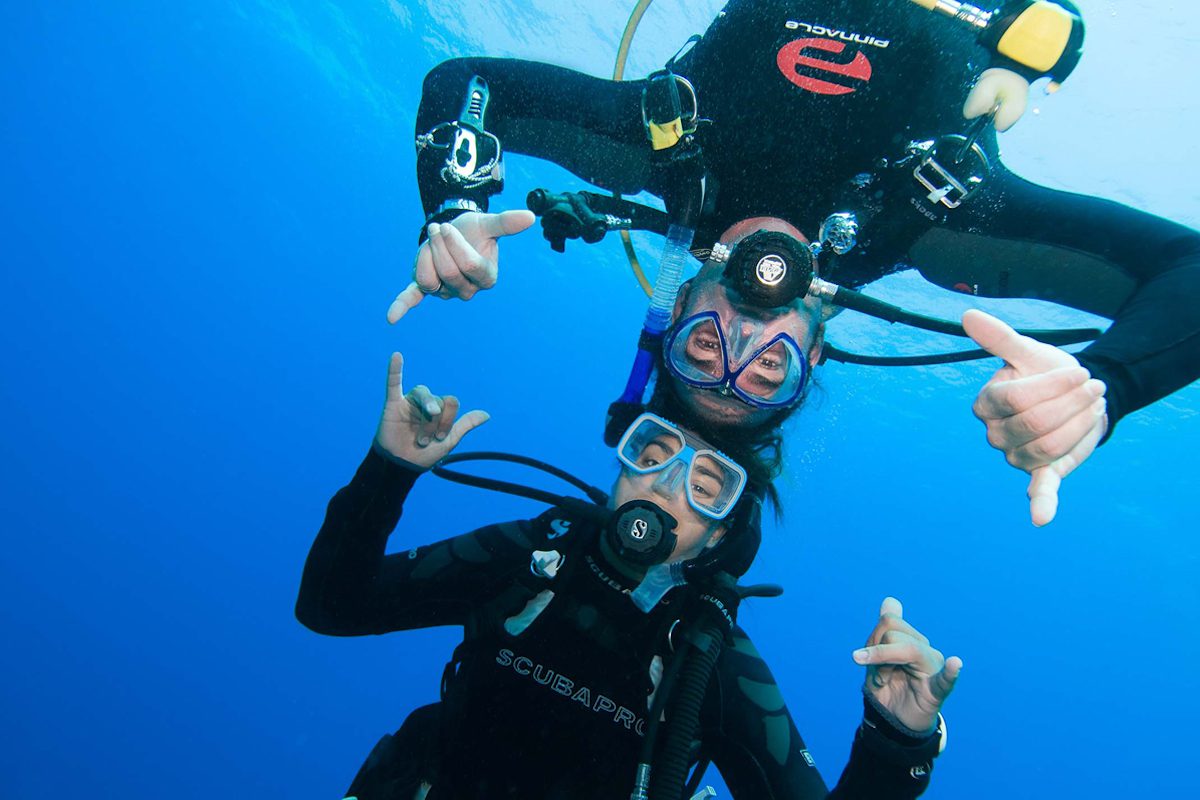
In any situation of diving, having your buddy near you increases the possibility of resolution in case you get entrapped. Your buddy can assist in freeing you, share air if necessary, and provide reassurance.
9. Ascend Safely
Once free, do a safe ascent to the surface. Use proper ascend procedures to avoid decompression sickness. Apply a controlled ascent rate and perform safety stops as necessary.
10. Report and Reflect
In the event of an incident, report it to the relevant authorities or dive organization. Reflect on what happened, how it could have gone differently, and how it can be avoided in the future. Your experience, when shared, can also enable others to learn from you and to be better prepared against entrapment scenarios.
Being entrapped underwater requires a mix of calmness, preparation, and effective use of tools and techniques. To make this more survivable and return to the surface safely, a diver should remain calm, analyze the situation, signal for help, and use self-rescue methods. Proper training, planning, and practice help reduce the associated risks of underwater entrapment. Keep in mind that the key to any underwater emergency management is remaining calm and thinking clearly. Happy and safe diving!