Scuba diving is synonymous with tropical waters, coral reefs, and sunny warmth, but for more adventurous divers who seek to do something almost surreal, the icy clutches of the Arctic and Antarctic hold in store an experience that is singular. Diving in these regions allows the opportunity to experience unblemished wilderness, seldom-seen wildlife, and underwater landscapes seen by few individuals. While cold-water diving presents a challenge, the rewards are well worth it for those prepared for the adventure.
Here’s everything you need to know about scuba diving in the Arctic and Antarctica, from what you’ll encounter to how to prepare for these extreme environments.
Why Dive in the Arctic and Antarctic?
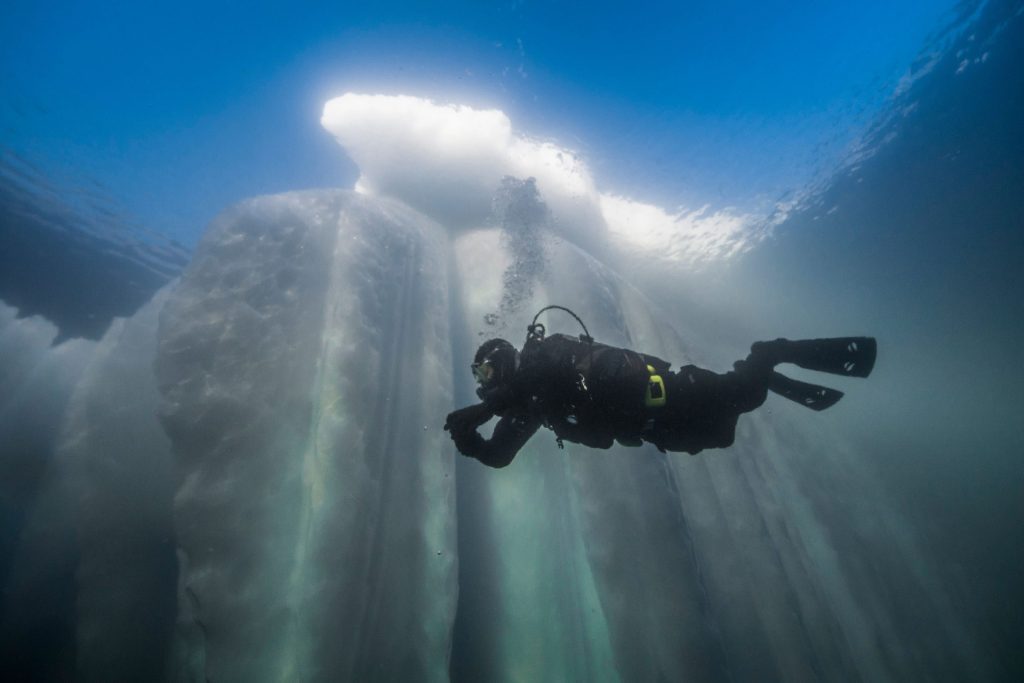
Polar diving is not only a matter of cold; it’s a plunge into some of the most pristine ecosystems on the planet. Life teems in these waters, from the majesty of marine mammals like seals and whales, playful penguins, to unique features of ice. The underwater landscapes are otherworldly, with icebergs, glaciers, and deep drop-offs. These areas offer fantastic visibility and opportunities to observe unique marine behaviors and environments that you will not see anywhere else.
Arctic vs. Antarctic: Which is Different?
Both the Arctic and Antarctic offer cold-water diving, but environments, wildlife, and conditions differ greatly:
Arctic Diving: The Arctic is an ocean surrounded by land, with countries such as Canada, Greenland, Norway, and Russia bordering its icy waters. Here, divers can dive under huge ice floes, dive into fjords, and spot marine life such as beluga whales, walruses, and polar bears-though you will most likely see them from the surface rather than underwater! The Arctic offers other ice diving experiences with its pack ice floating and with the possibility to see different cold-water fish and anemones.
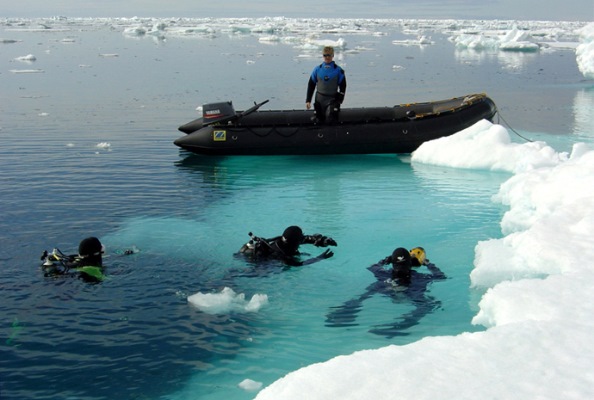
Antarctica Diving: Antarctica is a cold continent surrounded by ocean, a home for penguins, icebergs, and virgin waters. In this destination, divers can swim along with Weddell seals, see the humpback whales passing around, and dive underneath giant icebergs. Since the Antarctic is highly isolated, few people visit the site, and the number of marine life is abundant and friendly. Most divers have seen the leopard seals and gentoo penguins.
When to Go
Arctic Diving Season: The diving season in the Arctic is from June to September every year. This will involve breaking up sea ice to give access to the best dive sites and more accessible ways into the water. The warmer months also make the wildlife active, like migrating whales and breeding seabirds.
Antarctic Diving Season: Antarctica’s dive season is usually from November through to March during the Southern Hemisphere summer. This is because the ice breaks up, at least to some extent, providing access to the water to some degree. Summer in Antarctica means 24-hour daylight, which gives a very different atmosphere when diving and enjoying wildlife.
Top Dive Destinations
Arctic Dive Spots
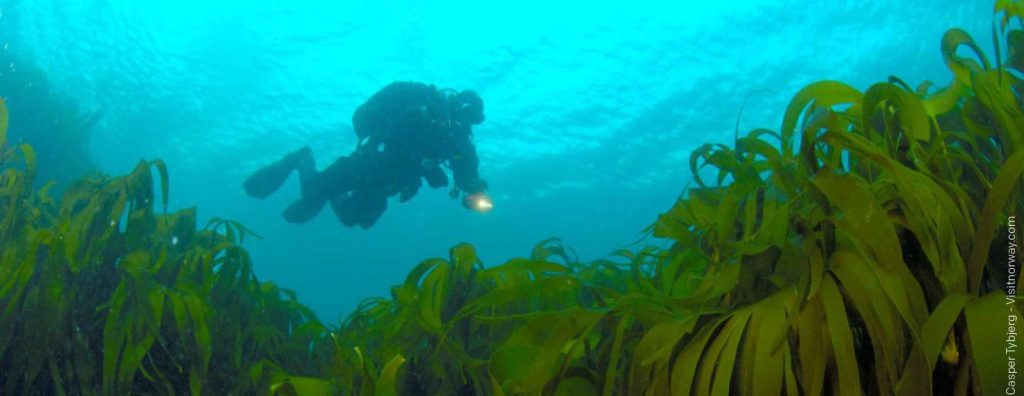
1. Norwegian Fjords, Norway: A standout among the most beautiful, Norwegian fjords offer unique diving opportunities through underwater cliffs, kelp forests, and ice formations. Arctic marine life, including orcas and humpback whales, is not an uncommon sight, while in the crystal-clear waters of the fjords, dives are really spectacular.
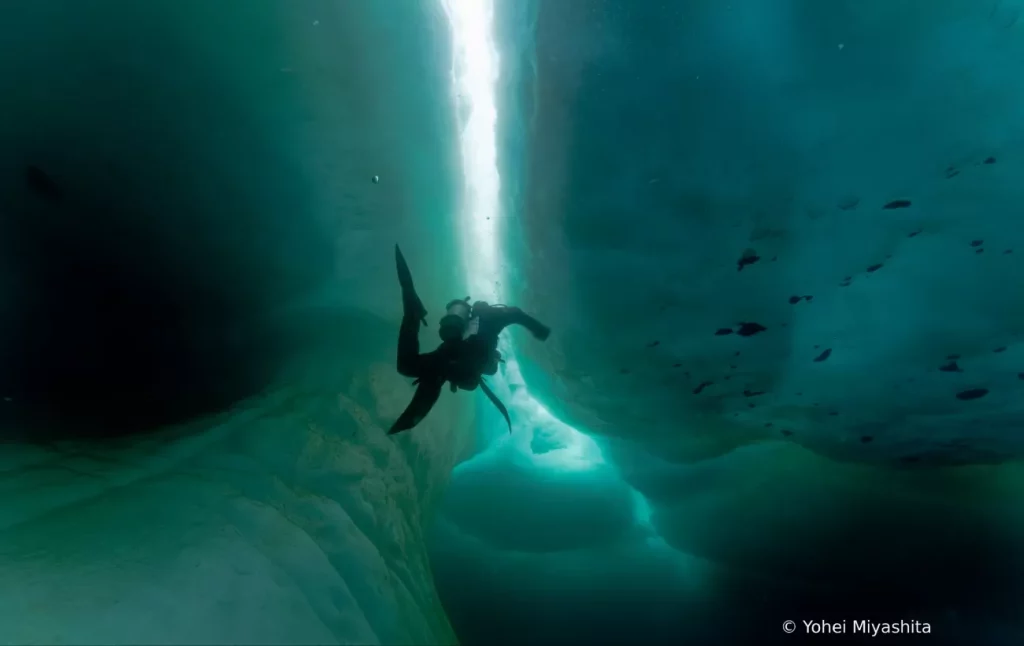
2. Greenland: Dive in Greenland offers amazing landscapes of icebergs and the possibility to explore beneath enormous walls of ice. East Greenland fjords are the most popular: steep walls go deep, huge marine life, and it’s an incredible feeling diving under sea ice.
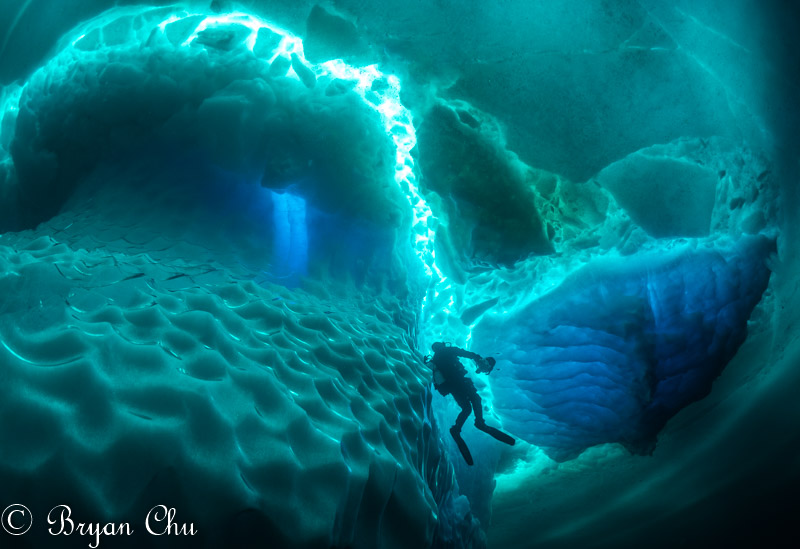
3. Baffin Island, Canada: More for extreme Arctic diving, it is famous for ice diving under pack ice. Divers may come across animals like beluga whales, narwhals, and invertebrates of different kinds in the cold water.
Antarctic Dive Spots
1. Lemaire Channel: Often referred to as the “Kodak Gap”, the small passage is between walls of cliffs on both sides, breathtakingly spectacular. There is diving here and crossing the ice fields for leopard seals, penguins, and other Antarctic wildlife.
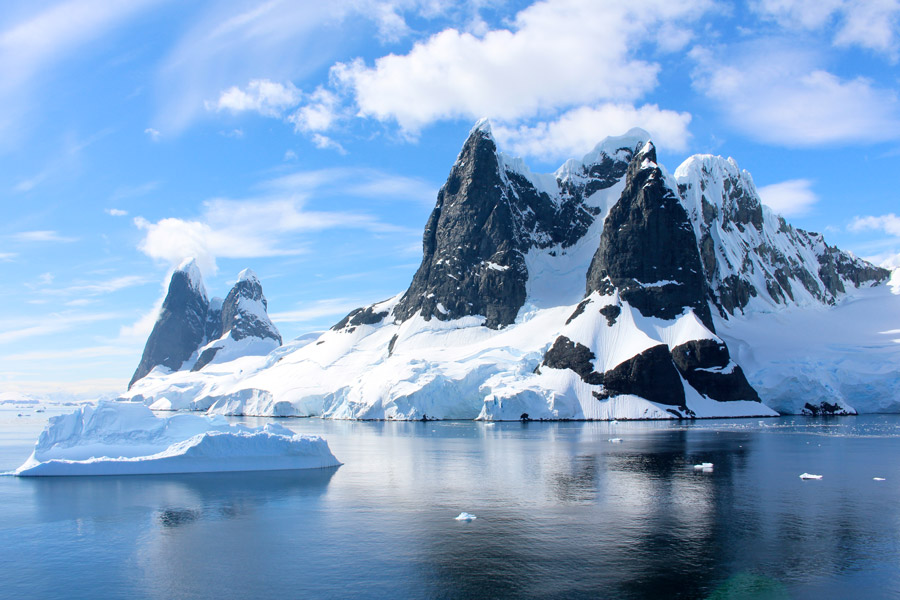
2. Deception Island: This dive between icy water and geothermal warmth is not replicated anywhere else in the world. You’ll dive into an underwater volcano, where the temperature of the water might vary sometimes and where marine life prospers in conditions less than ideal. Penguins, seals, and some invertebrates that will blow your head populate the waters.
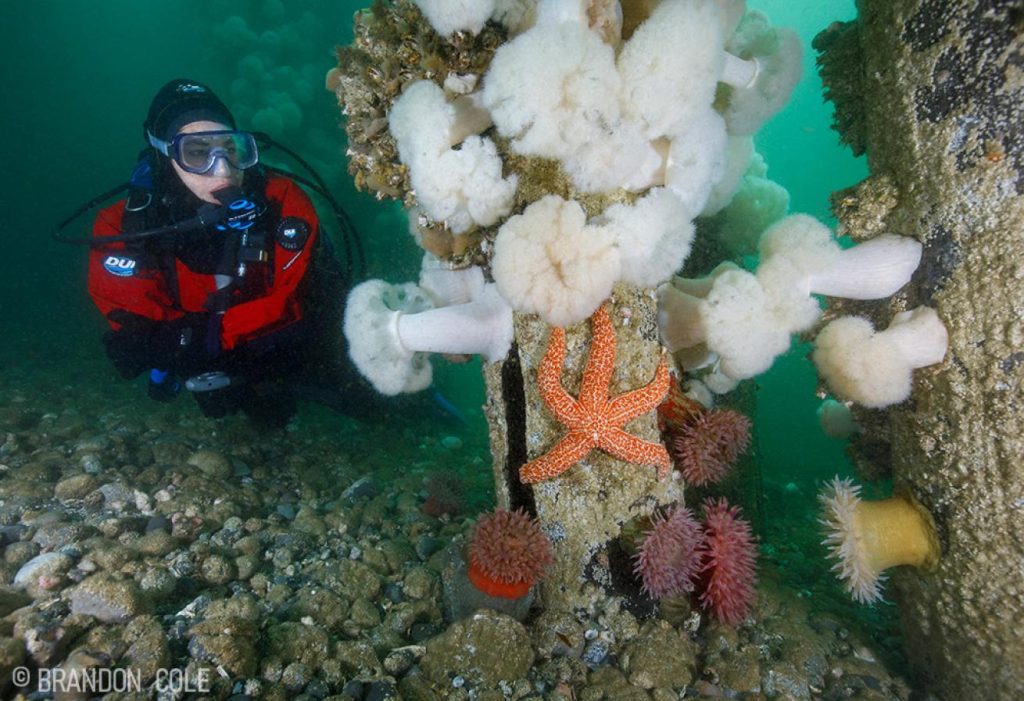
3. The Weddell Sea: Besides being known for thick pack ice and huge icebergs, the Weddell Sea offers a chance for intrepid divers to dive beneath its frozen surfaces and explore the rich marine life, from Weddell seals down to starfish and krill. It is one of the most remote and untouched places on Earth.
What to Expect Underwater
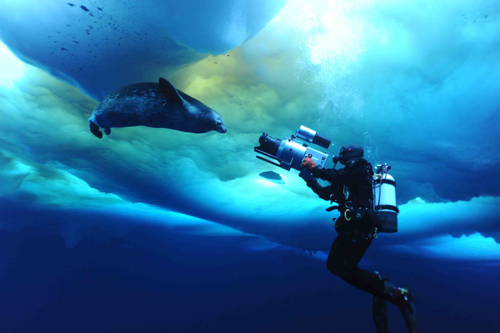
Polar diving guarantees entrance to an underwater world of fantastic dreamlike ice formations. In Arctic conditions, it is almost a norm to find great fields of ice, steep or towering icebergs, and intricate frozen formations, while the Antarctic has periodic astounding encounters with enormous icebergs and glacial walls.
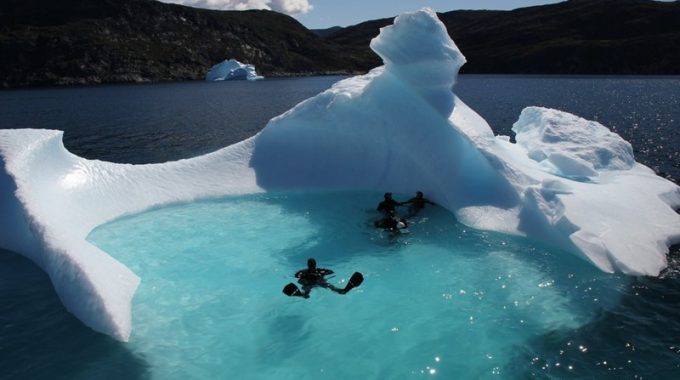
Wildlife is aplenty in both regions: one could be swimming with playful seals, shoals of fish, or inquisitive penguins. In the Arctic, diving under sea ice offers a surreal experience of what happens above in a frozen world, while humpback whales and orcas, in large numbers, are not an uncommon sight gliding effortlessly through deep waters in the Antarctic.
Special Equipment for Polar Diving
Cold water diving demands special equipment to keep one warm and safe:
This is the most important gear in keeping your body dry and insulated from the freezing water. It would also require undergarments, of course, for added warmth.
Gloves and Hood: It wouldn’t take that long before the cold water will numb both your hands and face. Thick, dry gloves and a hood will protect your extremities from the cold.

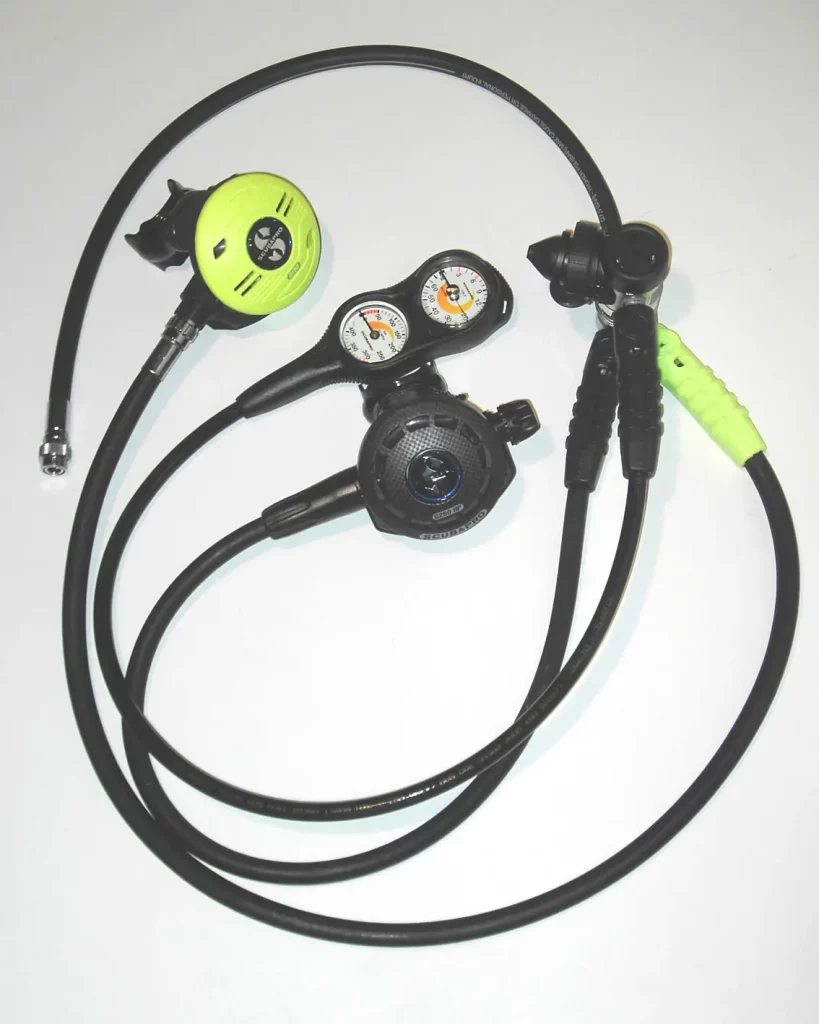
Regulator: Utilize a cold-water diving regulator that does not freeze up easily and allows for sufficient airflow. The majority of polar divers use environmentally sealed regulators.
Weighting: Drysuits and thick undergarments require more weight than typical warm-water dives. Make sure your weight system is properly calibrated.

Training and Preparation
Polar diving isn’t recommended for beginners. For a diver to plunge into these extreme conditions, the diver has to acquire a bit of experience both in cold-water and dry-suit diving. Advanced certifications such as Ice Diving or Dry Suit Specialty are advisable. Before joining any polar diving tour, you have to get used to practicing your skills in cold-water environments that have control.
Cold: The freezing temperatures may be a bit overwhelming for your body. If you are not properly prepared for the temperature or stay in the water for a longer period, hypothermia is a close friend.
Limited Dive Time: This is partly due to the cold dive times are a little shorter compared to tropical diving. Most dives will last about 30 minutes depending on how well your body handles this.
Remote Locations: Polar regions are isolated and far away from the reach of civilization; therefore, dives must be made with a well-qualified operator, and one has to be prepared for any type of emergency.
Conservation and Sustainability
The Arctic and Antarctica are sensitive ecosystems that are feeling the impact of climate change. When diving in these regions, make sure to take care of responsible tourism: not disturbing the wildlife, taking care of your waste, and supporting every conservation effort that protects this pristine environment.
Scuba diving in the Arctic and Antarctica offers an unparalleled experience: swimming side by side with whales and seals, under shimmering icebergs, offering a look into some of the planet’s most mysterious and remote ecosystems. With the right preparation and an accompanying sense of adventure, these cold-water diving destinations can be the ultimate venture for any scuba diver looking for something totally unique. Happy and safe diving!