Less common, perhaps, compared with other forms of diving, this art does have its own set of problems and requires special training for safe and enjoyable diving. This form of diving involves those bodies of water that are at least 300 meters (1,000 feet) above sea level, such as high-altitude lakes or reservoirs. Because of these elevation differences in atmospheric pressure, divers must make some very critical adjustments to their techniques and dive planning. Here is an overview of what altitude diving training covers and the key adjustments one will find necessary for safe diving at high altitudes.
Understanding Pressure Differences at High Altitudes
Atmospheric pressure is about 1 atmosphere at sea level, and it gets progressively less as you go higher. This makes a big difference to diving because the lesser pressure changes how much nitrogen your body absorbs, and how dive tables or computers work out safe dive profiles in advance.
At altitude, above:
- The surrounding air pressure is lower, so the relative pressure change when you go down underwater is much more dramatic than at sea level.
- As a result, the rate of nitrogen absorption and the rate of off-gassing differ from sea-level rates and may pose an increased risk for DCS if it is not taken into account.
Main Adjustments for Altitude Diving
1. Revised Dive Tables and Computer Settings
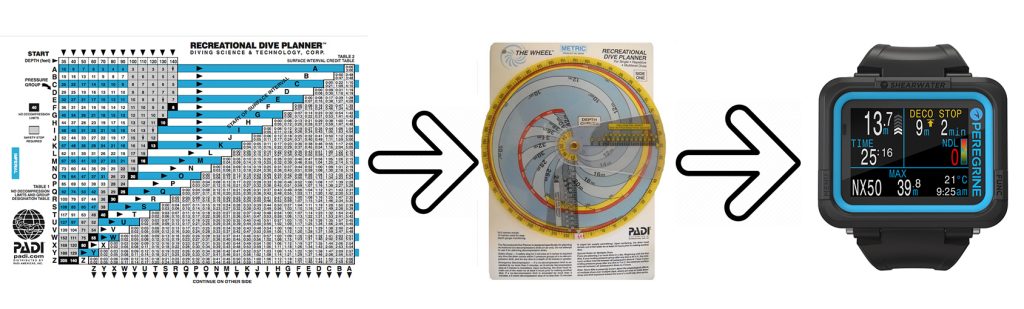
Standard dive tables and computers are calibrated only for sea-level dives, and because of the reduced atmospheric pressure, divers must use special altitude-adjusted dive tables or recalibrate their dive computers for diving at high altitudes. Most modern dive computers feature an altitude setting that is programmed in and automatically adjusts according to elevation. If this setting is overlooked, dangerously inaccurate calculations of nitrogen absorption and the resulting decompression limits can occur.
2. Shorter Dive Times and Shallower Depths
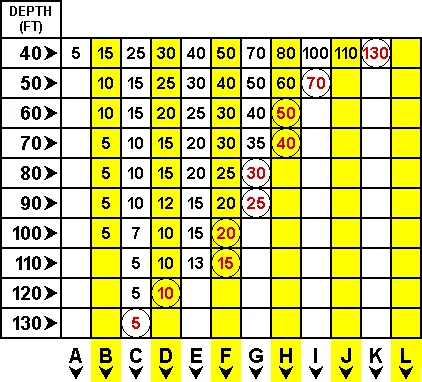
Because of the lesser pressure at high altitude, for any given depth in an altitude lake or reservoir the absolute pressure difference is greater than at sea level. This is important because a given degree of nitrogen absorption occurs more rapidly in high-altitude diving. In compensation, special altitude-diving training emphasizes shorter allowable times and/or shallower maximum depth to minimize DCS risk.
3. Longer Surface Intervals
Surface intervals, which are the time spent on the surface between dives, tend to be longer in altitude diving due to the changes in nitrogen absorption. Nitrogen takes longer to leave the body because of the lower atmospheric pressure at the surface, so divers need to plan for extended surface intervals to allow for safe off-gassing between dives.
4. Altitude Acclimatization
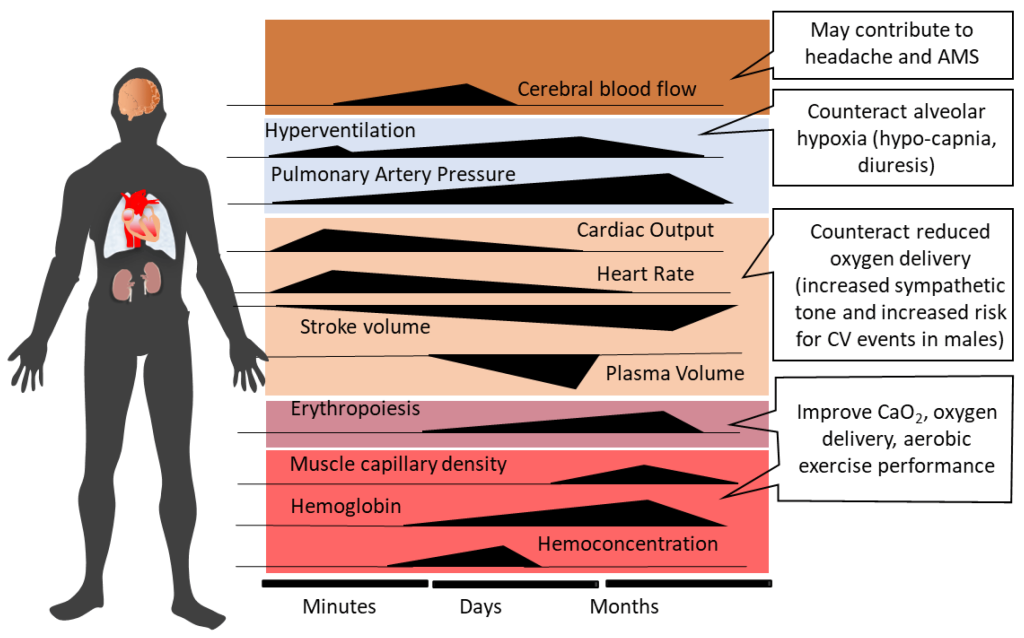
Altitude diving, even with decreased atmospheric pressure, requires a time allowance for acclimatization of your body before diving. This is most important if you have ascended from sea level to a high-altitude destination rapidly. Training for altitude diving strongly enforces that the divers should not make any dives until they have been at the altitude for at least 6 to 12 hours for the body to get accustomed to this new environment.
5. Post-Dive Precautions
Altitude dive aftermath, a diver needs to take precautions in order to minimize the chances of DCS after being in the water. One major post-dive precaution taken by divers at altitude after dives is avoiding going through changes in altitude. Atmospheric pressure at altitude is usually low and thus will enhance the possibility of bubbles forming in the flow of blood, thereby giving rise to the occurrence of DCS.
Specialized Altitude Diving Training Skills
High-altitude diving demands some specialized training, including how to do the following:
– Recalculate Dive Profiles: The course teaches the recalculation of dive plans by using altitude-corrected dive tables or by recalibrating dive computers for a precise dive profile.
– Emergency Procedures: The altitude specifics of how emergency ascents and decompression stops will be affected are taught, along with safe emergency procedures special to altitude diving.
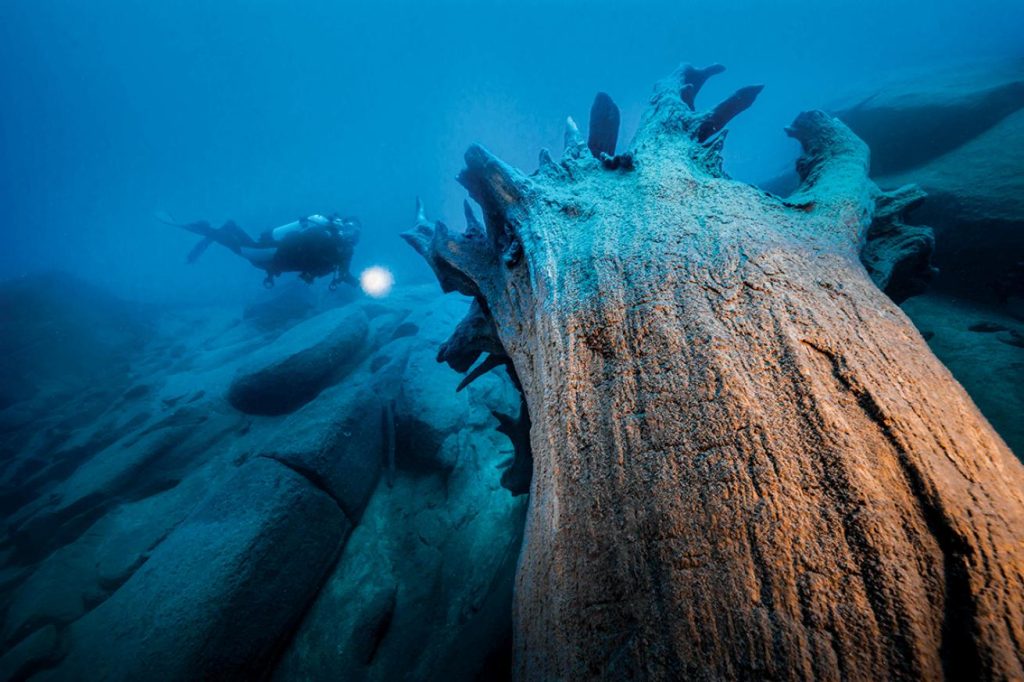
– Environmental Awareness: High-altitude lakes and reservoirs have colder water temperatures and often reduced visibility combined with unique underwater topography. Training allows divers to become more aware of these conditions and any special techniques used during the dive.
Altitude Diving Equipment Considerations

Many of the equipment used in altitude diving is the same as that used in sea level diving. However, there are several important considerations:
Wetsuits or Drysuits: Because most high-altitude lakes have cold temperatures, divers typically wear a thicker wetsuit or dry suit when diving to help retain body heat.
Dive Computers: The majority of modern dive computers feature an altitude setting; divers should first ensure they are using a computer capable of making the altitude adjustment they will be diving. Some older or simple models cannot.
Surface Buoys and Markers: Since many high-altitude dive sites are very remote, surface support could be restricted. A popular application of divers is the deployment of surface marker buoys or flags to indicate their position, signifying eventual safety underwater.
Popular Altitude Diving Destinations
They represent a unique way in which one can explore some of the most fantastic landscapes around the globe. Some of the popular high-altitude dive spots include:
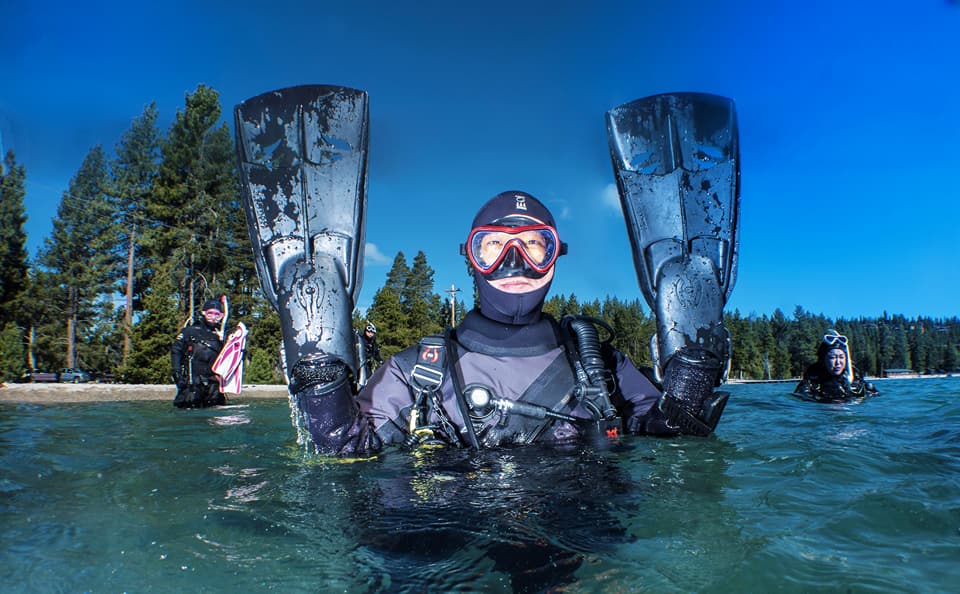
- Lake Tahoe (USA): Situated in the Sierra Nevada mountains at an altitude of over 6,200 feet above sea level, Lake Tahoe presents crystal-clear waters and interesting underwater topography.
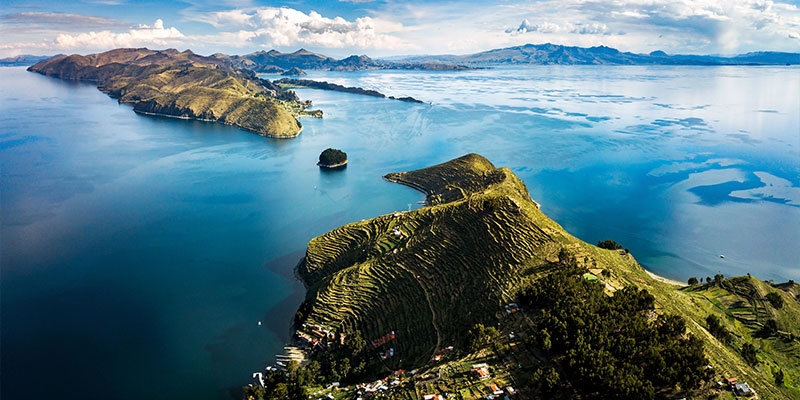
- Lake Titicaca (Peru/Bolivia): The world’s highest navigable lake, Lake Titicaca rests at an altitude of about 12,500 feet above sea level and offers a very different and demanding dive experience.
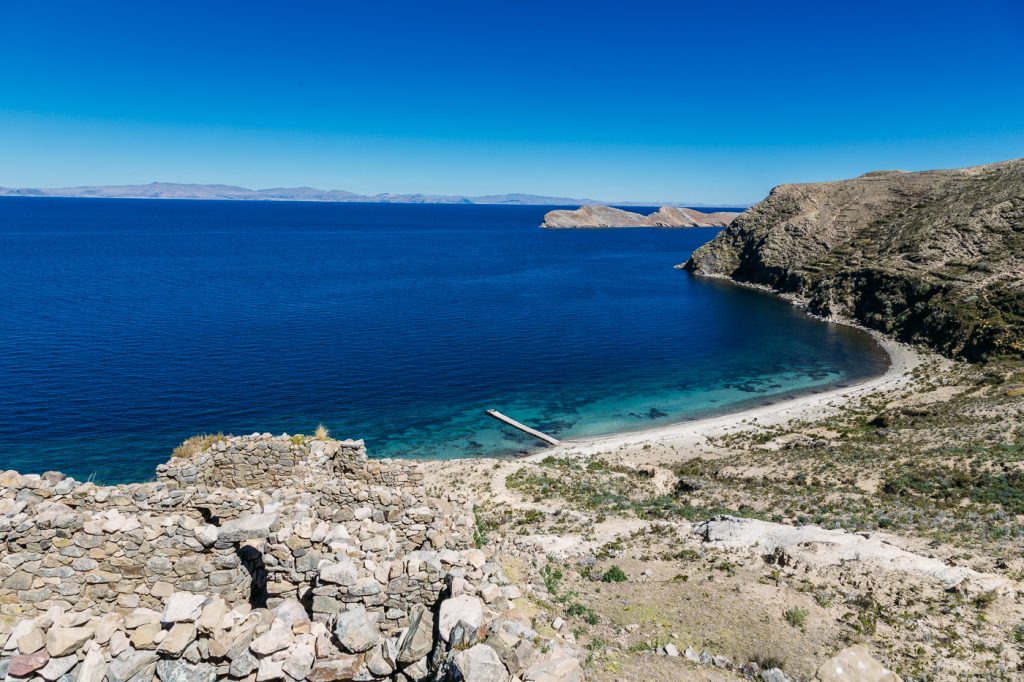
- Crater Lake is one altitude diving destination in the USA, located in Oregon at an elevation of 6,178 ft. (1,883 meters), presenting some of the clearest water in the world.
Altitude diving provides a different type of diving challenge for the advanced diver and allows one to dive in freshwater environments in high mountain locations. Because of these changes in atmospheric pressure and increased DCS risks, specialized altitude diving training is required. By making modifications in dive planning, recalibration of dive computers, and adherence to safety procedures, underwater vistas found at high-altitude dive sites can be safely enjoyed.
Altitude diving: Whether it’s exploring the depths of a mountain lake or a high-altitude reservoir, altitude diving opens up a whole new world for the adventurous scuba diver.