Feeling cold while scuba diving is considered one of the most common issues SCUBA divers face. Staying warm while diving not only makes your diving experience more comfortable, but it can also help you conserve air.
When your body is warm, it generates heat energy, on the other hand, when it is cold, it expends it. In the world of scuba diving, you need every bit of energy, so you need to ensure you are not wasting it! Check out the next tips from the DRAR Diving Center to stay warm on your dive.
5 Tips to Stay Warm on Your Dives
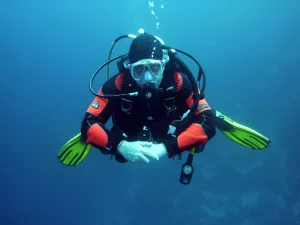
Here are 5 tips to be able to stay warm in your dives:
- Conserve heat before diving.
- Choose the right thickness for your wetsuit.
- Wear protective layers.
- Deeper isn’t always better.
- Take care of your scuba diving equipment.
Conserve Heat Before Diving
When being on your way to a chosen dive spot, it is important to protect your torso and limbs from the wind by covering them. As a result of gradually losing heat as you go deeper underwater, it will help if you start your dive with extra heat.
Choose the Right Thickness for Your Wetsuit
Every scuba diver is different, but there is a general rule of thumb to help you choose the perfect thickness you should use for the temperature of the water you are diving in. The gas bubbles that are in the material if the suit is your key to warmth.
These gas bubbles act as a very effective barrier between the heat of your body and cold water, so the thicker your wetsuit is, the warmer your body will be. Even in tropical waters, your body loses heat, so it is better to wear a 1mm or 3mm wetsuit if you feel a little cold on tropical dives.

Wear Protective Layers
If a full wetsuit still isn’t enough to stay warm on your dives, wearing a hood is a good option. Nearly about 40 percent of the heat of your body is lost through your head, and that’s the last place from which you want energy to be depleted.
Many scuba divers consider a hood, boots, and gloves as regular pieces of their SCUBA diving equipment for the extra seal to stay warm and keep water out. If you are one of the people who quickly get cold even in warm waters, there are many lightweight options for all these scuba accessories.
Deeper isn’t Always Better
As you go deeper, water becomes colder, that simple. In deeper depths, the air bubbles in your wetsuit are compressed, resulting in less insulation the further you go.
If it isn’t necessary to dive deep, stay within shallower depths in order to keep yourself well-insulated. There is still many things to see closer to the surface, while conserving your precious energy
Take Care of Your Scuba Diving Equipment
Both the condition and longevity of your wetsuit depends mainly on the degree you care for it. Saltwater and sun are considered the natural enemies of your wetsuit, so ensure rinsing your suit after each time you go diving, and never put it to dry in the direct sunlight.
It is better to hang your wetsuit in a place in which it will get plenty of airflow, away from excessive heat. It is a good idea to use a wetsuit conditioner every few scuba dives to retain the elasticity of the material for a longer period of time. Since your wetsuit can be a good investment, ensure to give it the proper care to get the most value.