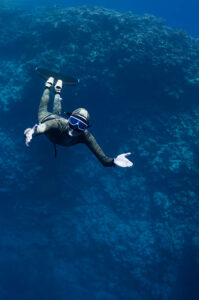
The underwater world is a breathtaking thing to descend into, but for divers, it’s not just a matter of dropping into the depths. Comfort, safety, and enjoyment necessitate a properly controlled descent. Without correct techniques, a diver has the risk of equalization issues, disorientation, or even injury. This article discusses a number of skills required for conducting a controlled descent and gives examples of how these can help avoid such problems.
The Importance of Controlled Descent
A hasty descent, or a descent without proper technique, may result in:
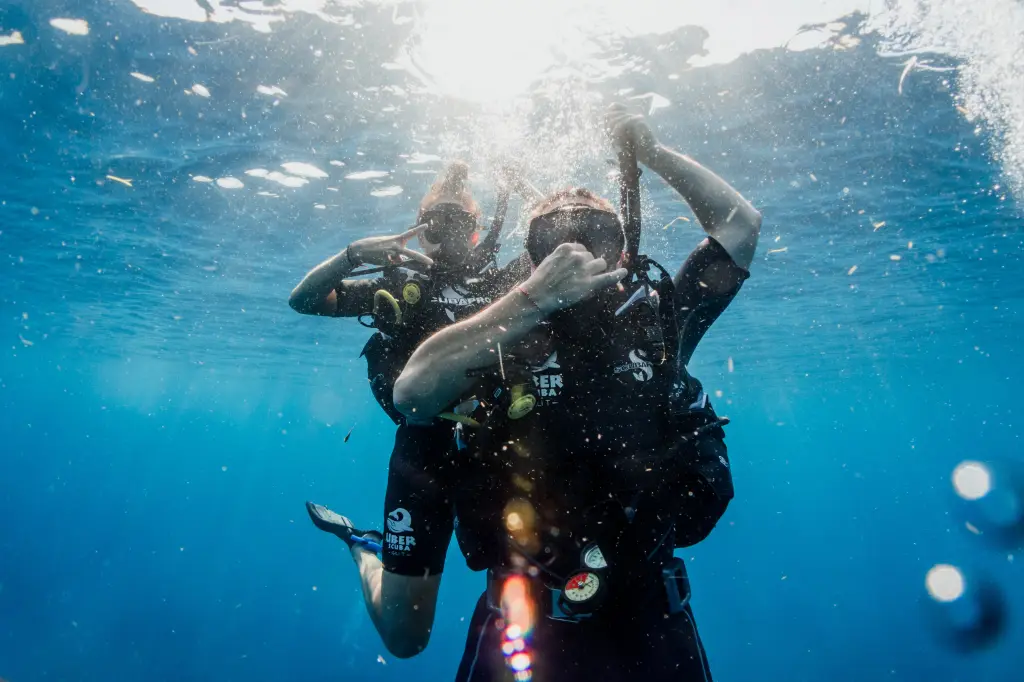
- Equalization Problems: Changes in pressure with depth will cause at least some pain/discomfort in your ears, sinuses, or mask if you do not properly equalize. Severe problems may result in barotrauma.
- Disorientation: The rapid or uncontrolled descents can cause disorientation or vertigo, particularly in low visibility or when reference points are not available to a diver, such as a reef wall or anchor line.
- Poor Buoyancy: Poor buoyancy will result in a fast or unplanned descent that could trigger anxiety or dangerous situation for the divers.
By learning to make a controlled descent you will avoid these problems and ensure your dive gets off to a smooth enjoyable start.
Key Skills: Controlled Descent
Here are some of the key skills you should learn in order to make a safe, smooth descent:
1. Pre-Dive Preparation
Controlled descents begin before you ever initiate your dive. Ensure that your equipment fits properly, especially your mask and fins, and that your BCD is in good working order. Make sure to check your air supply and brief your plan of the dive, including what depth you’ll reach and any landmarks on which you’re relying.
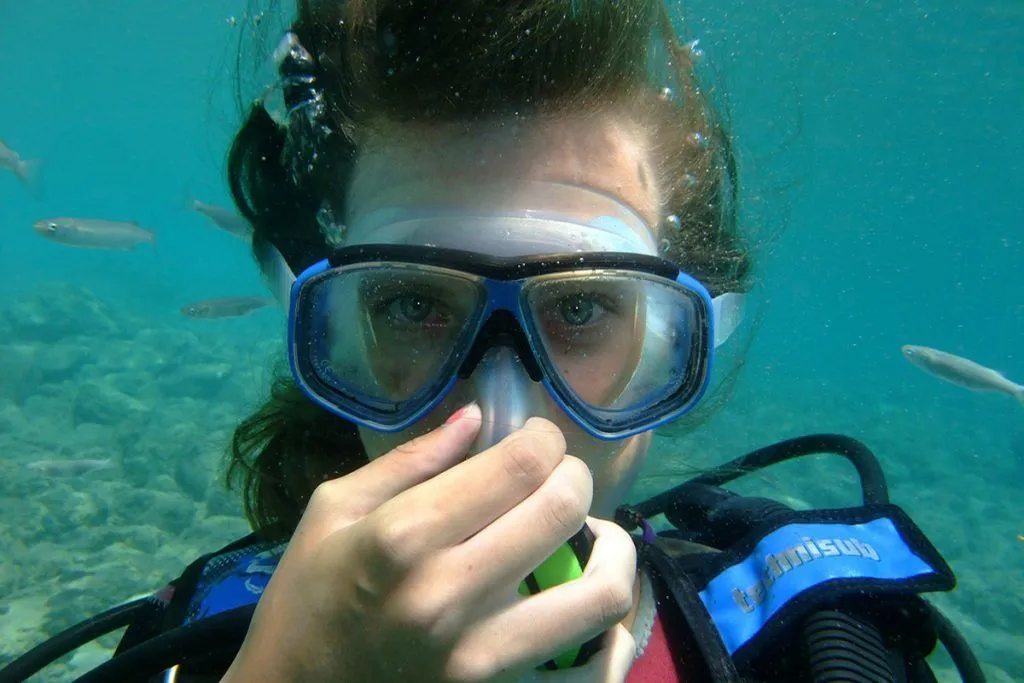
Pre-dive Equalization: Begin equalizing your ears gently prior to entering the water. This will prepare your Eustachian tubes for the pressure changes ahead of you.
Visualize the Descent: Go through mentally the steps of your descent before you actually start. Being able to visualize the process helps in keeping calm and aware of what to expect during each phase of the dive.
2. Controlled Buoyancy
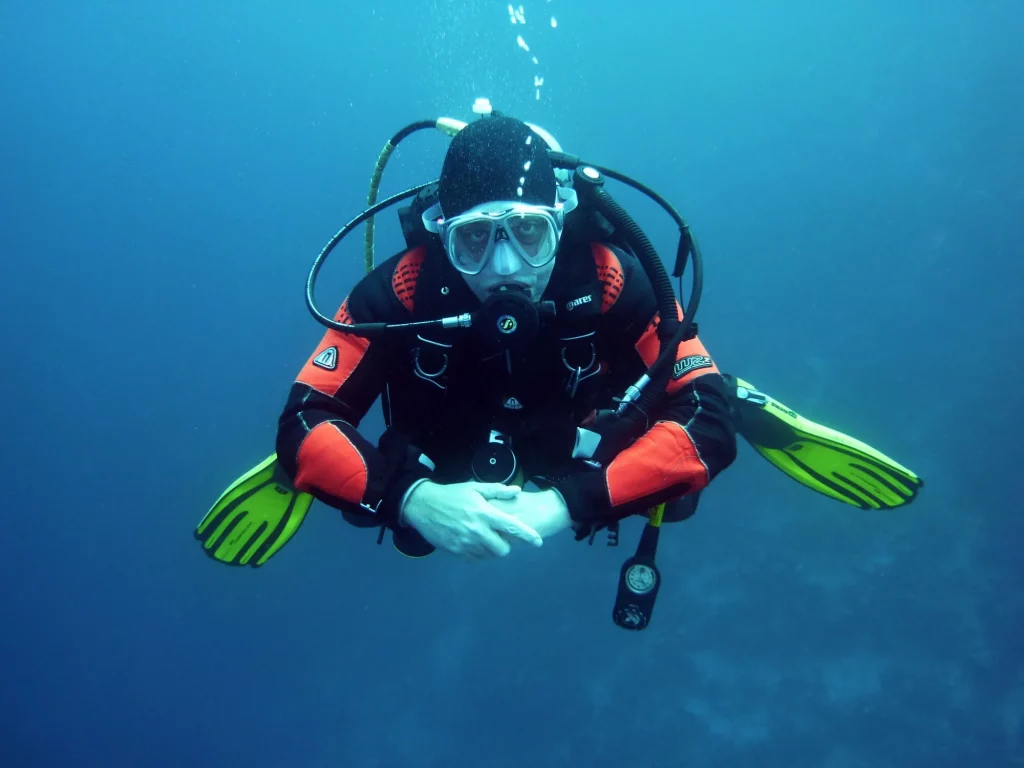
When you are ready to make your descent, reach neutral buoyancy by slowly releasing air from your BCD. You don’t want to completely deflate and plummet downward. Do a gradual sink in which you would hover and control by adjusting your breathing and buoyancy.
Technique: For the descent, exhale slowly to start going down, siphoning off air from your BCD in small bits. Inhale slowly so as to make good adjustments if you feel like you are descending too fast.
3. Equalize Early and Often
In this position of descent, the water pressure on you increases, and you will have to equalize your ears and mask quite often to avoid feeling any discomfort or pain.
Techniques for Equalization: The most generally applied method is the Valsalva maneuver, in which one closes the nostrils with his thumb and index finger and blows out the nose gently. Other techniques include swallowing and wiggling one’s jaw. Find the technique that works best for you and do not wait until you feel discomfort to equalize, but early and frequently, about every few feet.
Mask Equalization: Equalize your mask by blowing a small amount of air through your nose into the mask. This tight mask can be uncomfortable to wear and may even result in mask squeeze.
4. Use Reference Points
It’s disorienting to descend into the blue without any points of reference. Whenever possible, make a visual descent by following a descent line, a reef wall, or your buddy to stay oriented.
Descent Lines: Many dive sites have a descent line attached to a buoy or anchor. Hold onto a line or use the line for visual reference to help control your speed and direction.
Buddy System: Stay near your dive buddy and make use of him/her as your visual reference. This would also ensure that you are in line for communication against any problem arising during the descent stage.,
5. Monitor Your Depth and Time
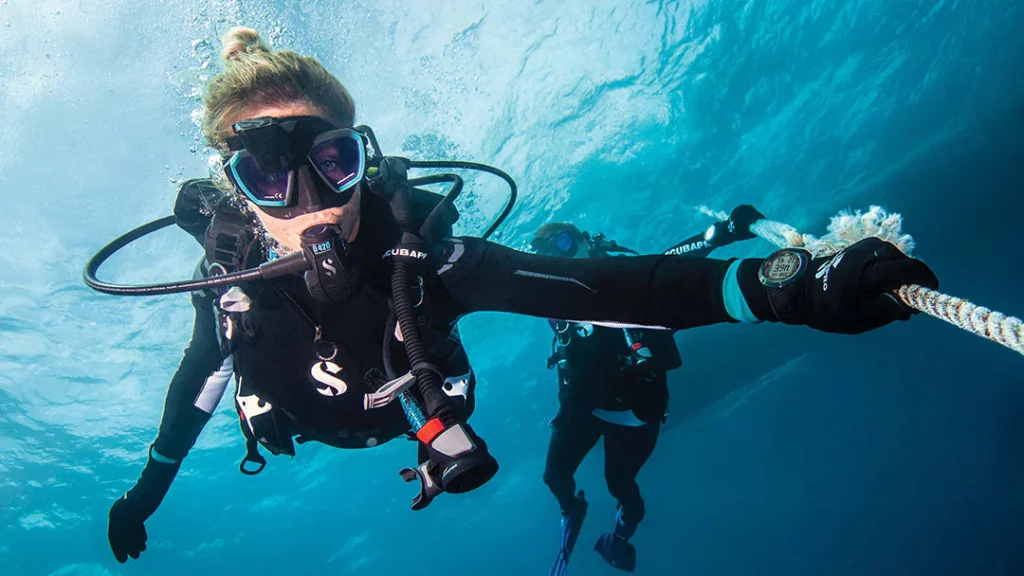
It’s surprisingly easy to lose track of your depth during the descent, if you are equalizing or struggling with buoyancy. Continue to monitor your depth gauge or dive computer to stay within your planned depth limits and avoid descending too quickly.
Control Descent Depth: Pay attention to the depth of your descent. Comfort and conditions permitting, descend at a rate of about 60 feet per minute or slower.
Dive Computer Warnings: Many dive computers come with depth alarms, which warn you if you are descending too fast. Be aware of those warnings and temper your speed accordingly.
6. Maintain an Unhurried Breathing Rate
Breathing is one of the best methods to control your descent. Slow, deep breathing tends to calm you and helps maintain even buoyancy. Quick or shallow breathing leads to changes in buoyancy that make you rise or fall when you least expect it.
Breath Control: Long, slow exhalations help you move downward. If you need to stop the descent, take a deep breath in so as to change buoyancy for yourself.
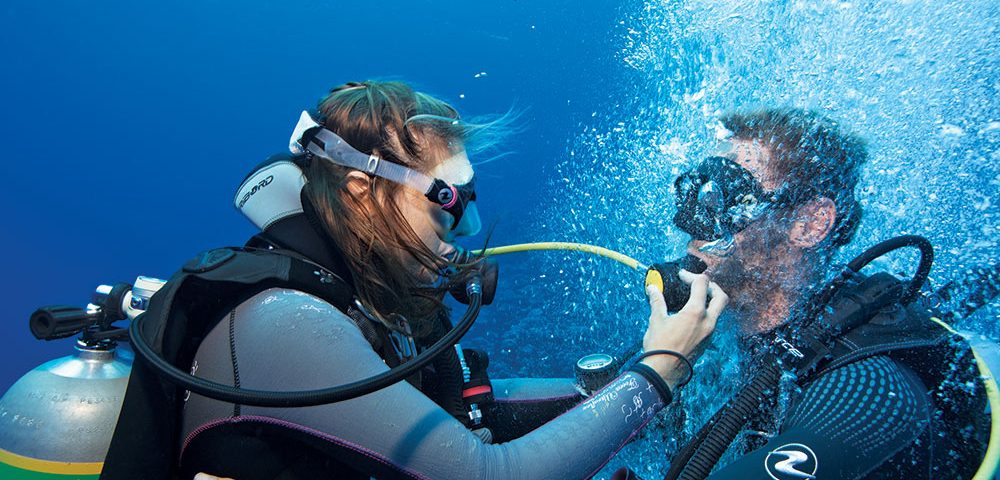
7. Stop if Necessary
If you have difficulty equalizing or a sense of disorientation, stop your descent and take the time to work on it. Come up a few feet if you need to, equalize, and then continue on your slow descent.
Don’t Rush: Do not hurry up to finish your dive. Stopping often to check on your view, adjust your buoyancy, and equalize are great strategies for avoiding problems.
8. Keep Horizontal with Better Control
A horizontal or semi-horizontal position during your descent can give you better control of your buoyancy. In this position, it is easier to manage air in the BCD and control the rate of descent.
Not Head-first Descend: Although some advanced divers do like the head-first position in descending, it is somewhat inconvenient in equalizing and can bring on problems of disorientation. Keep your body position relaxed and slightly horizontal.
Last Thoughts
Be Calm: Nervousness or excitement about the dive might cause you to breathe rapidly, which in turn affects buoyancy. Relax, and keep your attention on every process of your dive.
Practice: The art of controlled descents improves with experience. Once you become confident in handling buoyancy and equalization, the more accurate your descents will be.
A controlled descent is important for a diver at any level. The diver, through buoyancy control, early and frequent equalization, and awareness of his surroundings, can avoid a number of problems that may include disorientation and equalization problems. With good techniques and practice, you will be able to start enjoying your underwater journey right from the very moment when you begin your descent.