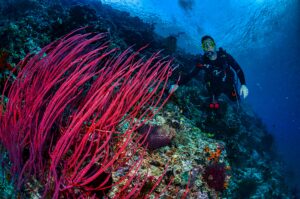
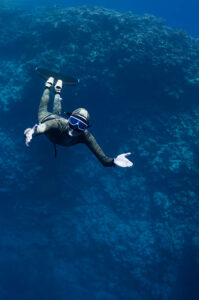
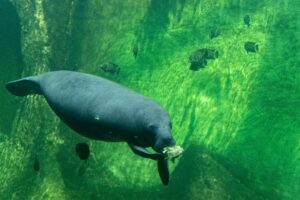
Scuba diving provides a singular opportunity to explore the breathtaking underwater world, but with that privilege comes responsibility. As divers, we’re closer than most of the fragile ecosystems of the ocean reefs teeming with life, kelp forests, and underwater species dependent upon these habitats. Yet, the growing popularity of diving itself has contributed to the deterioration of some of these ecosystems. This is the reason the dive community is now leaning toward **sustainable scuba practices** to protect marine environments for the future.
2024 sees eco-friendly diving initiatives take center stage with reef-safe gear, coral restoration efforts, and responsible dive behavior at the forefront. Let’s dive in and take a look at how they are being done, with divers, in an environmentally friendly manner.
1. Reef-Safe Gear: Minimizing Environmental Impact
One of the easiest, most impactful ways to dive sustainably is by using reef-safe diving gear. Standard gear often includes materials that can be harmful to marine environments, especially coral reefs. Traditional sunscreen has been found to release chemicals into the water, such as oxybenzone and octinoxate, which are toxic to corals and contribute to coral bleaching. Reef-safe products are designed with environmentally friendly ingredients that minimize harm.
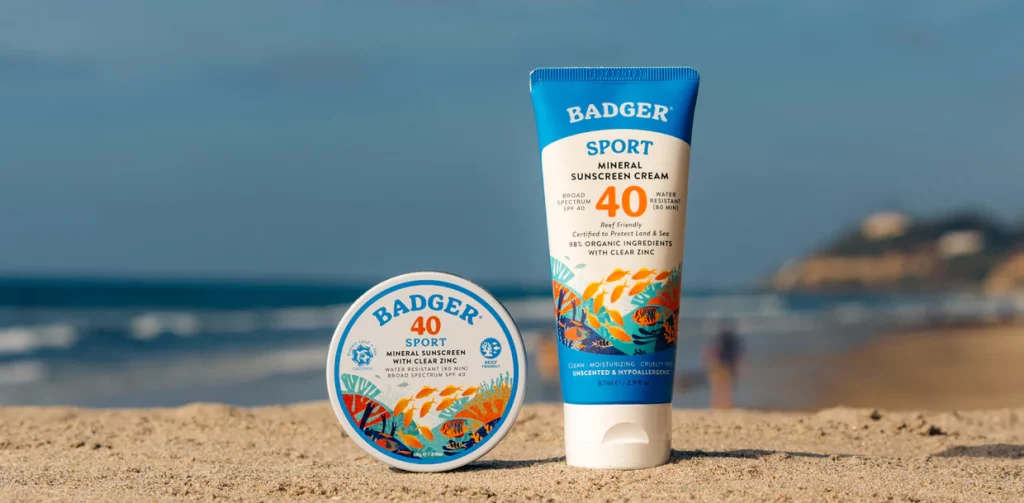
Reef-Safe Sunscreens: Mineral-based sunscreens, such as those with zinc oxide or titanium dioxide, can help reduce the amount of toxic chemicals discharged into the water. These sunscreens will effectively shield your skin from the sun without harming coral and other delicate marine life.
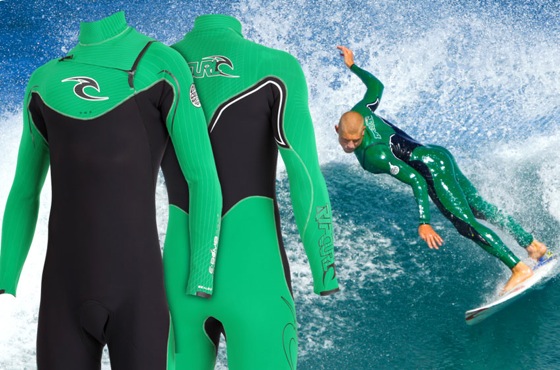
Eco-Friendly Wetsuits: Traditional wetsuits, all made of neoprene, are non-biodegradable but instead break down into microplastics that wind up in the ocean. In turn, other more eco-sensitive brands build wetsuits out of more bio-friendly materials, such as natural rubber – Yulex – or even recycled plastics.
Biodegradable Cleaning Solutions: Most divers are unaware that even the way they clean their gear can make a difference. Biodegradable cleaning solutions ensure no harmful chemicals are washed into the water when rinsing is done.
2. Coral Reef Restoration: Giving Reefs a Fighting Chance
Coral reefs count as some of the most diverse ecosystems in the world but are also some of the most fragile. Other than climate change, pollution overfishing is yet another factor, while careless diving practices have given coral reefs serious dings around the world. In return, these incidents have driven the diving community to be more and more involved with coral restoration projects designed to give reefs a second chance.
CORAL NURSERIES: Nurseries are the places where pieces of coral, broken or otherwise harmed, are grown in controlled conditions and replanted afterward in areas of degraded reefs. From the Caribbean through Indonesia, dive operators from around the world, along with marine biologists and conservationists, are joining forces to replant coral colonies directly into the ocean to restore damaged coral reefs.
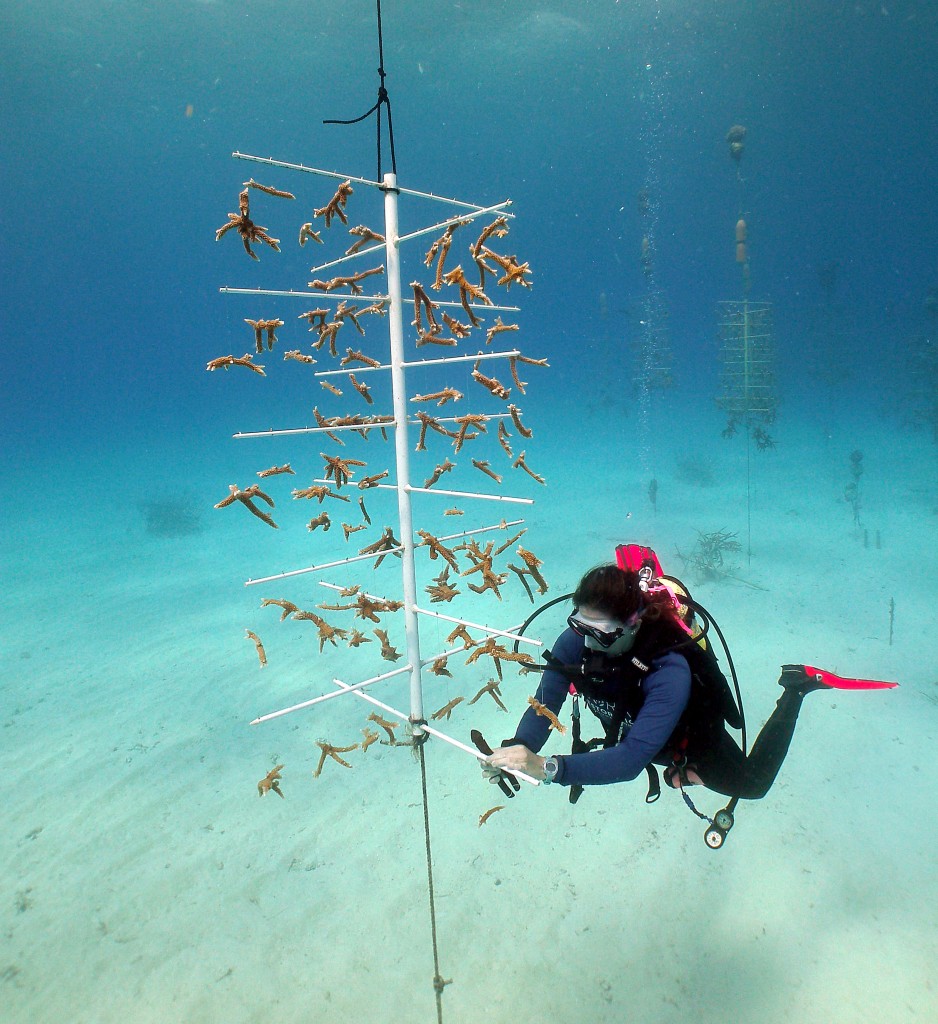
Adopt a Coral: Many dive organizations have programs where divers can “adopt” a coral. For a minimal donation, the divers enable coral nurseries and restorations, and can even visit “their” coral on a reef while growing and thriving. It’s a very hands-on way for the diving community to be involved in regenerating coral ecosystems.
Coral Reef Restoration Certification: Many dive schools offer certification in coral reef restoration whereby divers may get firsthand experience in reef rehabilitation. Divers learn how to collect, grow, and transplant coral fragments while maintaining the principles of safe and responsible diving. It transforms the diver from a mere tourist to a marine steward helping systems restore themselves directly.
3. Marine Conservation Programs: Diving with Purpose
Another exciting trend in sustainable diving is the rise of **marine conservation programs**, where divers can pair their passion for the ocean with real-world conservation. These offer unique opportunities to contribute toward the health of marine environments while diving into some of the world’s most beautiful locations.
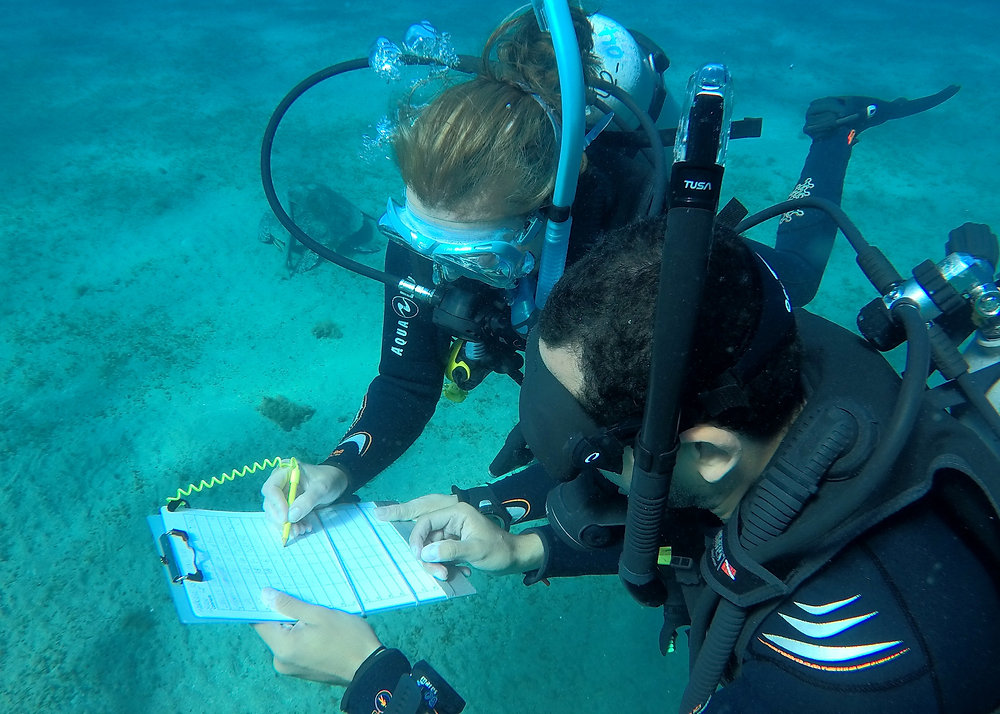
Citizen Science Programs: Divers contribute a lot to data gathering for marine research through citizen science programs. The divers, through species identification, monitoring of reef health, and cleaning up debris, provide needed information to researchers whose interest is in marine biodiversity protection. Such programs as REEF and Project AWARE have involved divers in contributing to the protection of marine life by making recordings of their observations during dives and sending these recordings for inclusion in global databases.
Underwater Cleanups: Marine debris is one of the most significant threats to the health of the ocean, and divers are in a unique position to be ableto contribute to its removal. Local dive shops or conservation organizations sometimes organize underwater cleanup dives that allow divers to remove plastics, fishing lines, and other pollutants that harm marine life. For example, through the **Dive Against Debris** program, many thousands of divers worldwide have combined in an effort to clean the oceans of trash.
4. Responsible Diving: Taking Care of What We Love
Aside from using marine-friendly diving equipment and participating in restoration projects, much can be done on the level of personal actions that one can take as a diver to save the oceans. Responsible diving will not only not harm it, but it will involve you in taking care of marine life.
No-touch policy: Probably the most important rule in sustainable diving is to look but not touch. The coral reefs are really very fragile, and even the slightest touch can destroy the coral. It is also advisable for divers to avoid stirring the sediment, which can smother the coral and affect marine ecosystems.
Buoyancy Control: Not only does it make one a better diver, but also it aids in the protection of marine environments. Poor buoyancy control may result in accidental contact with either the reef or the ocean floor, thus damaging the corals and disturbing the marine life. Practicing neutral buoyancy allows divers to stay well away from the reef yet still enjoy the view.
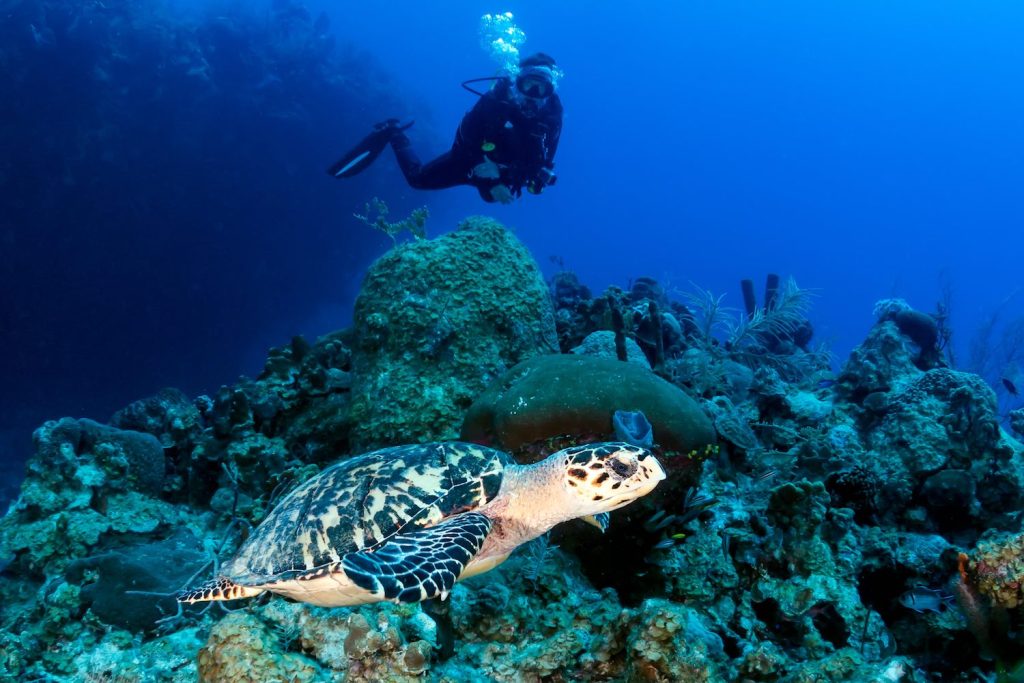
Interaction with Marine Life: Divers should treat the marine life as they would like to be treated. Approaching too close or trying to touch certain marine animals, such as sea turtles, sharks, and rays can be very stressful for them. It is advisable to keep away from them and follow the code of conduct espoused by locals. Such an observation of marine life will help in the protection of their natural behaviors and their habitats.
5. Responsible Dive Operators: Registering on Ecological Tours
As the demand for sustainable diving goes up, more dive operators have taken on eco-friendly ways in order to reduce impacts on the environment. Opt for a **sustainable dive operator**, which can assure you that your dive experience will contribute to marine conservation and not become a contributor to its destruction.
Green Fins Certification: Many dive operators are also adopting **Green Fins** guidelines, which is a globally recognized certification promoting better diving sustainability. Green Fins certified operators have a more environmentally friendly approach by radically reducing single-use plastics and energy consumption, and teaching divers good ecological practices.
Carbon Offsetting: Some diving operators now offer carbon offset schemes whereby divers can offset the emissions generated in traveling to and diving a certain site. By investing in projects that reduce carbon emissions, divers can help mitigate the environmental impact of their dive trips.
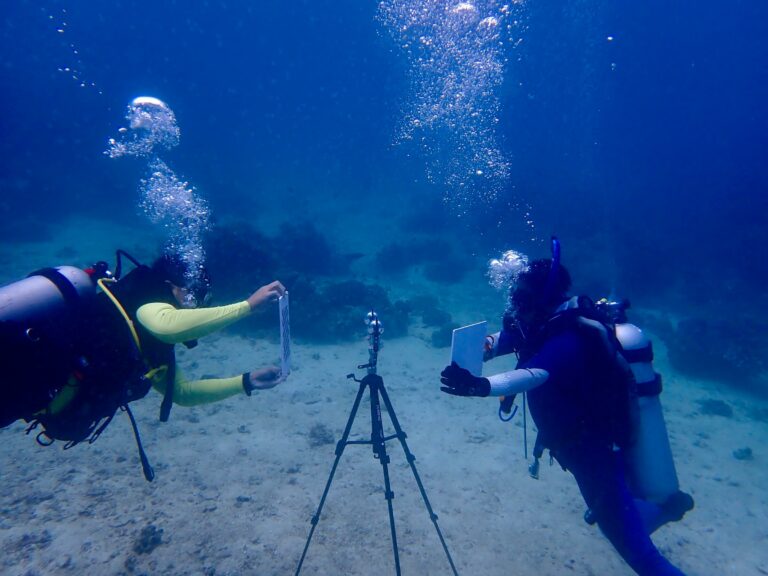
The ocean is something to be marveled at, and scuba diving is actually quite a privileged way to explore it firsthand. But with privilege comes great responsibility to protect and preserve it. Some key sustainable scuba practices one is obliged to take with regard to maintaining healthy oceans include the use of reef-safe gear, participation in coral restoration activities, and responsible diving behavior.
As more eco-friendly initiatives are put in place and take hold in most divers who are aware of the impact they can cause, they are fast emerging as a strong force for ocean conservation. By embracing these sustainable practices, divers continue to explore the wonders of the underwater world while playing an active role in its preservation.