The oceans of the world are brimming with life, coral reefs, and complex ecosystems under continuous threat. Climate change, pollution, overfishing, and habitat destruction are just a few of the threats these delicate underwater environments constantly face. Over the past two years, however, a powerful ally has emerged in the protection and conservation of our oceans: **Artificial Intelligence**. It’s combined with the unique perspective that scuba diving brings to the underwater world that AI-powered conservation will transform the tracking and monitoring of marine life, coral health, and ocean conditions.
From research into recreational diving, AI is playing a critical role in helping divers collect data, recognize patterns, and use that information to make informed choices to safeguard our oceans. This new frontier in AI-driven ocean conservation offers revolutionary tools to scientists and citizen divers who want to protect marine ecosystems in real time.
Role of AI in Marine Conservation
Artificial Intelligence is one of the fastest-evolving areas across different industries; marine conservation is no exception. In the case of ocean health, for example, AI can process a great deal of data from different sources like satellite imagery, and underwater drones, and diver-collected data into actionable insights. These enable marine researchers and divers to keep track of changes in marine ecosystems with remarkable accuracy and swiftness that is impossible to develop through human observation alone.
1. AI-Powered Marine Life Monitoring: Understanding Behaviour and Biodiversity
Tracking marine life has always posed a challenge to marine biologists when the species are rare, elusive, or migratory. Due to AI-powered solutions, today divers can help track and monitor such species with efficiency as never before.
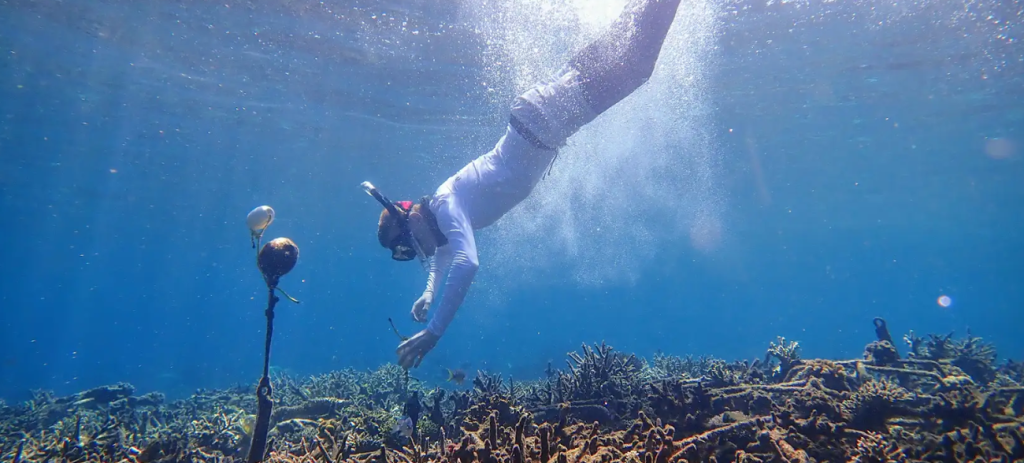
AI Species Identification: Divers and underwater drones fitted with cameras capture footage of marine life in real time. They start off with thousands of images of fish, sharks, sea turtles, and other creatures that have been taken during training; through this, AI systems can identify not just species but also repeat individuals through specific marks on a pattern of spots in the case of a whale shark, or through the fins of dolphins. In this way, it will be easier for scientists and divers to track endangered species, estimate populations, and monitor behavioral patterns, migration routes, and feeding habits.
Behavioral Analytics: AI doesn’t just stop at identifying species. It can also analyze the behaviors of marine animals captured on video. For instance, AI systems can recognize whether the fish are feeding, mating, or showing signs of stress due to environmental changes. Such insight helps researchers understand how marine life responds to human activities like fishing, pollution, and tourism.
Diver Contributions to AI Databases: These projects in citizen science also provide the opportunity for recreational divers to contribute by uploading photos and videos of marine life into global AI-powered databases. For example, platforms such as **iNaturalist** and **Wildbook** use AI to process and sort information collected by divers and thus provide worthy databases to be analyzed.
2. Coral Health Monitoring: AI to the Rescue of Reefs
Coral reefs are often considered the “rainforests of the sea” because they host an incredible array of marine life. They are also among the most threatened ecosystems in the world. Rising sea temperatures, along with pollution and destructive fishing practices, have brought massive coral bleaching and reef degradation. Finally, AI technology can now be used to better monitor coral health and provide guidance for restoration efforts.
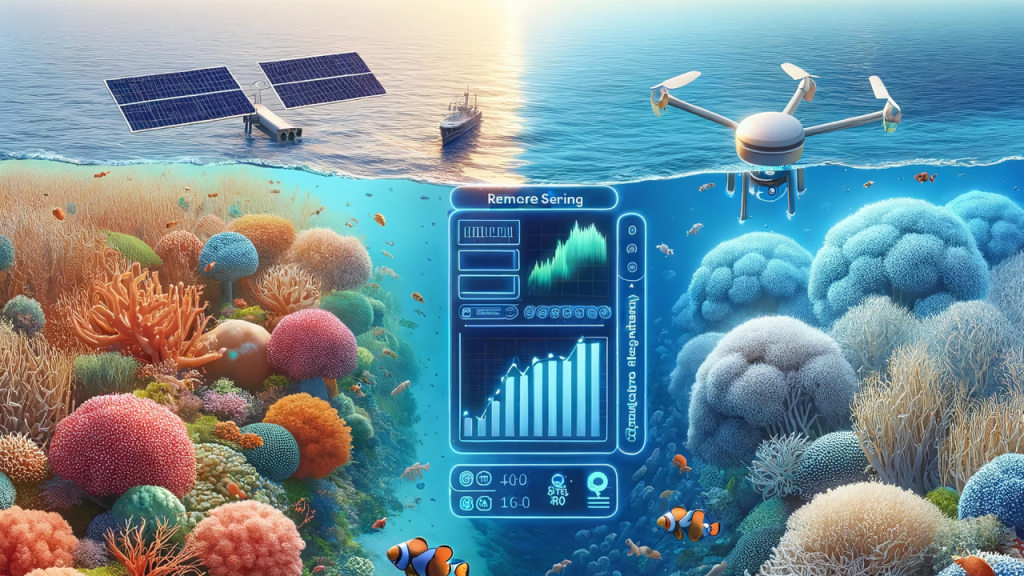
AI for Coral Health Analysis: Divers can shoot images of the reefs by using underwater cameras or drones. In turn, through AI algorithms, these images are analyzed to detect any traces of bleaching, diseases, or damage. By comparing current data with historical records, an AI system can monitor and track the health of particular coral colonies over time. This would give scientists insight into the patterns of degradation or recovery. This also aids in prioritizing areas to be considered for immediate restoration efforts.
Predictive AI Models: Probably one of the more exciting capabilities of AI involves being able to forecast what is going to take place in years to come, based on today’s trends. In analyzing data on ocean temperatures, water quality, and reef health, AI can forecast which reefs are most at risk of bleaching events. Such an early warning would allow conservationists to get ahead of the issue by using marine protected areas or even coral reef restoration before it becomes irreversible.
Artificial intelligence also finds its application in the field of coral restoration. For example, the development of AI-powered robots that are capable of planting coral fragments in areas of reefs that have been damaged is occurring. Such robots find an optimal place to plant using machine learning for the best chance of coral survival. All these efforts are being complemented by AI data about ocean conditions and, thus, are becoming more and more targeted.
3. AI for Monitoring Ocean Conditions: A Real-Time Approach
While it is important to monitor individual species or coral reefs, it is equally important to know the bigger environmental condition that prevails over the ocean. AI-enabled tools are assisting divers and researchers in tracking vital ocean parameters in real time.
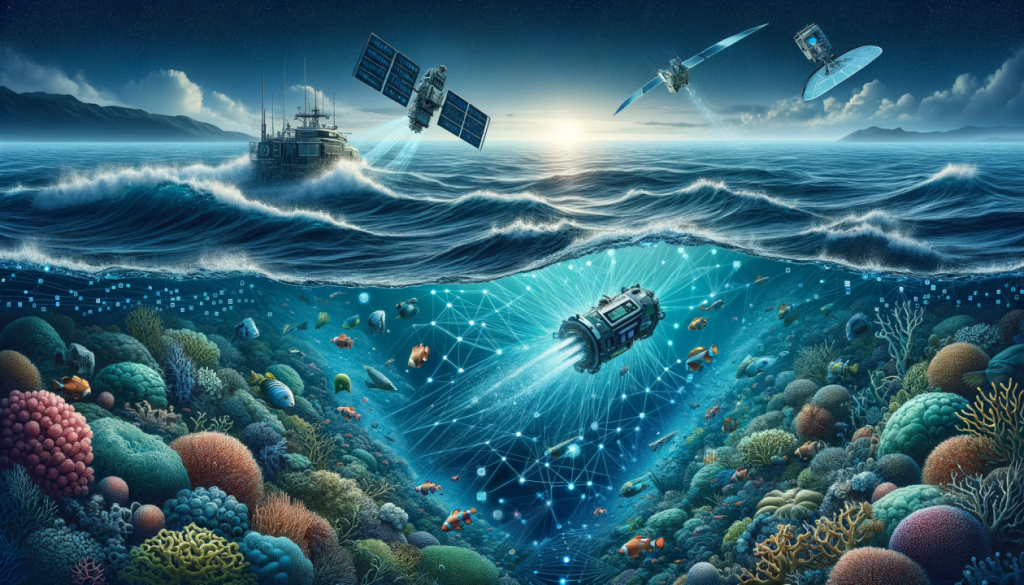
AI-driven advanced sensors with integrated AI technologies can be deployed underwater to measure environmental variables such as temperature, pH levels, salinity, and nutrient levels, among others. These will be attached to buoys, drones, and even wearables for divers. This information shall be useful in demonstrating exactly how climate change, ocean acidification, and pollution are affecting marine ecosystems at a very specific level.
AI-Enhanced Ocean Charting: Due to the very nature of most areas being inaccessible underwater, mapping the ocean floor has been a tedious job for quite a while now. AI is being put into use to chart detailed maps of the oceanic floor and its ecosystems through deliberation with sonar and satellite data. This is crucial in identifying habitats on the ocean floor, monitoring changes across time, and protecting areas of ecological concern. Divers and underwater vehicles with AI-guided sonar will contribute to such a map, which lets conservationists monitor the shifting underwater landscapes and track the formation of new habitats.
4. AI and Citizen Science: Empower Recreational Divers
Now, thanks to AI-powered tools designed for everyday use, recreational divers can be more actively involved in marine conservation. For example, by uploading photos of the fish they encounter on dives or even simply using an app that can measure water conditions, divers are now crucial to large-scale conservation efforts.
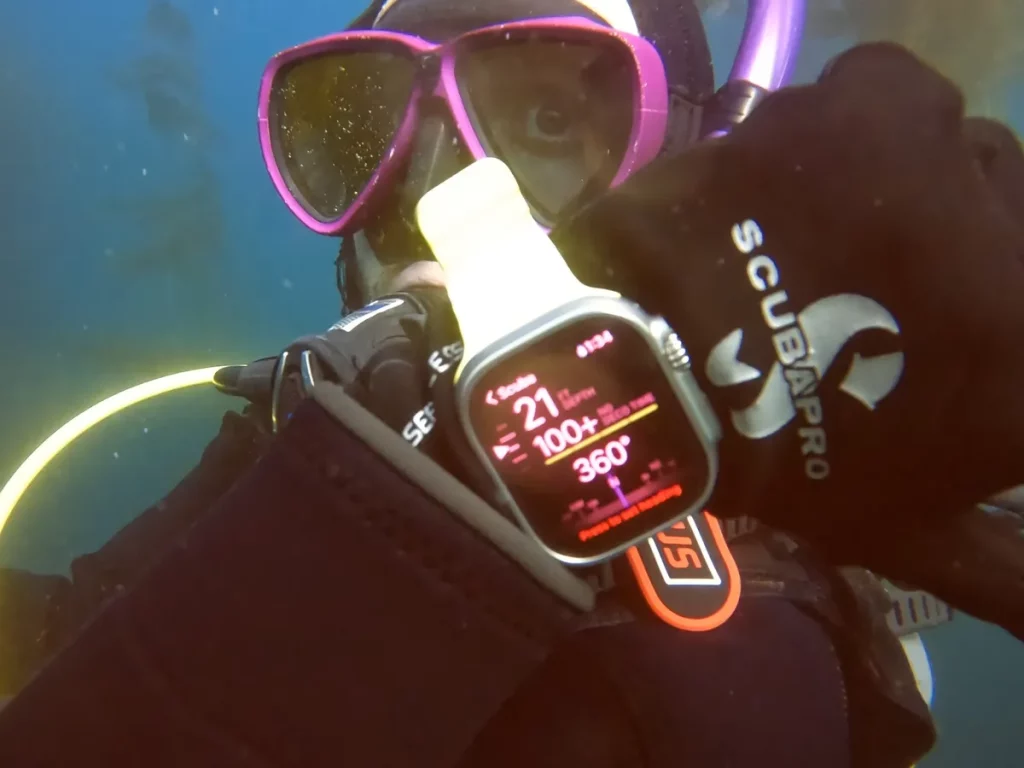
AI-powered dive apps: Many dive-centric applications, among them SeaSketch and DAN’s Diver Safety App, are powered with AI that enables divers to report about the conditions of their dives and the observed species during the same. These reports become available to the conservation groups and the relevant government agencies for monitoring of marine-protected areas for sightings of endangered species, illegal fishing, and many other purposes.
AI for Marine Debris Tracking: Divers are increasingly being involved in underwater cleaning, and removing plastic waste, fishing nets, and other debris. This would analyze the photos of gathered debris by AI-powered systems in order to track sources of pollution and trace the movement of plastic waste in the ocean. It provides data on advocating for stricter regulation of plastic use and guides cleanups into high-impact areas.
5. The Future of AI in Marine Conservation: Collaboration
The adoption of AI in marine conservation has just started, and its future possibilities are endless. As AI technology advances further, it will continue to enhance the work of divers, scientists, and conservationists in protecting the ocean more effectively. However, such success of AI-powered conservation depends upon collaboration between divers, researchers, and technology developers. In fact, with active participation, the diving community can ensure that AI is used in an ethical and efficient manner to provide the benefits of marine ecosystems for future generations.
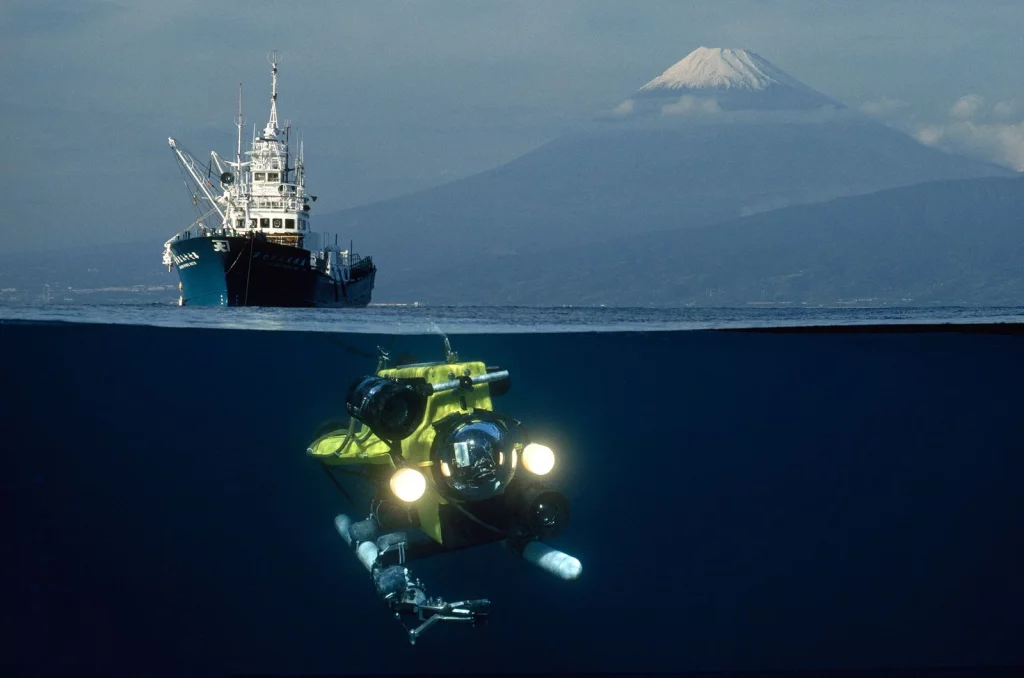
This is an exciting new prospect for the world’s oceans, which is taking a deep plunge under ever-mounting stress. Be it monitoring marine life, coral health, or even precarious oceanic condition changes, AI is giving divers and researchers the ability to collect and analyze data in ways never before possible.
By embracing AI-powered tools, divers-whether they be scientists, citizen scientists, or recreational explorers-can contribute to the unified effort of global conservation while enjoying their underwater adventures. Perhaps the melding of scuba diving and AI may prove to be just what ocean conservation needs to protect that underwater world that divers love so much. With these innovations, we are taking an important step toward safeguarding the future of our oceans.