Exploring the uncharted depths of the underwater world is a thrilling adventure that leaves many in awe and longing for more. While recreational diving provides a wonderful chance to discover the sea’s beauty and wonders, there’s an advanced form of diving known as technical diving.
Technical diving is tailored for adventurous explorers seeking greater challenges and excitement. Unlike recreational diving, it demands specialized training, equipment, and procedures, enabling divers to exceed the boundaries of conventional scuba diving.
So, What distinguishes technical diving from recreational diving?
Understanding the differences between recreational diving vs. technical diving is crucial for divers looking to expand their skills and experience.Keep reading to get what you are looking for.
What is Recreational Diving?
Recreational diving is the most prevalent form of scuba diving. Recreational divers are trained to stay within no-decompression limits, allowing them to ascend directly to the surface without making decompression stops.

What is Technical Diving?
Technical diving is a specialized form of scuba diving that exceeds the limits of recreational diving. It involves the use of mixed gas mixtures, diving to greater depths, and making decompression stops. Technical divers also rely on specialized equipment and extensive training.
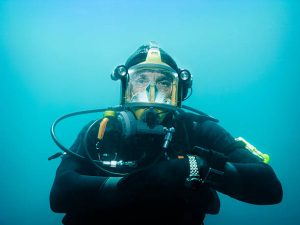
Recreational Diving vs Technical Diving
As a dive enthusiast, you may have set the comparison “Recreational diving vs Technical diving”, In the next five points, you will find the solution to the dilemma..
Training and Certification:
- Recreational diving: Recreational divers usually receive basic training and certification from organizations like PADI ,NAUI or SSI. This training includes the fundamentals of scuba diving, such as dive planning, equipment usage, and conducting safety protocols
- Technical diving: Technical divers receive advanced training that goes beyond recreational diving. This training includes areas like mixed gas diving, emergency procedures and decompression theory. Certifications for technical diving can be obtained from organizations such as IANTD, TDI, and GUE
Dive Depth and Time:
- Recreational diving: Recreational divers usually dive to 40 meters (130 feet) deep or less. While they can dive for extended periods, they must remain within no-decompression limits to prevent decompression sickness.
- Technical diving: Technical divers can reach 100 meters deep (330 feet) or even more. They often dive for extended periods, but they need to meticulously plan their dives and conduct decompression stops to prevent decompression sickness.
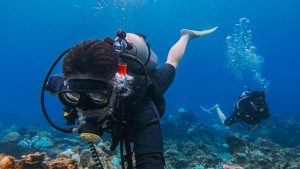
Equipment and Gear:
- Recreational diving: Recreational divers generally use standard scuba gear, including a regulator, a single air tank, and a buoyancy compensator. They might also utilize additional equipment, such as a dive light, and a dive computer.
- Technical diving: Technical divers utilize specialized scuba diving equipment, including backup regulators, multiple gas tanks, and dive computers. They might also use additional specialized gear like stage decompression bottles, and closed-circuit rebreathers.
Planning
- Recreational diving: Recreational divers utilize an RDP or a dive computer for dive planning. Most dive computers for recreational diving provide visual guidance, making dive planning straightforward and user-friendly..
- Technical Diving: Tec divers adhere to meticulous planning procedures. Preparing gear, using gas mixtures, and staging decompression takes considerable time, but they view planning as an integral part of the adventure.
Complexity:
- Recreational diving: This activity is typically deemed safe as long as divers adhere to proper training and safety protocols, which help minimize risks.
- Technical diving: Compared to recreational diving, technical diving involves higher risks because of the increased complexity of the dives. It necessitates meticulous planning and strict adherence to safety protocols to mitigate these risks.