Open-circuit regulators are vital for scuba diving, providing divers with a reliable supply of breathable air underwater. Over the years, their design has evolved significantly, focusing on reducing breathing resistance and enhancing efficiency. In this article, we’ll explore the advanced designs that make modern open-circuit regulators indispensable for underwater enthusiasts.
Understanding Open-Circuit Regulators
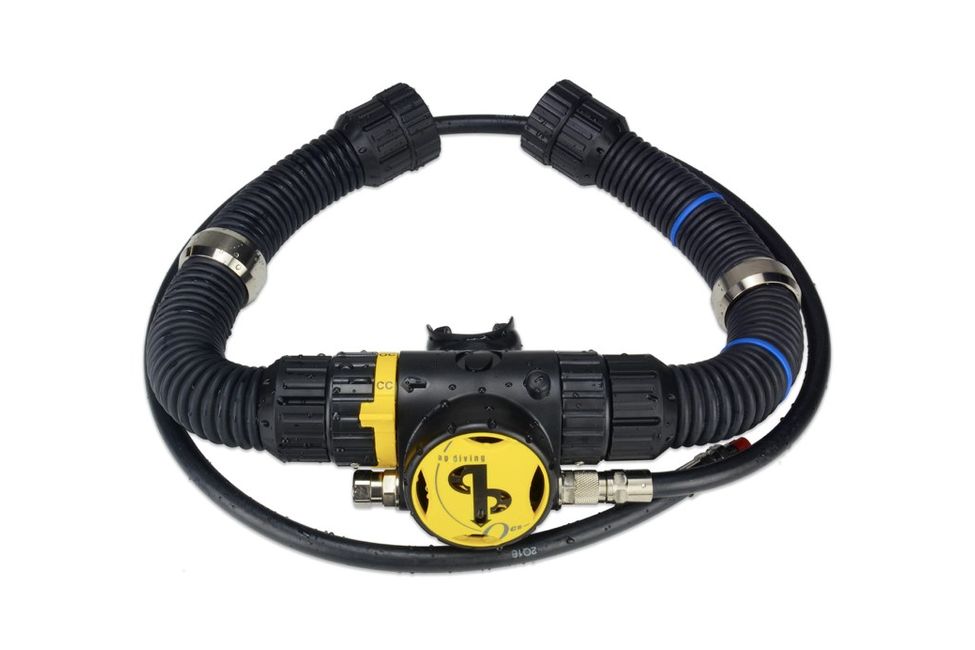
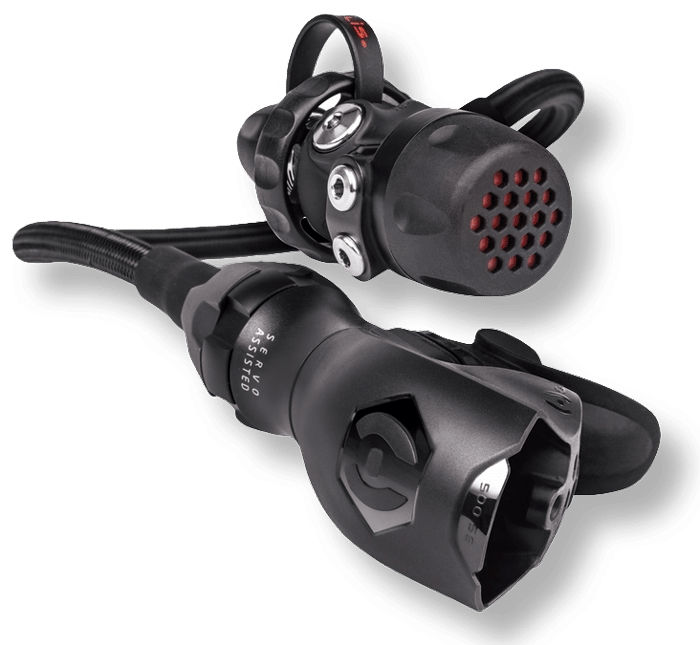
An open-circuit regulator is a device that delivers air to the diver on demand. When the diver exhales, the air is released into the water as bubbles, hence the term “open-circuit.” The two main components of an open-circuit regulator are:
1. First Stage: Attached to the air cylinder, it reduces the high pressure from the tank to an intermediate pressure.
2. Second Stage: Situated at the diver’s mouth, it further reduces the intermediate pressure to ambient pressure, making it comfortable for the diver to breathe.
Challenges in Regulator Design
Early models of open-circuit regulators often suffered from such problems as high breathing resistance, inefficient air delivery, and freezing in cold water. Besides the discomfort, these defects presented serious safety risks for divers, especially during deep dives or in difficult conditions.
Key Innovations in Advanced Regulator Design
Modern open-circuit regulators address these issues with several advanced features:
1. Balanced Systems
Balanced regulators maintain consistent breathing effort independent of tank pressure or depth. By balancing the internal components, these systems ensure smooth air delivery even as the air supply depletes.

2. Advanced Diaphragm and Valve Technology
High-performance diaphragms and precision-engineered valves reduce breathing resistance. Some designs use lightweight materials and optimized airflow channels to enhance responsiveness.
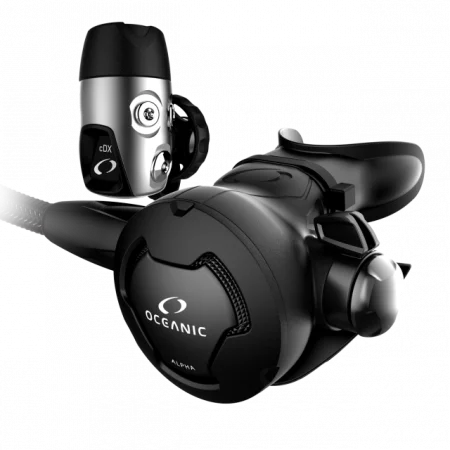
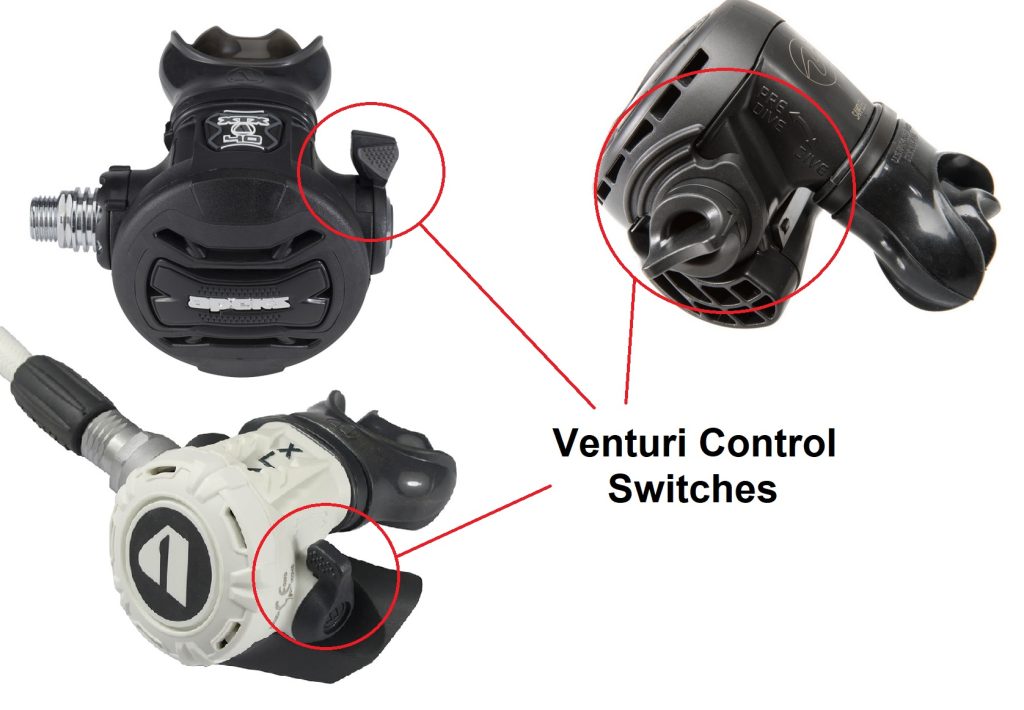
3. Venturi Assist
Venturi assist mechanisms are meant to reduce breathing effort using airflow dynamics. Thus, the regulator minimizes the breathing effort while inhaling by guiding the airflow through specifically constructed pathways.
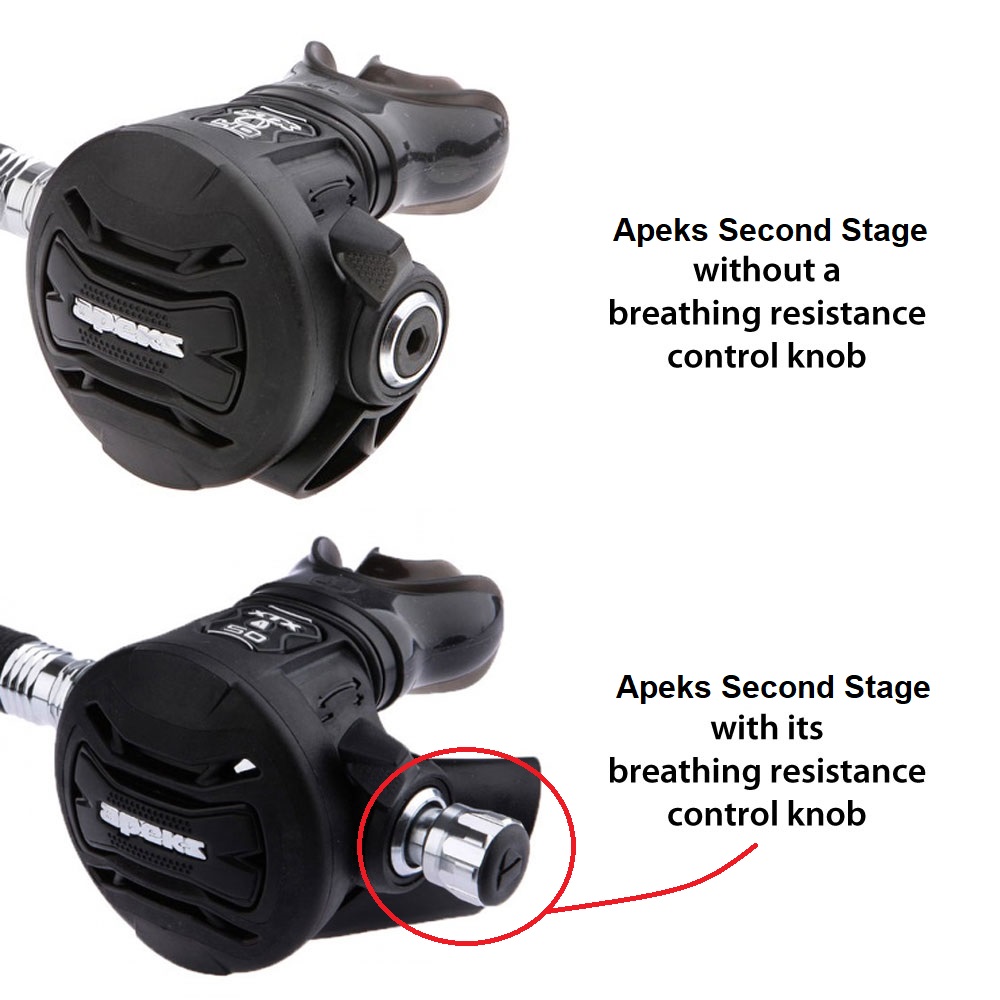
4. Adjustable Breathing Resistance
Most modern regulators are equipped with the ability to manually adjust breathing resistance by divers. This provides wider control and comfort, particularly in varying conditions underwater.
5. Environmental Sealing
Environmental sealing prevents water and contaminants from entering the first stage. This design is important for cold water diving, as it reduces the risk of freezing and ensures reliable performance.
6. Improved Exhaust Systems
Efficient exhaust systems minimize the effort required to exhale, reducing diver fatigue. Advanced designs also optimize bubble dispersion, improving visibility around the diver.
Materials and Durability
The selection of materials is critical to the performance of the regulator. Most modern open-circuit regulators feature:
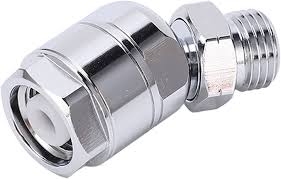
- Corrosion-resistant metals such as marine-grade brass or titanium for durability.
- Lightweight plastics and composites to minimize overall weight.
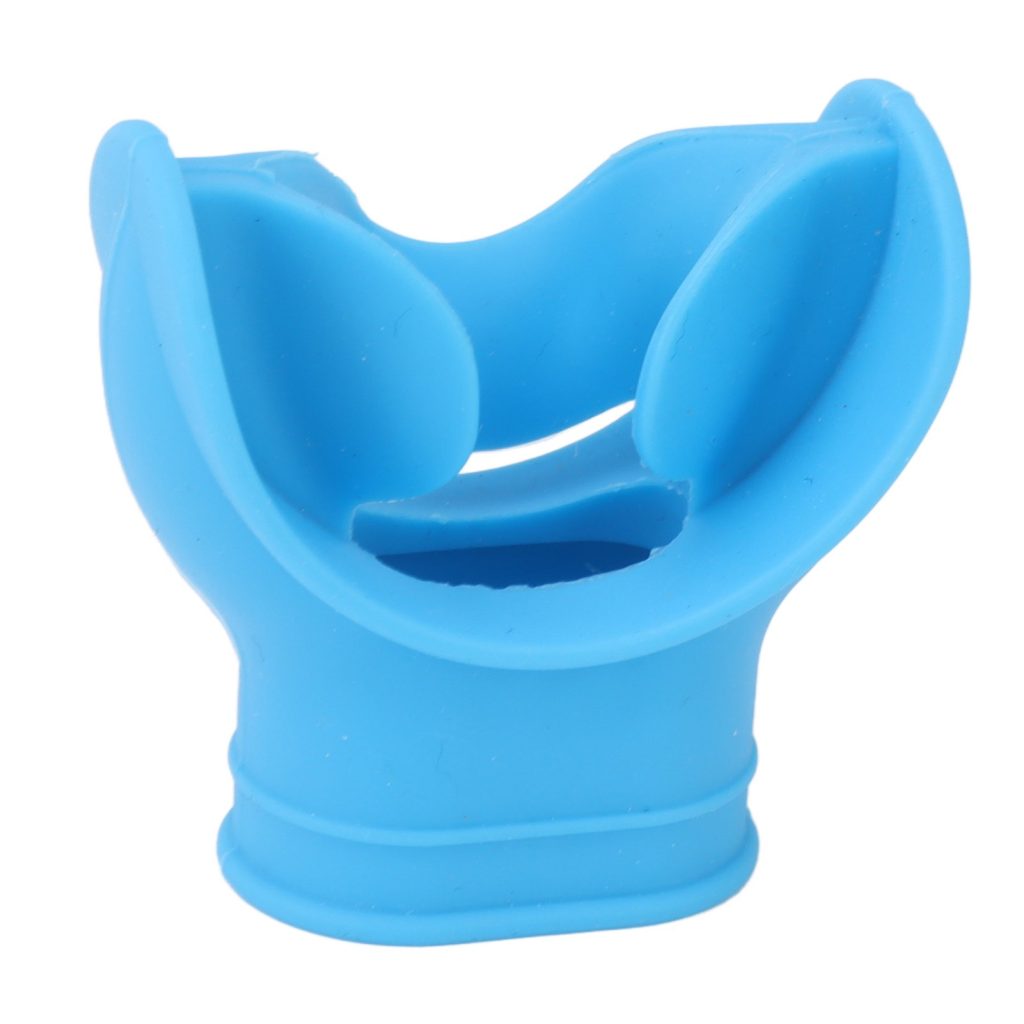
- High-grade silicone for seals and diaphragms, ensuring strength and comfort.
Testing and Standards
Regulators are also subjected to stringent tests to achieve international safety standards like that prescribed by the European Norm, EN 250. Sophisticated tests include simulations for extreme depths and temperature conditions to ensure their reliability in varied conditions.
Future Trends in Regulator Design
The future of open-circuit regulators lies in further advances in materials, automation, and connectivity:
- Smart regulators equipped with digital sensors may monitor air consumption and environmental conditions in real-time.
- Better ergonomics for decreased jaw fatigue and higher overall comfort.
- Environmentally aware designs, using green material and producing processes.
The regulator has evolved from the basic open-circuit regulator of old. Today, designs are more advanced, with low resistance and better breathing. These offer reliability and comfort unmatched by divers today. Whether you dive as a sport or a job, deep into the ocean, you need a good-quality regulator to be able to enjoy your time and stay safe underwater. With ongoing innovations, the future of scuba diving looks even more promising.