One of the most important and critical skills one can develop in scuba diving is buoyancy management. With neutrality in water, a diver can have easy mobility while conserving energy and also without damaging the sensitive ecosystem beneath the ocean. Buoyancy Control Devices and their main ingredient, air bladders, are key to this ability. The article shows how these devices work and how they operate in relation to providing specific buoyancy control.
Understanding Buoyancy
Buoyancy: The upward force a fluid exerts to oppose the weight of an object immersed in it. Three types of buoyancy the diver will experience are:
- Positive buoyancy: The diver floats upwards.
- Neutral buoyancy: The diver stays in suspension at a fixed depth.
- Negative buoyancy: The diver sinks downwards.
Good buoyancy control enables divers to maintain neutral buoyancy to reduce unnecessary physical exertion, thereby enhancing their diving experience.
What is a Buoyancy Control Device?
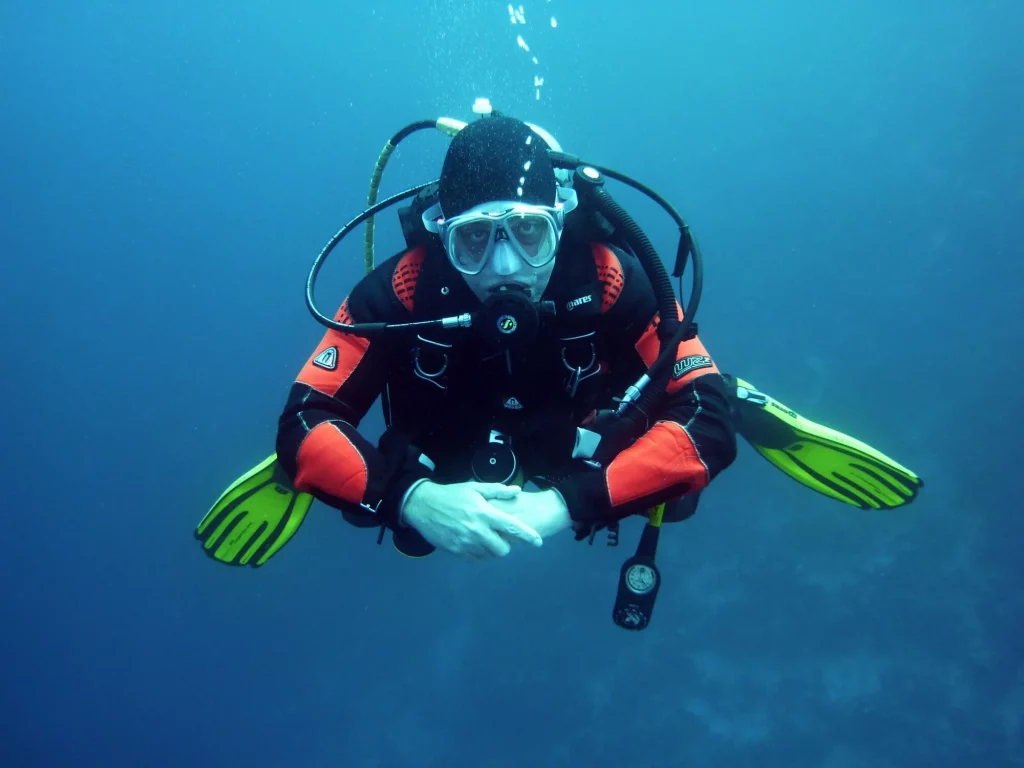
A BCD is an essential diving accessory that allows divers to achieve weightlessness at any point of the dive. A BCD is comprised of the following accessories:
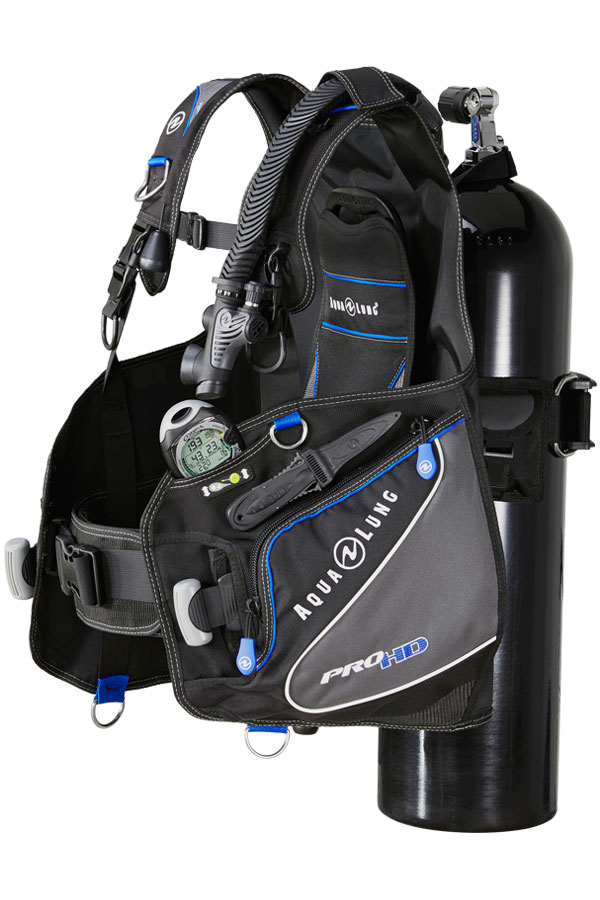
- Air bladder: A flexible bag that accommodates air for buoyancy.
- Inflation/deflation mechanisms: Buttons or levers coupled with an inflator hose for adding or releasing air.
- Weight system: Pockets or integrated weights to counteract positive buoyancy.
- Straps and harness: To secure the BCD to the diver.
How Air Bladders Work
The air bladder is the heart of the BCD, allowing divers to fine-tune their buoyancy. Here’s how it works:
1. Air Intake: The diver inflates the bladder by pressing the inflator button, which releases air from the scuba tank into the bladder. The increased volume of air reduces the diver’s overall density, creating positive buoyancy.
2. Air Release: Pressing the deflator button or pulling a dump valve allows air to escape, reducing the bladder’s volume and increasing the diver’s density, leading to negative buoyancy.
3. Neutral Buoyancy Adjustments: Divers attain neutral buoyancy by adding or releasing small amounts of air to maintain their position in the water column.
Types of BCDs
There are several types of BCDs, which suit different diving preferences. These include:
- Jacket-style BCDs: These are the most commonly used by recreational divers. They distribute air around the torso of the diver.

- Back-inflation BCDs: These are preferred by technical divers. The air bladder is on the back and provides better trim and balance.
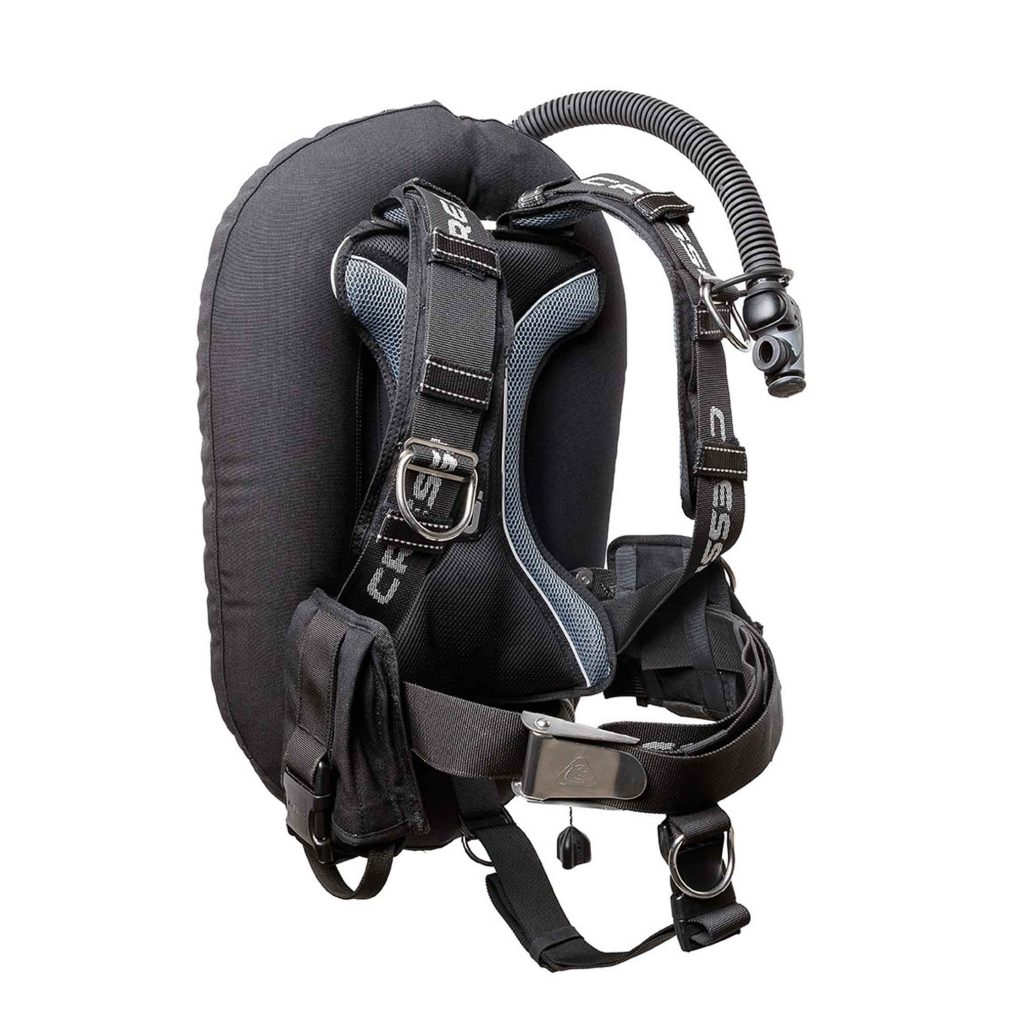
- Wing-and-harness systems: Smaller configurations for technical or cave diving, where buoyancy and equipment are individually adapted.

Advanced Capabilities of Modern BCDs
Modern BCDs integrate functionality that promotes greater precision and convenience. For instance,
- Integrated weight systems: These are available to negate the use of other weight belts.
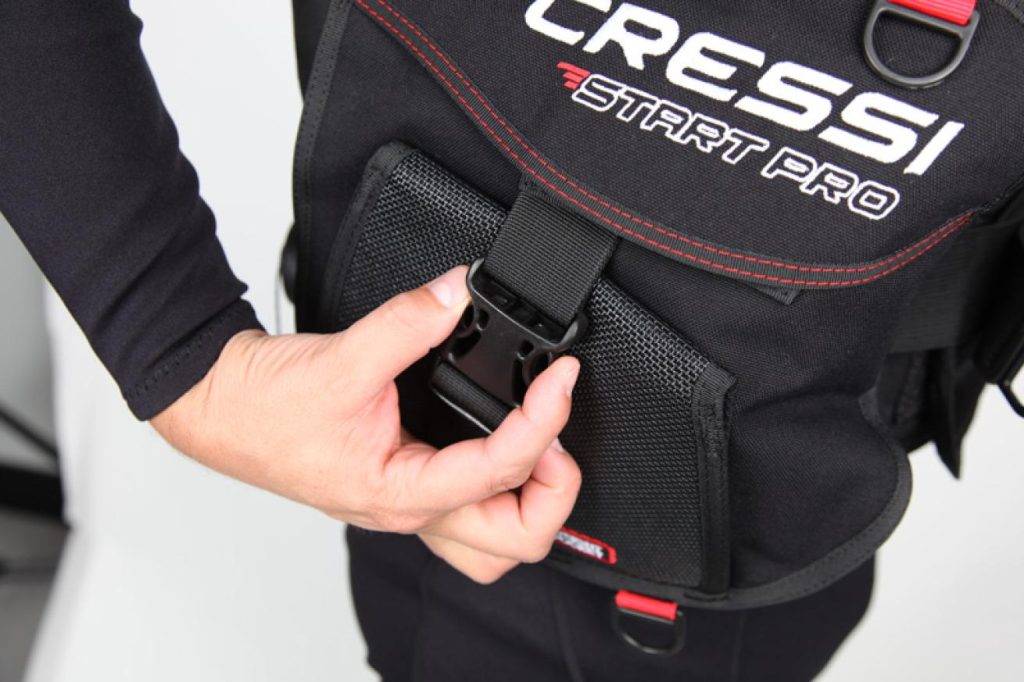
- Adjustable straps and buckles: Accommodate a fit that promotes good hydrodynamics.

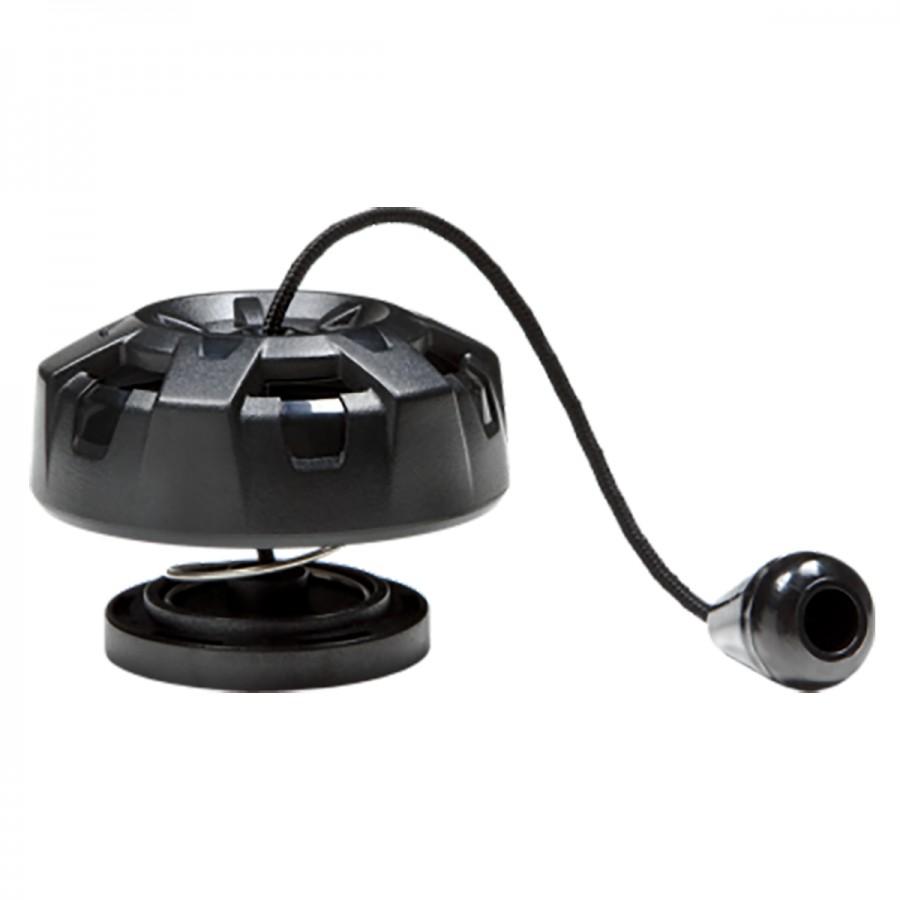
- Dump valves: The dump valve can be located at a variety of points to facilitate ease in different positions.
- Hybrid designs: Combining jacket and back-inflation features for versatility.
The Role of Training in Buoyancy Control
Owning a high-quality BCD is not enough; mastering its use is essential. Divers must practice inflating and deflating the bladder to develop a feel for achieving neutral buoyancy. This skill is honed through repetition and training, often during open-water certification courses or advanced diving sessions.
Maintenance and Care of BCDs
Proper maintenance will extend the life and dependability of a BCD:
- Rinse thoroughly: After every dive, the inside and outside of the BCD must be rinsed with fresh water.
- Inspect for damage: Check the bladder, the inflator mechanism, and valves for wear and tears.
- Store correctly: Allow the BCD to stay partially inflated and store it in a cool, dry place, away from deformation.
Buoyancy Control Devices and air bladders are true marvels of underwater engineering, allowing divers to explore the depths with unprecedented precision. Understanding their mechanics and practicing good technique allows divers to strike that perfect balance between exploration and environmental stewardship. Mastering buoyancy opens up the full range of possibilities for novices and seasoned divers alike.